Corfu Sailing Guide: Anchorages, Highlights & Island Hopping

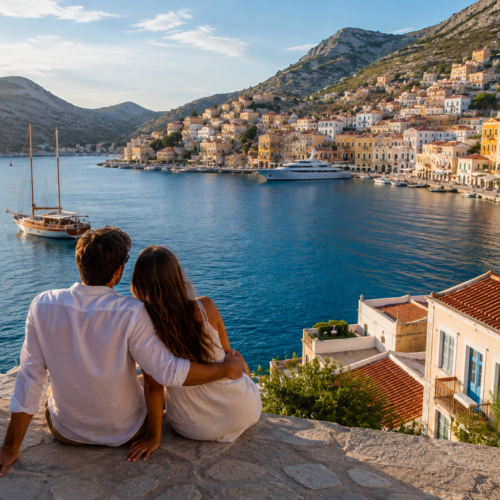
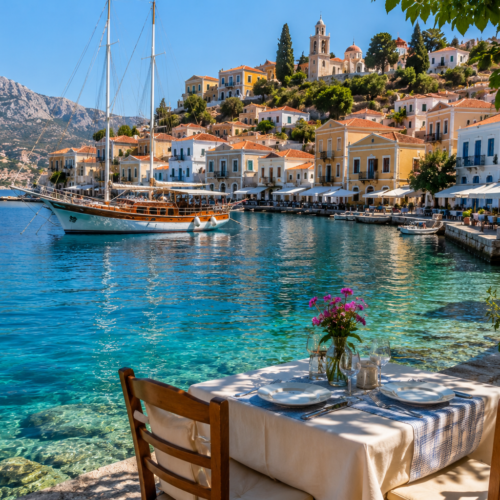
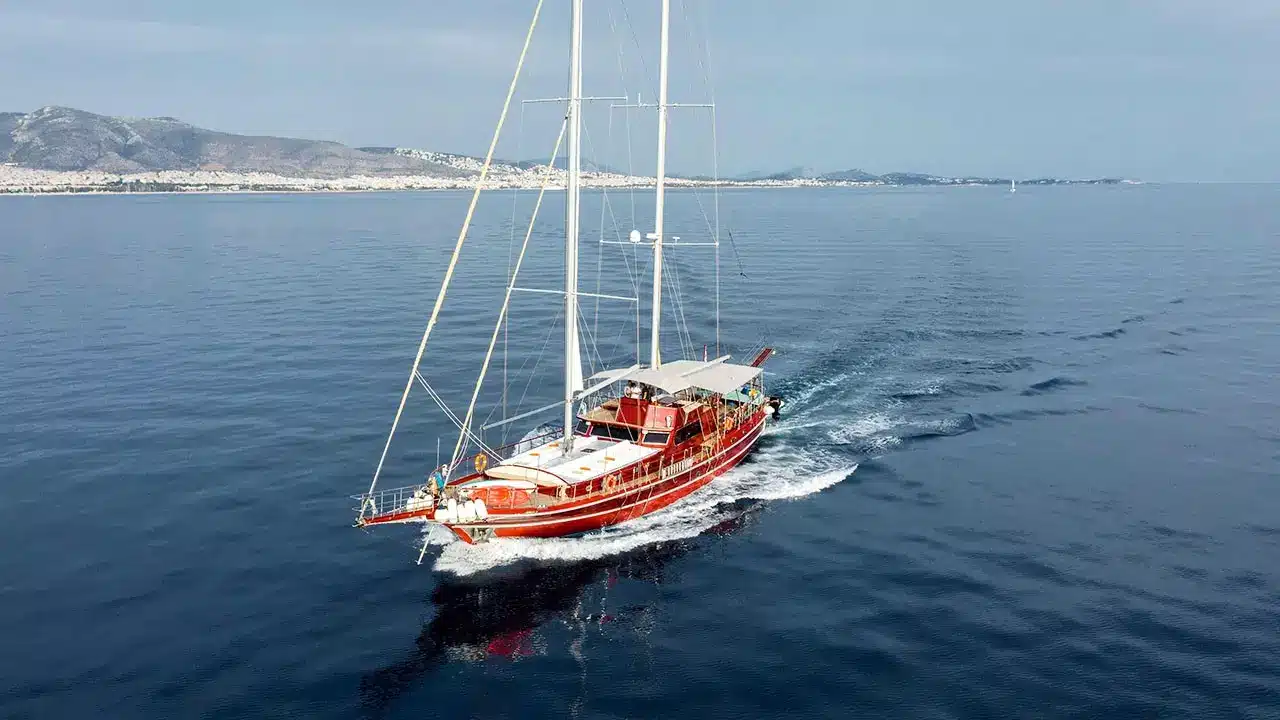
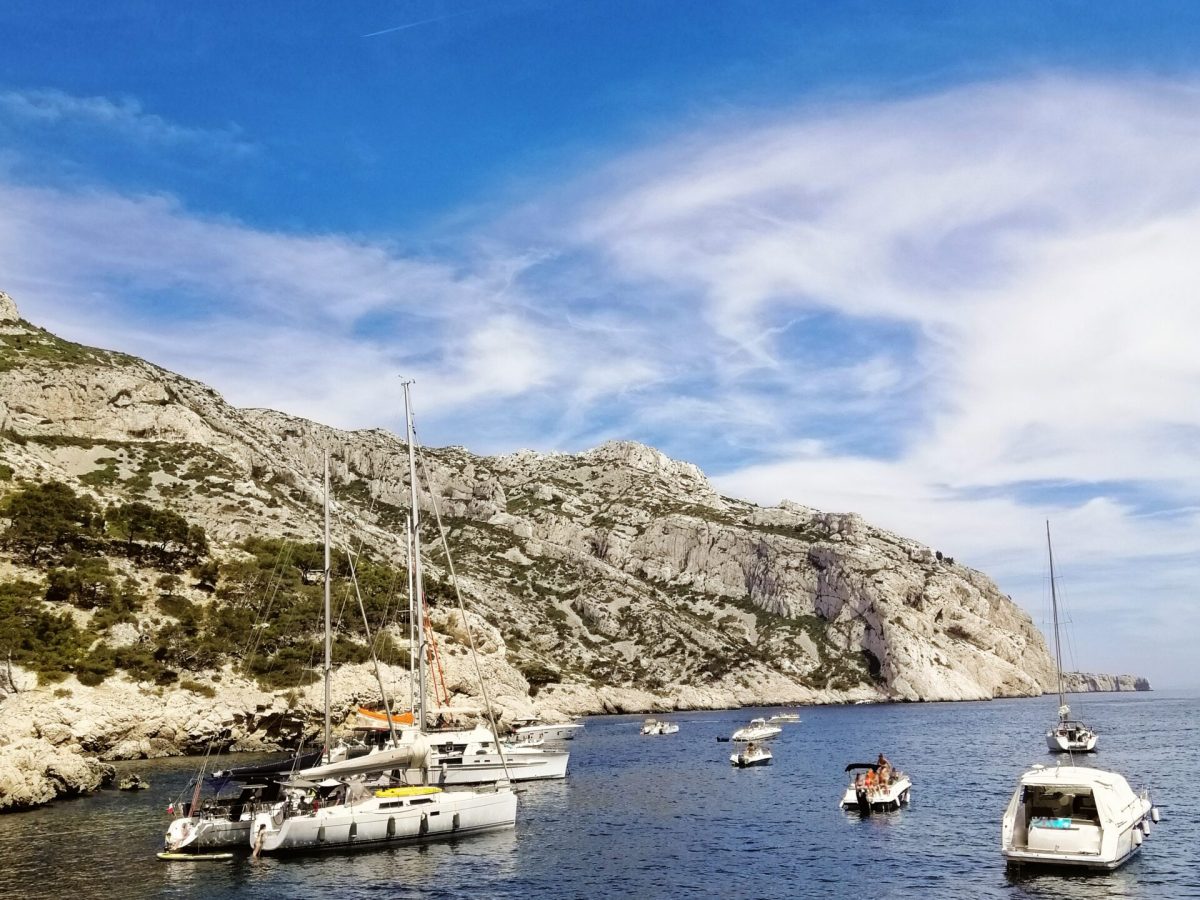
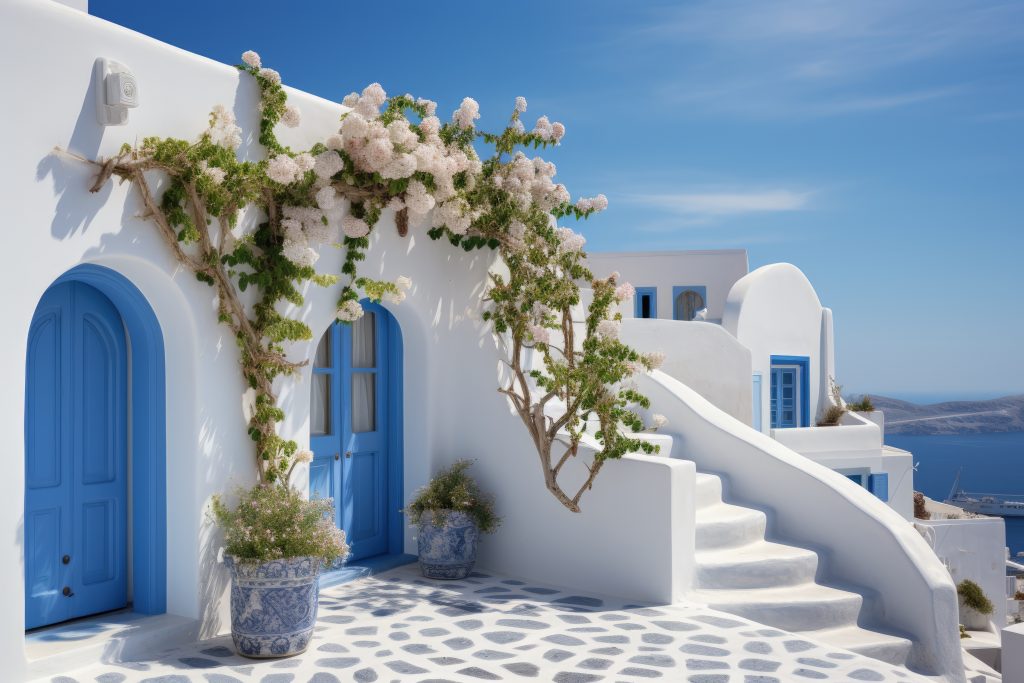
Corfu is Greece’s most popular Ionian island and the main departure point for sailing holidays exploring the Northern Ionian Islands. The island combines a UNESCO World Heritage-listed Old Town with some of the Ionian Sea’s most sheltered anchorages, clear turquoise waters, and lush green landscapes that set it apart from the typical dry, rocky Greek island aesthetic.
Why Corfu?

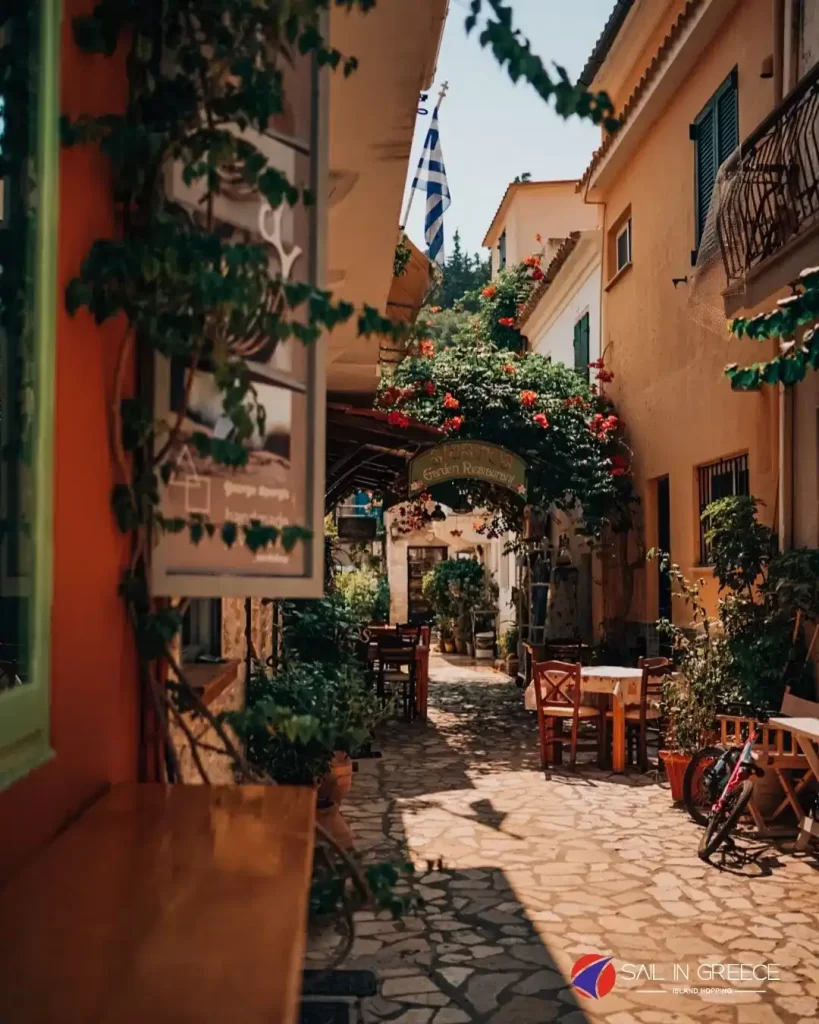
Corfu has been a favorite destination for travelers for centuries, and it’s easy to see why. The island sits at the crossroads of Italian, Venetian, French, and British influences, giving it a character unlike anywhere else in Greece. Elegant architecture, tree-lined boulevards, and a relaxed Mediterranean pace of life make it feel more like a slice of the Adriatic than a typical Greek island.

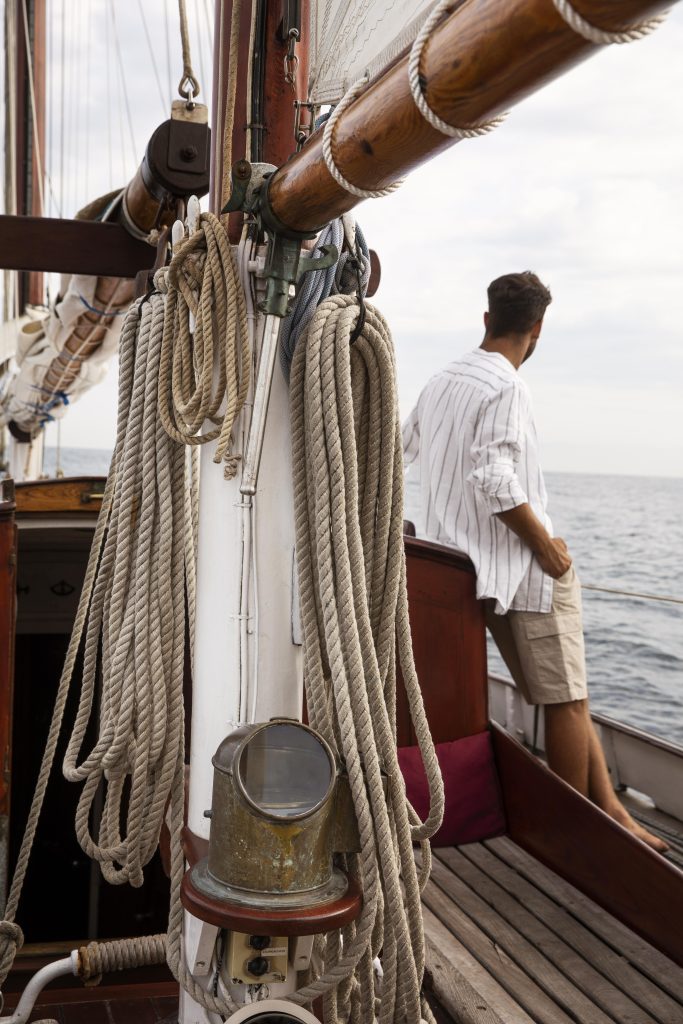
For sailors, Corfu is the natural starting point for a very simple reason: geography. The island sits at the top of the Ionian Sea, close to mainland Greece and within easy striking distance of Paxos, Antipaxos, and the mainland coastline around Sivota and Parga. This means charter fleets are well established here, marina infrastructure is reliable, and the sailing routes fan out in almost every direction without requiring long overnight passages.

What makes Corfu different from the Cyclades or the Dodecanese is its landscape. Instead of whitewashed villages on bare, sun-baked hillsides, Corfu is green year-round. Olive groves, cypress trees, and dense forest run right down to the shoreline, and the water along the east coast is famously calm, sheltered by the mainland just across the strait. It’s a gentler, more forgiving cruising ground, which is one reason it attracts both experienced skippers and first-time charterers.

Corfu Old Town

Corfu Town, the island’s capital, is a UNESCO World Heritage Site, and walking through it feels like stepping into a different country entirely. The town was shaped by more than four centuries of Venetian rule, followed by periods of French and British administration, and each left its mark on the architecture, street layout, and local customs.

The Venetian old quarter is a maze of narrow lanes, known locally as kantounia, lined with tall shuttered buildings, hidden courtyards, and laundry strung between balconies. It’s a wonderful place to wander without a fixed plan, since almost every turn reveals a quiet church, a small square, or a view down to the sea.

Dominating the eastern side of town is the Old Fortress, a Venetian-built stronghold set on a rocky promontory that has guarded the town for centuries. Climbing to the top rewards you with sweeping views over the town, the marina, and across the strait to the Albanian coastline. The nearby Spianada, one of the largest squares in the Balkans, is bordered by the arcaded Liston, built in the style of Parisian arcades and lined with cafes.

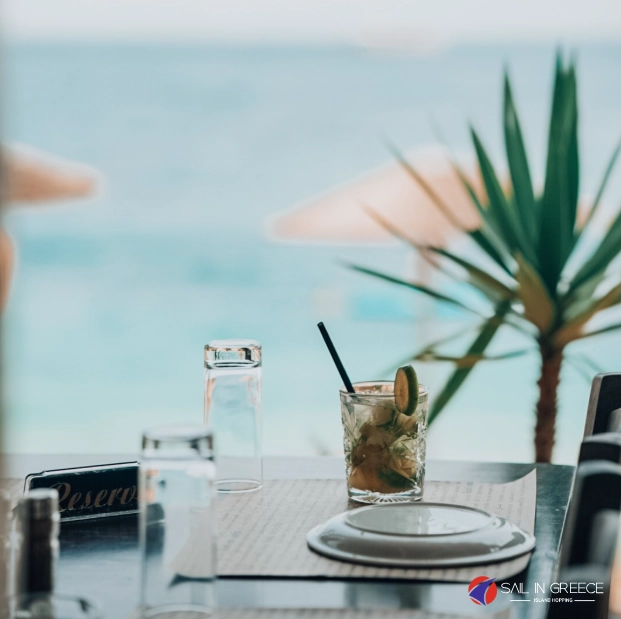
Speaking of cafes, Corfu Town has a genuine coffee culture. Sitting under the Liston’s arches with a coffee and watching cricket on the Spianada (a leftover tradition from British rule) is one of the town’s small pleasures. For shopping, the streets around Nikiforou Theotoki and the market lanes are packed with everything from local olive oil, kumquat liqueur, and handmade sandals to jewelry, ceramics, and boutique fashion. It’s an easy town to lose an afternoon in before or after a day out on the water.

Best Anchorages & Swimming Spots

Vidos Island Just a short hop from Corfu Town’s harbor, Vidos is a small, forested island that makes an excellent first anchorage or a quiet spot to cool off before heading further afield. It’s sheltered, close enough for a quick overnight stop, and offers calm, clear water for swimming with the skyline of Corfu Town visible in the background.

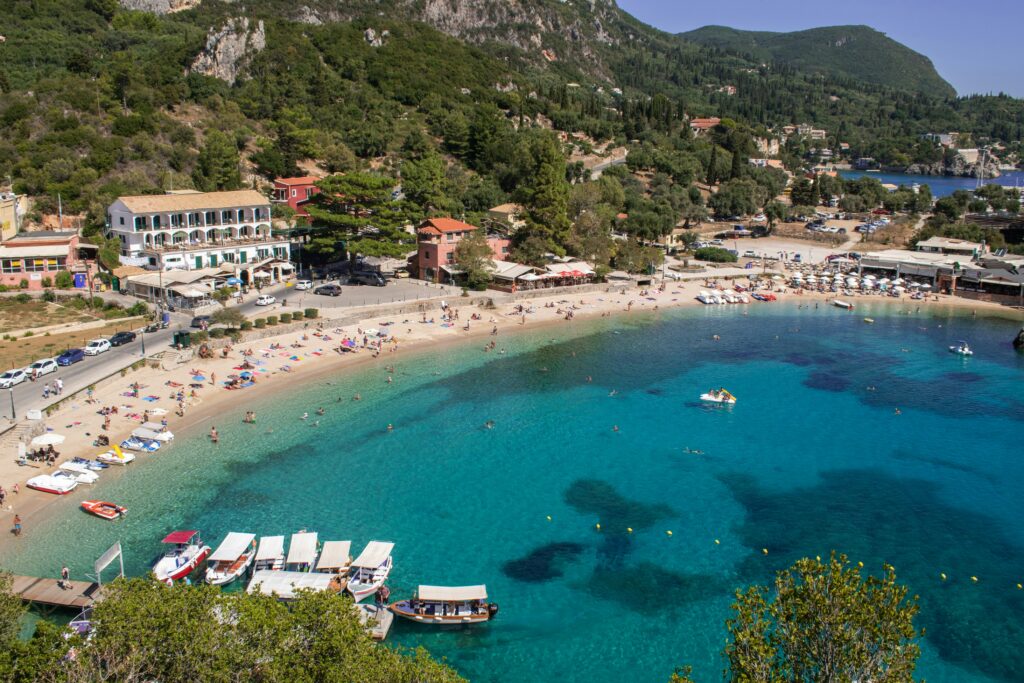
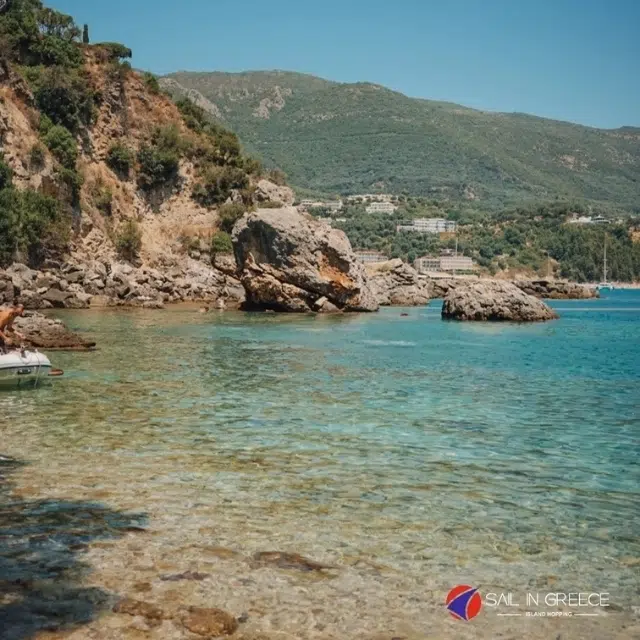
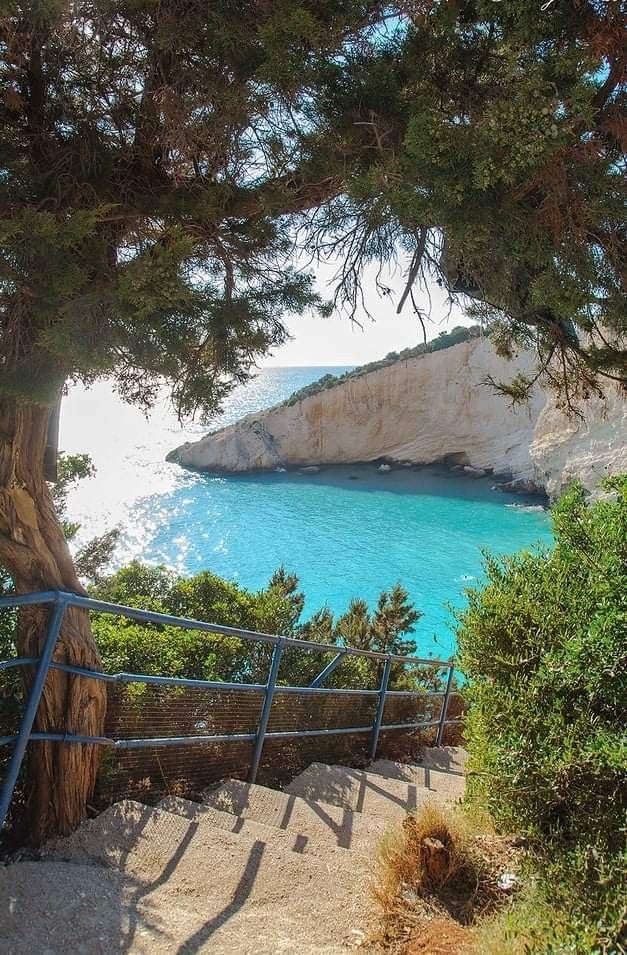
Paleokastritsa On the island’s west coast, Paleokastritsa is often described as one of the most beautiful bays in Greece. A series of small coves cut into dramatic cliffs, with sea caves to explore by dinghy or kayak and water so clear it looks almost artificial. The bay is more exposed to the meltemi and westerly swell than the sheltered east coast, so it’s best visited in settled conditions, but the scenery makes it worth the detour.

Nissaki On the northeast coast, Nissaki is a peaceful anchorage backed by steep, green hillsides and olive terraces. It’s more sheltered than the west coast spots and popular for its clear water and relaxed taverna scene right on the pebble beach. It’s a good stop for swimming and a slower pace, especially in the early or late season when the anchorage is quieter.

Each of these spots offers something different: Vidos for convenience and calm water close to town, Paleokastritsa for dramatic scenery and adventure, and Nissaki for a laid-back, sheltered stop along the greener northeast coast.

Sailing From Corfu

One of the biggest advantages of joining an Ionian cruise from Corfu is the range of destinations reachable within a short sail.. Heading south along the coast, sailors can reach the mainland town of Sivota, tucked into a well-protected bay on the Greek mainland, known for its lively harborside restaurants and calm anchorage.

Further south again are Paxos and Antipaxos, two of the most photographed islands in the Ionian. Paxos is about 2.5 hours away by boat from Corfu, making it a comfortable day sail or the first overnight stop of a longer itinerary. The island’s main harbor towns, Gaios, Lakka, and Longos, are full of character, with pastel buildings, waterfront tavernas, and sheltered anchorages.

Just south of Paxos, tiny Antipaxos is famous for two beaches, Voutoumi and Vrika, with turquoise water that rivals anywhere in the Caribbean. It has no real town to speak of, just a scattering of seasonal tavernas, which makes it feel wonderfully untouched compared to busier islands.

Together, Corfu, Sivota, Paxos, and Antipaxos form a classic Northern Ionian sailing route: short hops, sheltered water, and a mix of lively harbor towns and quiet, beautiful anchorages.

Corfu is one of the best destinations for island hopping, with easy access to Paxos, Antipaxos, and Sivota.

Corfu Old Port

Corfu’s Old Port sits right at the edge of Corfu Town and is the main departure point for charter yachts, ferries, and cruise ships alike. For sailors starting a charter here, check-in is usually straightforward: most charter companies operate from bases either directly at the Old Port or a short drive away, and briefings typically cover the boat, safety equipment, and local sailing conditions before handover.

Parking near the Old Port is available but can fill up quickly in peak season, so it’s worth arriving with some buffer time, especially if you’re bringing a car full of provisions or luggage. For those flying in, a taxi from Corfu International Airport to the Old Port takes only about 10–15 minutes, making it one of the more convenient charter starting points in Greece, since there’s no need for a long transfer after a flight.

The Old Port is also a major departure point for cruise ships and inter-island ferries, so expect some traffic and activity around the harbor, particularly during the morning and early evening. It’s a working port as much as a charter base, which adds to the atmosphere but also means it pays to keep an eye on larger vessel movements when maneuvering in and out.

Best Restaurants & Bars

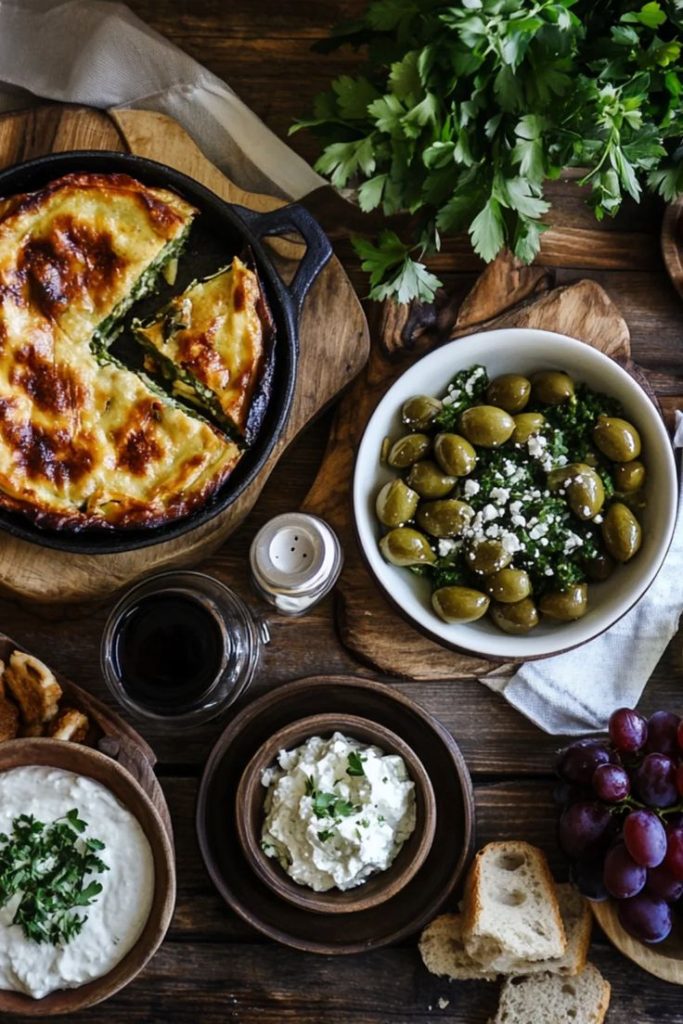
Corfu Town has no shortage of good places to eat and drink before or after a day on the water. For a classic taverna experience, head into the old quarter for traditional Corfiot dishes like sofrito, pastitsada, and bourdeto, all specialties that reflect the island’s Venetian-influenced cuisine.

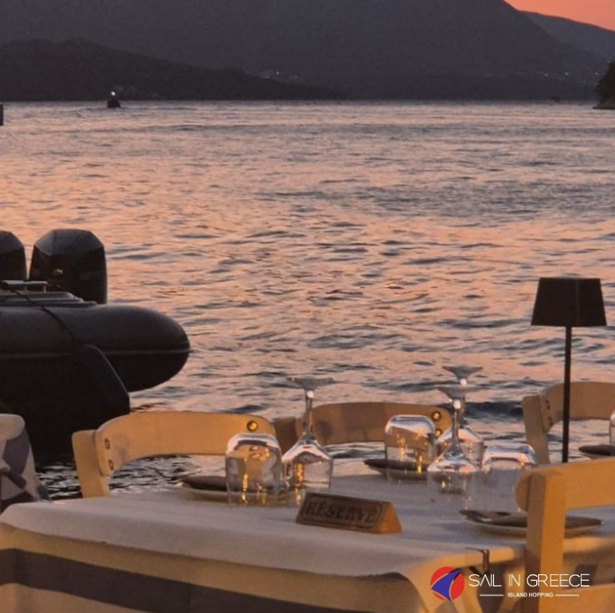
Around the Liston, the cafes are ideal for a relaxed coffee or an evening drink while people-watching on the Spianada. For something closer to the water, the streets near the Old Port and the Old Fortress have several seafood tavernas serving fresh catch with harbor views. In the evening, the old town’s narrow streets come alive with small wine bars and cocktail spots tucked into converted historic buildings, offering a more low-key alternative to the busier tourist strips found elsewhere on the island.

Weather & Best Time

Corfu enjoys a Mediterranean climate with mild winters and warm, dry summers, but sailing conditions vary noticeably by season.

Spring (April-May) brings mild temperatures, green landscapes at their most lush, and generally light and manageable winds, making it a pleasant time to sail before the summer crowds arrive.

Summer (June-August) is peak season, with hot, sunny days and the most reliable winds for sailing, though the west coast can see stronger afternoon breezes. This is also when the island, marinas, and popular anchorages are at their busiest.

Autumn (September-October) offers warm sea temperatures, thinner crowds, and generally settled weather, making it a favorite among experienced sailors looking for a quieter cruising experience.

Overall, the best sailing conditions in the Northern Ionian tend to fall in June, July, September, and early October, when winds are consistent but not extreme, and daytime temperatures are comfortable both on and off the water.

If you’re wondering about the best time to sail Greece, Corfu offers excellent conditions from June to early October.

Practical Information

Fuel stations: Fuel docks are available at the main marinas around Corfu Town and at some larger harbors along the coast, though it’s wise to top up whenever convenient rather than waiting until the tank runs low, since not every anchorage has fuel access.

Grocery stores: Corfu Town has supermarkets and smaller grocery shops within easy walking distance of the Old Port, making it simple to stock up before setting off. Smaller villages along the coast typically have at least a mini-market for basics.

Marinas: Corfu offers several marina options, including facilities at the Old Port area and nearby Gouvia Marina, one of the larger marinas in the region with extensive berthing and services for charter yachts.

Provision shopping: For a proper provisioning run, the markets and supermarkets in Corfu Town are the best option, offering fresh produce, local olive oil, wine, and bakery items. Once underway, smaller harbor towns like Gaios on Paxos or Sivota also have grocery stores for topping up.

FAQs

Is Corfu good for sailing? Yes. Corfu combines sheltered anchorages, a well-developed charter base, and short sailing distances to nearby islands and the mainland, making it one of the most popular and accessible starting points for a Greek sailing holiday.

When is the best time to sail from Corfu? June, July, September, and early October generally offer the best balance of settled weather, comfortable temperatures, and reliable sailing conditions.

How far is Paxos from Corfu? Paxos is about 2.5 hours away by boat from Corfu, making it an easy day sail or the first stop on a longer island-hopping itinerary.

Where do cruises and charters leave from? Corfu’s Old Port, right next to Corfu Town, is the main departure point for charter yachts, ferries, and cruise ships.

Is Corfu suitable for beginners? Yes. The east coast in particular offers sheltered, calm water and short hops between anchorages, making it a forgiving cruising ground for less experienced sailors, while more experienced crews can venture to exposed spots like Paleokastritsa in settled weather.


How to Visit Greek Islands Without the Crowds in 2026

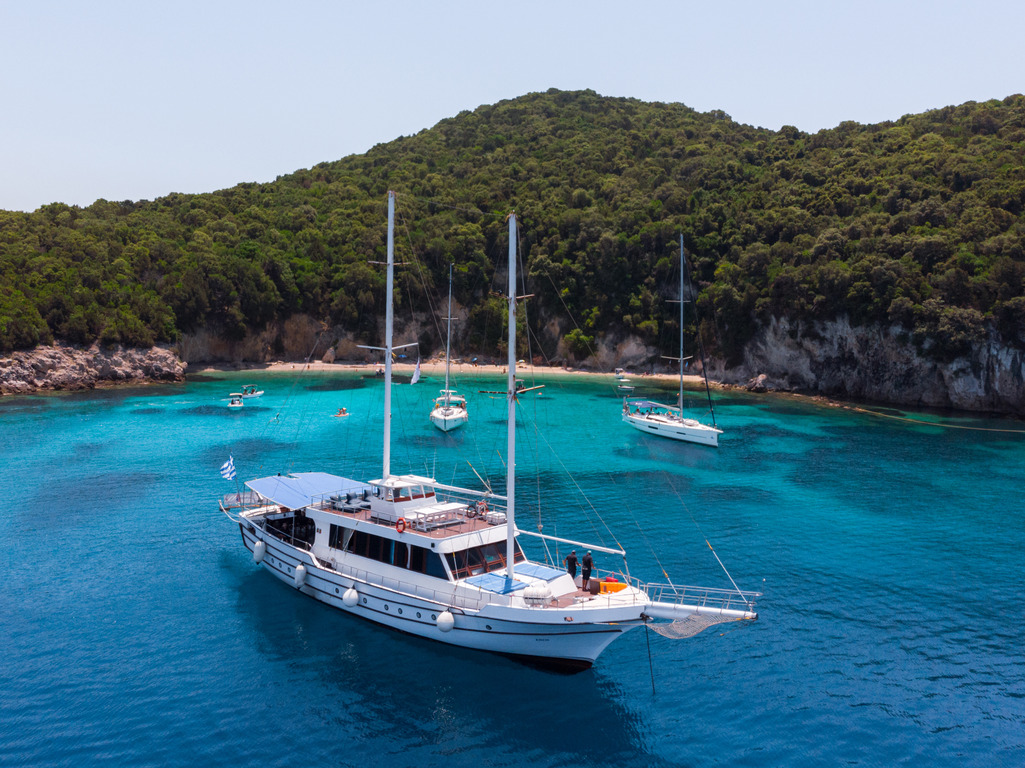
Aerial view of a turquoise bay with a white sailboat anchored near a rocky, pine-covered shoreline.

In 2026, Greece implemented daily visitor caps of 8,000 people on Santorini and introduced strict limits on mega-cruise ship arrivals in Mykonos. For travellers wanting to see these iconic islands authentically – without queuing for three hours to see a sunset – the answer is arriving by private sailing boat. A gulet cruise lets you anchor in the same bays as the superyachts, visit islands that commercial ferries never reach, and experience Greece the way it was 30 years ago.

Why Greece Is Capping Visitors in 2026

For years, Greece’s tourism boom looked like an unqualified success story. Arrival numbers climbed every season, hotel occupancy hit record highs, and islands that were once sleepy fishing communities became global travel brands. But by the mid-2020s, the strain on infrastructure, water supplies, and local life had become impossible to ignore.

Santorini, in particular, became the poster child for overtourism. On peak summer days, more than 17,000 cruise passengers were disembarking onto an island with a permanent population of roughly 15,000 people. Streets in Oia and Fira turned into slow-moving human traffic jams by mid-morning, and the famous caldera-view sunset spots required arriving hours early just to find standing room.

In response, Greek authorities introduced a daily cap of 8,000 cruise visitors to Santorini in 2026, alongside new restrictions on the number of mega-ships permitted to dock in Mykonos on any given day. Local municipalities have also tightened rules around short-term rentals, beach club expansion, and vehicle access in historic centres. The goal isn’t to discourage tourism altogether – Greece’s economy depends heavily on it – but to protect the character of the islands and the quality of life for residents, while making the visitor experience more sustainable in the long run.

For independent travellers, this shift creates a new reality. Turning up in high season without a plan now means competing for a shrinking pool of walk-in availability, particularly on the islands everyone has heard of. The islands themselves haven’t become less beautiful – if anything, the caps are protecting what makes them special. But the way people access them needs to change.

The Problem With Visiting Santorini and Mykonos in 2026

Even with visitor caps in place, Santorini and Mykonos in peak season remain two of the busiest patches of coastline in the Mediterranean. The caps limit cruise arrivals, but they do very little to reduce the sheer volume of people already staying on the islands via hotels, ferries, and short-term rentals.

The practical problems for travellers haven’t disappeared – they’ve just shifted shape:

  • Restricted spontaneity. With daily arrival limits, popular excursions, boat tours, and even restaurant tables need to be booked well in advance. Turning up and figuring it out as you go is far less realistic than it used to be.
  • Concentrated crowds in a smaller footprint. Santorini is a small island. Even 8,000 capped daily arrivals, combined with existing hotel guests, still creates dense crowds around the caldera towns, the same handful of beaches, and the sunset viewpoints everyone photographs.
  • Rising prices. Reduced supply against strong demand pushes prices upward – for accommodation, excursions, and even simple things like a table for dinner with a view.
  • A homogenised experience. Much of what visitors see on Santorini and Mykonos today is built around tourism itself: souvenir shops, infinity pools, and photo-ready cafés, rather than the fishing villages and working ports these islands once were.

None of this means Santorini and Mykonos aren’t worth visiting – they absolutely are. But seeing them exclusively by staying on land, and trying to squeeze both into a single land-based itinerary, increasingly means spending a significant part of your holiday managing logistics rather than enjoying the islands.

How a Sailing Holiday Changes Everything

A gulet cruise solves the crowding problem in a way that no amount of clever land-based planning can. Instead of basing yourself in one town and taking day trips out, you bring your accommodation with you – a traditional wooden sailing boat that moves between islands, anchoring in bays and harbours that are simply inaccessible to the coach tours and cruise ship crowds.

The difference comes down to a few key advantages:

You control your own schedule. Rather than being tied to ferry timetables or excursion departure times, a private gulet moves at the pace your group sets. If a bay is busy, you sail on to the next one. If you find somewhere beautiful and quiet, you simply stay longer.

You reach places ferries don’t go. Commercial ferry routes connect major ports because that’s where the passenger volume is. Countless smaller islands, secluded coves, and quiet anchorages across the Aegean and Ionian have little or no ferry service at all – but they’re easily reached by sailing boat.

You see Santorini and Mykonos differently. Rather than arriving by ferry into the main port and joining the crowds on foot, a sailing itinerary can approach these islands by sea, anchor away from the main harbour, and visit at times of day when the day-trippers have gone home. You get the caldera views and whitewashed villages, minus the three-hour queue for a sunset photo.

Every day brings a new anchorage. Instead of one island for your whole trip, a week-long cruise typically visits five or more islands, so the crowding problem is spread out rather than concentrated. If one spot feels busier than expected, it’s simply part of a longer journey rather than the whole holiday.

It’s how Greece used to feel. Long before mass tourism, this coastline was explored by boat – fishermen, traders, and early travellers moved between islands by sea. A gulet cruise reconnects you with that older rhythm: swimming from the deck in clear water, eating fresh fish in tiny harbour tavernas, and waking up somewhere new.

5 Greek Islands You Can Only Reach by Boat

Beyond the household names, Greece has thousands of islands and islets, and many of the most beautiful are only practically accessible by private boat. Here are five worth seeking out on a sailing itinerary.

  1. Polyaigos. Uninhabited and largely untouched, this small island near Milos has no ferry service and no permanent population – just dramatic cliffs, sea caves, and turquoise water that few travellers ever see.
  2. Koufonisia’s hidden coves. While the main village of Koufonisia does get a ferry, the island’s best swimming spots – tiny coves with sculpted rock formations and impossibly clear water – are tucked along a coastline that’s far easier to reach by boat than on foot.
  3. Marathi. A tiny islet in the Dodecanese with a handful of residents and a couple of family-run tavernas, Marathi is the kind of place where a gulet can anchor for lunch and you’ll barely see another visitor.
  4. Paximada. Off the coast of Crete, this rocky islet has no infrastructure at all, but it’s a haven for wildlife and a striking, peaceful stop for swimming and snorkelling.
  5. Sikinos. Often overlooked in favour of its neighbour Santorini, Sikinos has limited ferry connections, a slower pace of life, and Byzantine ruins with almost no other tourists in sight.

These are the kinds of stops that transform a Greek island holiday – not replacing the icons, but adding the contrast of true seclusion alongside them.

Our Crowd-Free Greece Sailing Routes

At Sail in Greece, our cruises are built around exactly this idea: combining the islands people come to Greece to see with the quieter anchorages that only a private gulet can reach.

Our Ionian Cruises explore the calmer, greener side of Greece – think Kefalonia, Ithaca, and Zante – where pine-covered hills meet turquoise bays, and the pace of island life feels noticeably slower than in the Aegean.

Our Zante Cruises focus on the beaches and sea caves of Zakynthos and its surrounding islets, including spots that are effectively unreachable except by boat, away from the beach-club crowds.

Our Rhodes Cruises combine the medieval old town of Rhodes with a chain of Dodecanese islands and hidden coves that most travellers never make it to.

For those wanting a livelier social atmosphere, our 18-39s Cruises and Mykonos Cruises blend the buzz of nightlife stops with plenty of swimming and quieter anchorages in between – so you get the party without spending your whole trip fighting crowds.

Our Harmony Cruises strike a balance between sightseeing, relaxation, and a touch of nightlife, ideal for groups with mixed priorities.

And for travellers who want full flexibility, our Yacht Experiences let you charter privately and shape the entire itinerary – including which crowded ports to skip entirely.

Every itinerary is built around a fleet of traditional wooden gulets, ranging from smaller Standard boats for intimate groups up to larger Luxury vessels for bigger parties, so the experience can be tailored to the group size and style of trip you’re after.

Practical Tips for Avoiding the Crowds in 2026

If you’re planning a Greek island trip this year, a few practical adjustments can make a significant difference to how crowded your experience feels.

Book well ahead, especially for July and August. With visitor caps in place on the busiest islands, availability for accommodation, excursions, and boat charters is tighter than in previous years. Early booking isn’t just about price – it’s about securing a spot at all.

Consider shoulder season. Late May, June, and September offer warm weather and calmer seas, with a fraction of the visitor numbers of peak summer. Many sailing routes are just as enjoyable, if not more so, outside the July-August peak.

Visit famous islands by sea, not by ferry. Arriving at Santorini or Mykonos by private boat, and anchoring away from the main port, avoids much of the disembarkation bottleneck that ferry and cruise passengers face.

Prioritise time on the water over time in town. The most memorable parts of a Greek island trip are often swimming in a quiet bay or watching the sunset from a boat deck – not standing in a crowd. Build your itinerary around these moments rather than ticking off towns.

Choose a smaller vessel and group size if you want more flexibility. Larger charter groups sometimes need to plan further ahead for anchorages and dinner reservations; smaller groups can be more spontaneous.

Pack light and pack smart. Space on a gulet is more limited than in a hotel room. A soft-sided bag, reef-safe sunscreen, and swimwear that dries quickly will serve you far better than a hard suitcase full of resort wear.

Talk to your operator about the current visitor caps. Rules can shift during the season, and an experienced local operator will know which anchorages and ports are quietest on any given week.

Frequently Asked Questions

Do the 2026 visitor caps mean I can’t visit Santorini or Mykonos this year? No. The caps limit the number of cruise ship passengers allowed to disembark each day; they don’t prevent independent travellers, including those arriving by private sailing boat, from visiting. Booking ahead and choosing quieter arrival times still gives you full access to both islands.

Is a gulet cruise suitable for people who aren’t experienced sailors? Yes. Gulets are crewed by an experienced captain and crew who handle all the navigation and sailing, so guests can simply relax, swim, and enjoy the itinerary without any sailing experience required.

How many islands do you typically visit on a one-week cruise? Most one-week itineraries call at five to seven islands and anchorages, combining well-known destinations with quieter bays and villages that aren’t accessible by regular ferry services.

When is the best time to book a Greece sailing holiday in 2026 to avoid crowds? Late May, June, and September tend to offer the best balance of good weather and lower visitor numbers, though July and August remain popular for those who don’t mind booking further in advance to secure availability.

What’s It Really Like on a Gulet Cruise in Greece?

A gulet cruise in Greece is one of those travel experiences that’s almost impossible to explain without having done it. It’s part sailing adventure, part beach holiday, part social experiment – and entirely unlike any other way of exploring the Greek islands. Here’s what a week on board is actually like, from the moment you step on deck to the bittersweet Saturday morning goodbye.

What Is a Gulet?

Before I did this trip, I genuinely didn’t know what a gulet was. I pictured something between a yacht and a pirate ship, and honestly, that’s not far off. A gulet is a traditional wooden sailing vessel, originally built by Turkish and Greek boat builders for fishing and cargo, that’s since been converted into a comfortable (if compact) cruising boat. Think wide wooden decks, a shaded dining area, sun loungers up top, and a handful of cabins tucked below.

Unlike a big cruise ship, a gulet usually carries somewhere between 15 and 40 guests, plus a small crew – a captain, a chef, and a couple of deckhands. There’s no theatre, no casino, no ten different restaurants. What you get instead is something much simpler: the sea, a handful of islands, good food, and a group of strangers who become friends faster than you’d expect.

Day 1 – Arriving in Port

I remember standing on the dock with my suitcase, squinting at rows of wooden boats trying to figure out which one was mine. There’s a nervous energy to that first afternoon. You check in, someone shows you to your cabin, and you dump your bags in a space that’s smaller than you imagined but somehow feels exactly right once you’re actually there.

Day one is all about settling in. You meet your cabin mates if you’re travelling solo, you get the safety briefing, and you start clocking faces – the couple from Manchester, the group of friends from Melbourne, the solo traveller who „just needed a break.“ Nobody knows each other yet. By the time the boat pulls away from the harbour, though, that awkwardness starts melting fast. There’s usually a welcome dinner that first night, and it’s the first proper chance to actually talk to the people you’ll be spending the next week with.

A Typical Day at Sea

Ask anyone who’s done a gulet cruise what surprised them most, and most people will say the same thing: how relaxed the routine is. There isn’t really a „typical“ day so much as a rhythm you fall into.

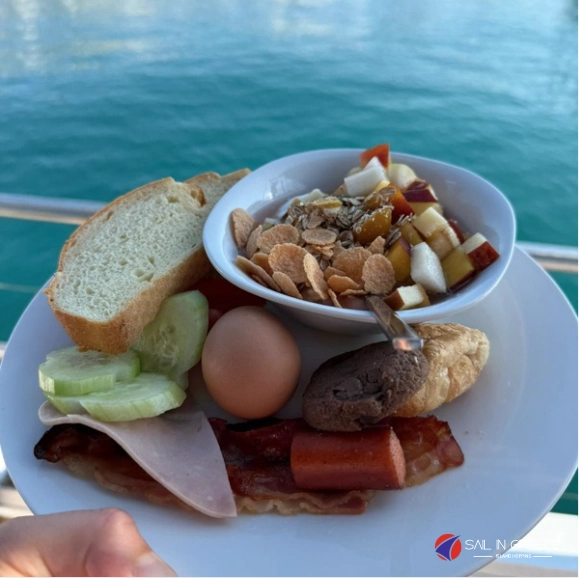
Mornings start early, but not in a bad way. You wake up to the gentle rock of the boat, the smell of coffee drifting up from the galley, and morning breakfast laid out on deck – fresh bread, yoghurt, honey, fruit, maybe some eggs if the chef is feeling generous. Eating breakfast with the sea stretching out in every direction is one of those small pleasures that gets old the least out of everything on the trip.

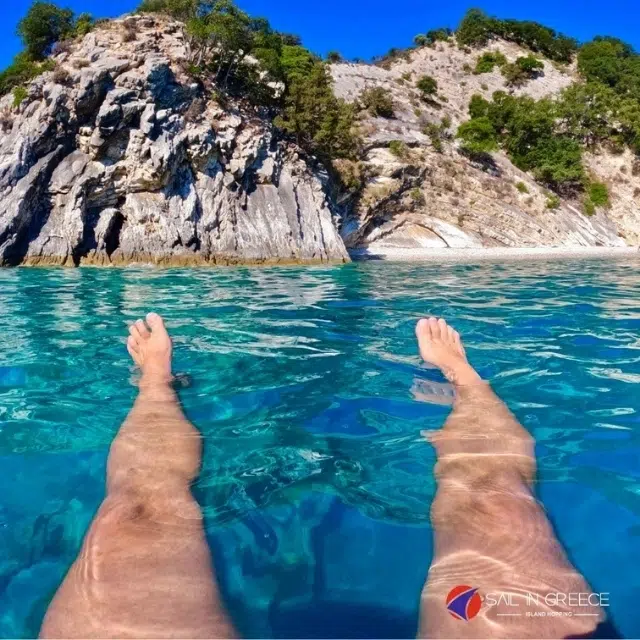
After breakfast, the boat sets sail for the next stop. Most days include at least one, often two, swimming stops in bays that you genuinely can’t reach any other way – no roads, no crowds, just turquoise water and the boat anchored a few metres offshore. One of the standout moments most people talk about is the Blue Lagoon at Sivota, a stretch of impossibly clear water tucked into the Ionian coastline that looks almost artificial, like someone added a filter to real life.

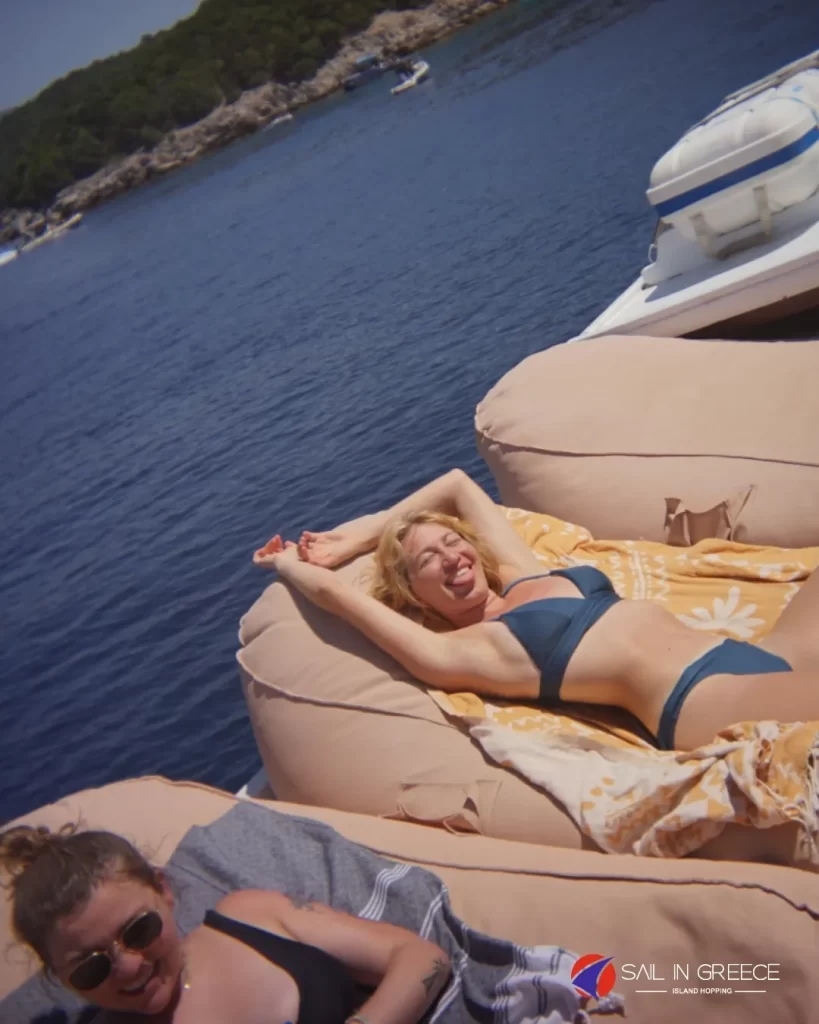
Lunch happens on board, usually after a swim, and then the afternoon is yours – nap on deck, read a book, jump in again, chat with whoever’s around. By late afternoon, the boat is usually pulling into that night’s port.

Evenings in Port

This is where the day shifts gear. Once the boat is docked, you’ve got a few hours before dinner to wander the small island village you’ve pulled into – cobbled streets, tavernas with plastic chairs and unbeatable views, little shops selling sandals and jewellery. Some of these villages barely register on a map, which is exactly the point. You’re not seeing the Greece from the postcards; you’re seeing the Greece that’s still just getting on with its own life.

One evening that stands out on most itineraries is a stop in Plataria, where there’s often an olive oil tasting arranged with a local producer. It sounds like a small thing until you’re actually sitting there dipping bread into oil that was pressed a few kilometres away, listening to someone explain the difference between varieties you never knew existed. It’s the kind of detail that makes the trip feel like more than a beach holiday.

Dinner is either back on the boat or at a taverna in port, depending on the night, and the highlight of the week for a lot of people is the Captain’s Dinner – a slightly dressed-up final evening where the crew puts on a proper spread, and there’s usually a bit of dancing, some toasts, and a lot of photos being taken. It has a bittersweet feel to it, because everyone knows what it means: the trip’s nearly over.

The Food on Board

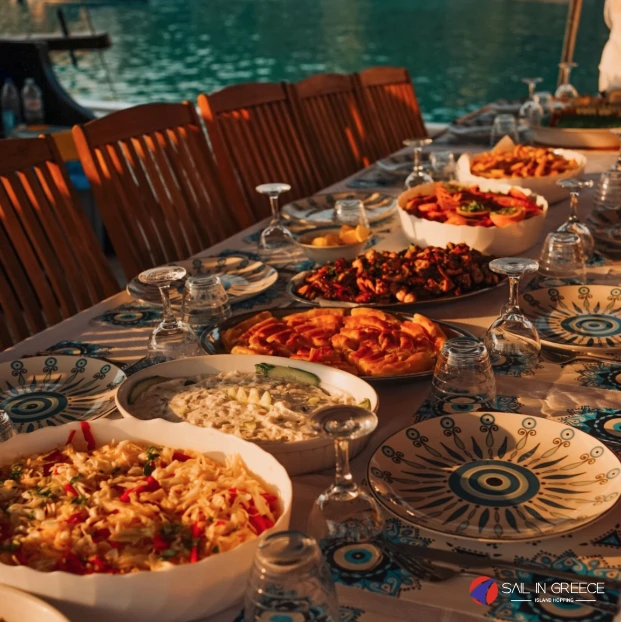
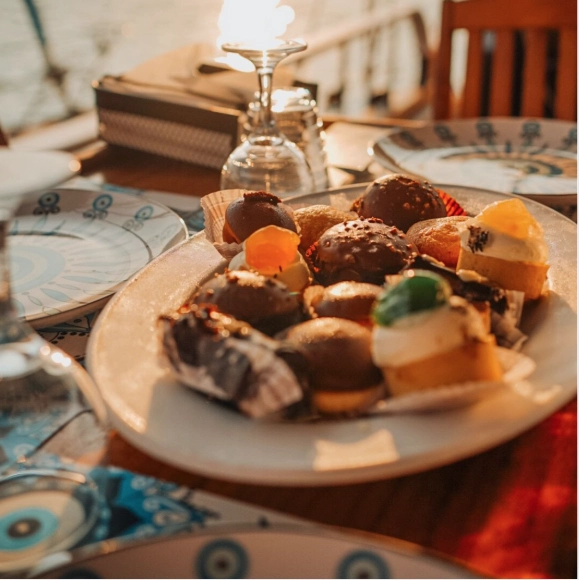
I wasn’t expecting much from boat food, if I’m honest. What actually happens is that most gulets have a chef cooking fresh meals daily, and it’s genuinely one of the better parts of the trip. Breakfast is simple and plentiful. Lunch is usually a spread of Greek dishes – salads, grilled meat or fish, dips, fresh bread – laid out buffet style so you can go back for seconds. Dinners vary more, sometimes on board, sometimes at a taverna ashore.

It’s not fine dining, and nobody’s pretending it is. But there’s something about eating fresh, simple food outdoors, with the sea right there, that makes it taste better than it probably would anywhere else.

The Cabins

Let’s be honest about this bit, because it’s the part people are most curious about and most likely to be surprised by. Cabins on a gulet are small. You’re not getting a hotel room – you’re getting a compact space with a bed, some storage, and usually an ensuite bathroom that doubles as the shower. Air conditioning is often available but sometimes runs on a schedule or costs extra, so nights can get warm, especially in peak summer.

That said, you don’t spend much time in the cabin. Most of the trip happens on deck – eating, chatting, sunbathing, sleeping under the stars if that’s your thing. The cabin is really just where you crash at the end of a long day, and once you accept that, the size stops mattering nearly as much as you’d expect.

The Social Side

Nobody really prepares you for how social this trip is. You’re sharing a boat with strangers for a week, and there’s nowhere to hide from that – which sounds intense, but in practice it’s one of the best parts. Meals are shared, deck space is shared, and conversations start easily because everyone’s in the same boat, quite literally.

By day three or four, you’ve usually got a little crew of your own – people you swim with, sit next to at dinner, stay up late talking to under the stars. It’s not unusual to leave a gulet cruise with a handful of new friends you’re already planning to visit. There’s something about being disconnected from ordinary life, with no phones glued to faces and nothing to do but be present, that speeds up how quickly people connect.

What’s NOT Included

It’s worth being upfront about this, because it changes how you budget for the week. Most gulet cruises include your cabin, meals on board, and the crew’s services, but there are a few things that typically come as extras:

  • Drinks – most boats run a bar tab you settle at the end of the week
  • Air conditioning, on some boats, if you want it running overnight
  • Excursions or activities in port, like guided tours or watersports
  • Tips for the crew, which are appreciated but not mandatory
  • Flights and travel insurance to get you to and from the departure port
  • None of this is hidden or sneaky, but it’s easy to assume a cruise is fully „all-inclusive“ when it isn’t quite. Budgeting an extra amount for drinks and the odd excursion will save you from any surprises.

Is a Gulet Cruise Worth It?

Honestly? For the right kind of traveller, yes. If you want five-star luxury, room service, and total privacy, this probably isn’t it – the cabins are small, the schedule can shift with the weather, and you’re sharing the whole week with a boat full of strangers. But if you want a genuinely different way to see the Greek islands, one that mixes swimming in hidden bays, wandering through small villages, eating good food outdoors, and meeting people from all over the world, it’s hard to think of a better way to do it.

It’s not a passive holiday where things happen around you. It’s one where you’re part of it – helping with a rope now and then, jumping off the side of the boat because someone else just did, staying up later than planned because the conversation’s too good to leave. That’s the part that’s hard to explain until you’ve actually done it.

What guests are saying

„The evenings in each little port were magical – quiet harbours, great food, and stargazing from the deck.“ – Jeremy

„We visited quiet bays for swimming, snorkelled in crystal-clear waters, and explored old ruins. It exceeded all our expectations.“ – Stauroula

„We explored hidden coves, swam in turquoise bays, and enjoyed amazing meals on deck. It was one of the most peaceful trips I’ve taken.“ – Roger

Frequently Asked Questions

How many people are on a typical gulet cruise? It varies by boat, but most gulets carry somewhere between 15 and 40 guests, plus a small crew.

Do I need any sailing experience? No. You’re a guest, not crew. The captain and deckhands handle the sailing – you’re free to relax, though you can always ask to get involved if you’re curious.

Is there Wi-Fi on board? Some boats offer limited Wi-Fi, but signal can be patchy once you’re out at sea. Most guests find it’s actually a nice excuse to switch off for the week.

What should I pack? Light, breathable clothing, swimwear, a hat, reef-safe sunscreen, and a light jacket for cooler evenings. Cabin storage is limited, so a soft duffel bag packs better than a hard suitcase.

Is it suitable for solo travellers? Very much so. The social nature of the trip makes it one of the easier ways to travel alone and still end up surrounded by people by the end of the week.

What happens if the weather turns bad? Captains adjust the itinerary as needed for safety, sometimes swapping stops or delaying a swim. It’s rare for weather to derail a trip entirely, but some flexibility is part of sailing.

When’s the best time to go? Peak summer (July-August) means warm water and lively evenings, but it’s also the busiest and hottest. Late spring and September offer quieter ports and more comfortable temperatures.

Ready to experience it for yourself? Browse our Greece cruise dates for 2026 and 2027 – most summer departures sell out early.

Liebe an Bord

Liebe an Bord:
Warum eine Kreuzfahrt vielleicht die beste Paartherapie ist

Alle reden ständig darüber,
wie man „die Beziehung wieder frisch fühlen lassen“ kann:

Romantische Abendessen zu zweit,
kurze Hotelaufenthalte,
Filmmarathons auf dem Sofa (natürlich mit Essen zum Mitnehmen).

Alles schön… aber was, wenn Sie Ihre Liebesgeschichte aufs Meer hinausführen würden?

Denn das ist der Punkt: Eine Kreuzfahrt ist nicht nur eine weitere Reise.
Sie ist ein riesiger Reset-Knopf für Paare,
die lachen, sich entspannen und sich daran erinnern möchten,
warum sie sich überhaupt entschieden haben, gemeinsam durchs Leben zu segeln.

Urlaub ohne feste Pläne (und ohne Gemecker)

Vergessen Sie die strikten Zeitpläne:
„Um 10 Uhr gehen wir ins Museum, um 12 Uhr shoppen…“

Auf einer Kreuzfahrt sieht der Tagesablauf eher so aus: Aufwachen, wann immer man Lust hat. Ins Wasser springen, wenn es einen ruft. Eine Flasche öffnen… einfach weil man kann.

Und das Beste daran? Niemand beschwert sich, wenn man zu spät ist.
Die einzige Uhr, die hier zählt, ist die Sonne.

Die besten Geschichten beginnen auf See

Denken Sie mal darüber nach: Erinnern Sie sich wirklich an dieses zufällige Hotelwochenende… oder an die Zeit, als Sie versucht haben, sich gegenseitig bei 20 Knoten Wind einzucremen?

Es sind die unbeholfenen, lustigen, unvorhersehbaren Momente, die zu den Geschichten werden, die Sie jahrelang erzählen werden — und die Ihre Bindung noch stärker machen.

Der wahre Luxus: Zeit miteinander

Hier ist das Geheimnis: Der wahre Luxus einer Kreuzfahrt ist nicht die Gulet. Es ist die Tatsache, dass Sie endlich die Zeit und den Raum haben, einfach zusammen zu sein. Zu lachen, zu reden, zu träumen — oder überhaupt nichts zu sagen und einfach den Horizont zu betrachten wie zwei Teenager, die sich wieder verlieben.

Zusammenfassend: Eine Kreuzfahrt ist nicht „nur ein weiterer Urlaub“.
Es ist die glücklichste, lustigste, romantischste und leicht verrückte Art, frische Energie in Ihre Beziehung zu bringen. Denn auf See geht es nicht darum, wer immer Recht hat… sondern darum, wer Sie festhält, wenn der Wind auffrischt.

Ein Vorgeschmack auf die griechische Gastfreundschaft

Ein Vorgeschmack auf griechische Gastfreundschaft

Mahlzeiten & Getränke auf einer Gulet

Bei einer Gulet-Kreuzfahrt gehört das Essen zur Erfahrung dazu. Vom entspannten Frühstück bis hin zu hausgemachten griechischen Gerichten am Meer — jede Mahlzeit hat ihren eigenen besonderen Geschmack.

Welche Mahlzeiten & Getränke kann ich auf einer Gulet-Kreuzfahrt genießen?

Natürlich sind das türkisfarbene Wasser und das langsame Inselhüpfen die Highlights jeder Gulet-Kreuzfahrt — aber wenn Sie frühere Gäste fragen, was sie wirklich überrascht hat, werden viele sagen: das Essen.

Hier ist ein kurzer, ehrlicher Überblick darüber, welche Mahlzeiten und Getränke Sie während der Fahrt erwarten können.
Frühstück: Einfach, frisch & sättigend

Es gibt etwas Besonderes daran, den Tag auf dem Wasser zu beginnen, das das Frühstück zu einem besonderen Erlebnis macht. Die Morgen an Bord sind entspannt, mit einem Buffet, das normalerweise Folgendes umfasst:
  • Frisch gebackenes Brot und Gebäck
  • Eier, Müsli, Aufschnitt, Käse
  • Griechischer Joghurt und saisonales Obst
  • Kaffee, Milch und Saft

Es ist nicht kompliziert — einfach gutes, frisches Essen, um Energie für den Tag zu tanken.
Mittag- & Abendessen: Hausgemachte griechische Aromen

Die Mahlzeiten an Bord konzentrieren sich auf griechische Hausmannskost — frisch, regional und wohltuend. Mittag- und Abendessen folgen oft einem einfachen 3-Gänge-Format:
  • Vorspeisen (wie Käsetaschen oder gefüllte Weinblätter)
  • Frische Salate mit saisonalen Zutaten
  • Hauptgericht (Moussaka, gegrilltes Hähnchen, Pasta — variiert täglich)
  • Leichtes Dessert oder frisches Obst

Die Menüs sind flexibel und werden täglich angepasst, basierend auf den Vorlieben der Gruppe und in Absprache mit dem Kapitän.
Getränke: Einfach & individuell anpassbar

Es gibt drei Hauptoptionen für Getränke an Bord:
  • Bestellen Sie Ihre Lieblingsgetränke im Voraus
  • Bestellen Sie nach Bedarf an der Bordbar
  • Bringen Sie Ihre eigenen Getränke mit (gegen eine kleine Korkgebühr)

Wasser wird zu allen Mahlzeiten kostenlos serviert, zusätzliches Flaschenwasser ist gegen einen kleinen Aufpreis erhältlich.
Einige Dinge, die Sie beachten sollten
  • Die Mahlzeiten sind im Allgemeinen griechischer Art und werden in entspannter Atmosphäre serviert.
  • Es gibt keinen festen Essensplan — die Zeiten werden täglich nach dem Ablauf der Gruppe festgelegt.
  • Essen und Getränke von außen sind nicht erlaubt, es sei denn, es wurde vorher abgesprochen (Korkgebühr fällt an).
Es geht um mehr als nur Essen

Das Essen auf einer Gulet ist ungezwungen und gemeinschaftlich. Es geht darum, Mahlzeiten vor Anker zu teilen, eine ruhige Bucht zu genießen oder den Sonnenuntergang bei einem Glas Wein zu beobachten. Es ist einfach, aber unvergesslich — genau wie der Rest der Reise.

Ein Tag auf einer Gulet

Von Ouzo zur Meeresbrise:
Ein Tag auf einer Gulet beim Segeln in Griechenland


Eine Reise durch Griechenland ist mehr als nur ein Urlaub.

Es ist eine Reise voller Erfahrungen, Düfte, Geschmäcker
und unvergesslicher Aktivitäten.

Und genau das wirst du erleben, wenn du mit einer der Gulets von Sail in Greece segelst.

Neugierig, wie ein Tag auf einer Gulet aussieht?

Lies weiter:

• Dein Tag beginnt, wenn du aufwachst und an Deck trittst, bereit, die nächste Insel zu entdecken.
• Ein reichhaltiges Frühstücksbuffet wartet auf dich, gefüllt mit einer großen Auswahl an köstlichen Optionen.

• Im Laufe des Tages, wenn du eine neue Insel erreichst, kannst du direkt vom Boot in das kristallklare blaue Wasser springen.
• Während die Crew ein traditionelles griechisches Mittagsbuffet vorbereitet, kannst du deinen Lieblings-Regional-Schnaps genießen — ein Glas Ouzo.
Anis und griechisches Schweine-Souvlaki — immer eine perfekte Kombination.

• Später am Tag legt die Gulet in einem nahegelegenen Hafen an, und du kannst die engen Gassen erkunden, umgeben von Bougainvillea und dem Duft des Sommers.
Natürlich warten die lokalen Tavernen auf dich, bereit, köstliche traditionelle Gerichte zu servieren.

• Nachts kehrst du zur Gulet zurück, um die kühle Inselbrise zu genießen.
Du kannst an Deck schlafen, den Sonnenaufgang beobachten oder einfach die Magie dessen erleben, was wir den „Griechischen Sommer“ nennen.

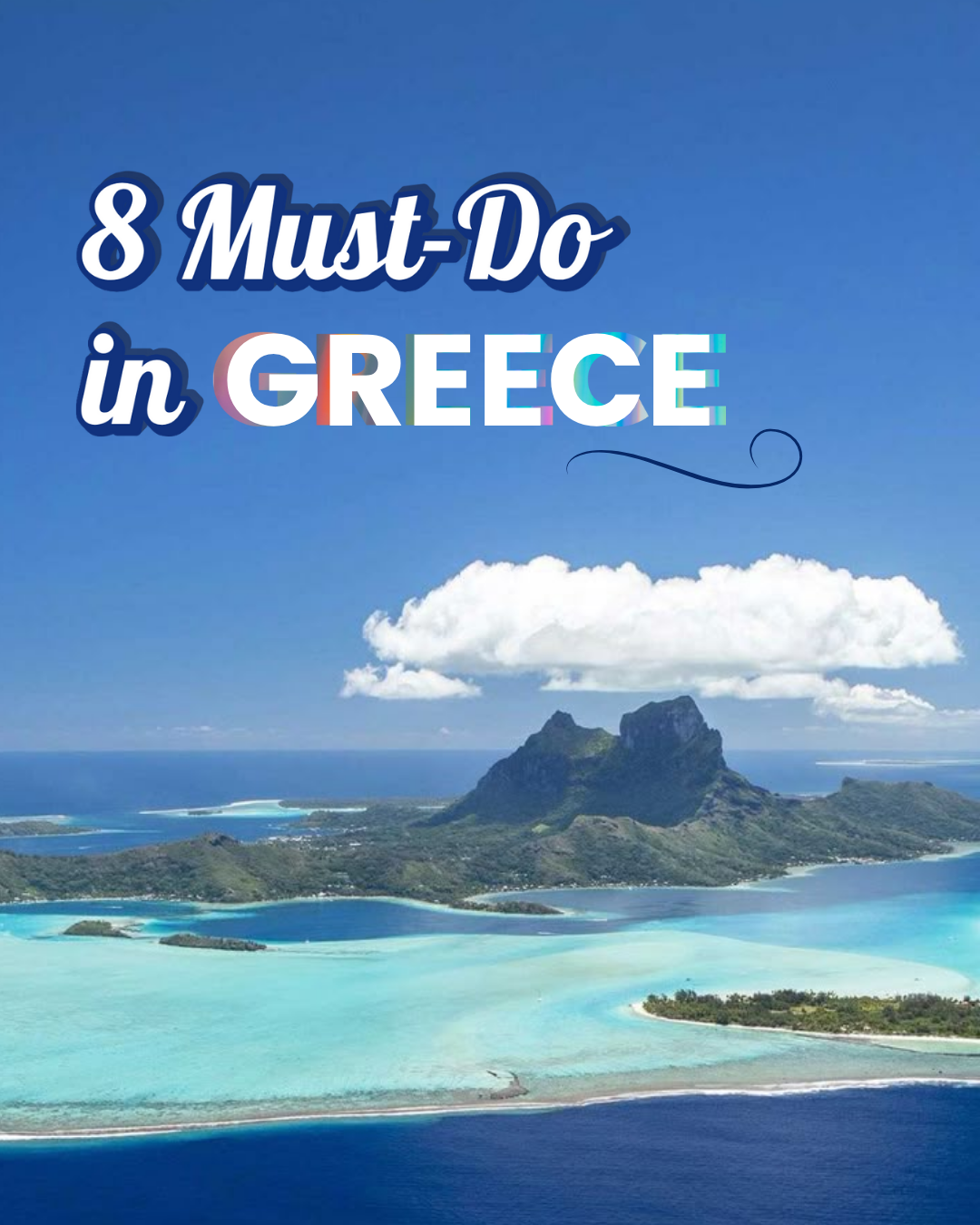
8 Must-Do in Greece

Greece is a treasure trove of history, culture, and natural beauty, making it one of the most desirable travel destinations in the world. Whether you’re a history buff, a beach lover, or a foodie, this Mediterranean gem offers something for everyone. If you’re planning your 2025 Greek getaway, here are the top must-do experiences to include on your itinerary.

1.  Visit the Best Beaches in Greece


Greece is synonymous with pristine beaches and crystal-clear waters. Here are some of the most stunning beaches you shouldn’t miss:

  • Navagio Beach (Zakynthos) – Famous for the shipwreck and dramatic cliffs.

  • Palaiokastritsa Beach (Crete) – Known for its pink sand and turquoise waters.

  • Myrtos Beach (Kefalonia) – A spectacular beach surrounded by steep cliffs.

  • Porto Katsiki Beach (Lefkada) – Offers a blend of golden sand and crystal waters.

  • Saint Paul’s Bay (Rhodes) – A lunar-like landscape with white volcanic rock formations.

These iconic beaches are accessible on our curated Greek island cruises:

Each cruise is designed to bring you up close to Greece’s most breathtaking coastal locations.


2. Discover the Best UNESCO World Heritage Sites 

Greece is home to 18 UNESCO World Heritage sites that reveal the country’s deep-rooted history. Among the most awe-inspiring is Meteora, a complex of rock formations topped with centuries-old monasteries. These monasteries, perched high on sandstone cliffs, offer not only spiritual insight but also panoramic views.

If you are interested in visiting Meteora, you may contact us through email at groups@sail-ingreece.com to ensure you get an immersive experience, with expert-led insights into the religious, cultural, and historical significance of the site.

3. Enjoy a Variety of Excursions 

From archaeological adventures to nature walks and cultural tours, Greece offers a wide range of excursions:

  • Delphi Day Tour – Visit the legendary Oracle and Temple of Apollo.

  • Hiking in Samaria Gorge (Crete) – Ideal for nature lovers.

  • Corfu Old Town Walking Tour – A charming stroll through Venetian architecture.

  • Olive Oil and Wine Tastings – Explore Greece’s gastronomic heritage.

These curated experiences can be added to your travel package to enhance your journey.

4. Explore Ancient Athens

No visit to Greece is complete without experiencing Ancient Athens. Highlights include:

  • The Acropolis and Parthenon – Towering over the city, these monuments are a testament to ancient Greek civilization.

  • The Agora – Once the heart of public life in ancient Athens.

  • Temple of Hephaestus – One of the best-preserved Greek temples.

Modern Athens offers a beautiful contrast with its vibrant neighborhoods like Plaka, Psiri, and Monastiraki—perfect for exploration on foot.

If you are interested in visiting Ancient Athens, you may contact us through email at groups@sail-ingreece.com.


5. Eat Traditional Greek Food 

Greek cuisine is a delicious journey through fresh ingredients and timeless recipes. Must-try dishes include:

  • Moussaka – A layered eggplant and meat casserole.

  • Souvlaki – Skewered grilled meat, often served with pita.

  • Dolmades – Stuffed grape leaves.

  • Spanakopita – A savory spinach and cheese pastry.

  • Baklava – A sweet dessert made of filo pastry, nuts, and honey.

Don’t forget to sip some Ouzo or Tsipouro, and finish off your meals with local Greek yogurt and honey.


6. Visit the Ionian Islands 

The Ionian Islands are an iconic island group known for their whitewashed buildings and blue-domed churches. Key islands to visit include:

  • Paxos– Famous for its sunsets and volcanic beaches.

  • Corfu  – Known for its cosmopolitan vibe and lively nightlife.

  • Zante – A more relaxed island with traditional villages.

  • Lefkada – Offers a blend of beaches, history, and agriculture.

Our Ionian Cruise & Zante Cruise offer a convenient way to explore multiple islands, with guided tours, beach stops, and cultural insights.

7. Experience Greece’s Coffee Culture 

Coffee in Greece is more than just a beverage—it’s a ritual. Join locals at a traditional kafeneio or modern café and savor:

  • Greek Coffee – Strong and served with grounds.

  • Freddo Espresso or Cappuccino – Iced coffee drinks perfect for summer.

  • Frappe – A foamy iced coffee made with instant coffee.

Whether in a bustling square in Athens or a quiet island village, coffee time is a moment to relax and socialize.

8. Discover Greece’s Best Museums

Greece is a dream for museum lovers. Must-visit institutions include:

  • The Acropolis Museum (Athens) – Showcasing artifacts from the Acropolis.

  • National Archaeological Museum (Athens) – Home to Greece’s greatest ancient treasures.

  • Museum of Byzantine Culture (Thessaloniki) – A deep dive into the Byzantine Empire.

  • Archaeological Museum of Heraklion (Crete) – Highlighting Minoan civilization.

  • Benaki Museum (Athens) – A mix of ancient, Byzantine, and modern Greek art.

These museums offer fascinating insights into the country’s layered past.

If you are interested in visiting museums, you may contact us through email at groups@sail-ingreece.com.


9. Discover The Best Greek Islands 

Beyond the Cyclades, Greece is home to over 200 inhabited islands, each with its own charm:

  • Rhodes – Medieval architecture and sunny beaches.

  • Mykonos –  Vibrant lifestyle and immersive beaches 
  • Corfu – Lush landscapes and Venetian influence.

  • Kefalonia – Ideal for nature lovers and beachgoers.

  • Hydra – Car-free and artist-friendly.

Explore some of these islands through our tailored cruises:

Final Thoughts

From lounging on pink-sand beaches to sipping Greek coffee in a sun-drenched square, Greece offers a rich tapestry of experiences. Make your 2025 holiday unforgettable by including these must-do activities, and let our exclusive cruises and tours guide you through the best of what Greece has to offer.

For bookings, availability, and custom itineraries, reach out to our travel specialists today and start planning your dream Greek getaway.

Vergleich: Segeln vs. Kreuzfahrten

Segeln vs. Kreuzfahrt: Freiheit, Erlebnis und Navigation im Vergleich

Wenn es um einen Urlaub auf dem Wasser geht, teilen sich die meisten Reisenden in zwei Lager: diejenigen, die die große Unabhängigkeit des Segelns schätzen, und diejenigen, die den strukturierten Luxus einer Kreuzfahrt bevorzugen. Beide bieten unvergessliche maritime Erlebnisse, doch die Art und Weise, wie sie Abenteuer, Freiheit und die Verbundenheit mit dem Meer vermitteln, könnte nicht unterschiedlicher sein.

                                                                                                       Photo by Peter Hansen on Unsplash

Wir vergleichen Segeln und Kreuzfahrten anhand von drei Hauptsäulen – Freiheit, Erlebnis und Navigation – und bieten so Klarheit für alle, die sich nicht entscheiden können, ob sie im Jahr 2025 die Segel setzen oder an Bord eines Großschiffs gehen möchten.


Kreuzfahrt vs. Flusssegeln: Zwei Wege zur Ruhe

Einer der wichtigsten Faktoren ist die Freiheit auf dem Wasser, denn das ist wahrscheinlich der Grund, warum Sie sich auf dieses Abenteuer eingelassen haben. Sehen wir uns an, was Segeln und Kreuzfahrten bieten, wenn man auf einem gewundenen Fluss statt auf offener See unterwegs ist.


Flusskreuzfahrten: Geführter Komfort und kulturelle Tiefe

Flusskreuzfahrten bieten ein völlig neues Erlebnis: Sie verbinden geführte Erkundungen mit dem Komfort umfassender Gastfreundschaft. Die Schiffe sind lang, niedrig und für die intime Atmosphäre einer Inlandsreise konzipiert. Kreuzfahrten auf Donau, Rhein, Mekong oder Mississippi bieten strukturierte Routen mit maximalem Sightseeing-Erlebnis. Oftmals sind Historiker oder lokale Experten an Bord, die Ihr Verständnis der jeweiligen Region vertiefen.

Nirgendwo wird dies deutlicher als im Herzen Europas, wo sich Donau- und Rheinrouten durch eine Vielfalt historischer Städte, Weinberge und Burgen schlängeln – und Ihnen Jahrhunderte alte Kultur direkt vor die Kabine bringen.

Die Freiheit auf einer Flusskreuzfahrt ist in Bezug auf die Navigation eingeschränkt – dafür bietet sie ein umfangreiches kulturelles und kulinarisches Angebot. Sie steuern nicht selbst und bestimmen nicht den Kurs, haben aber direkt von der Gangway aus Zugang zu maßgeschneiderten Ausflügen, Weinproben und lokalen Darbietungen.

Alles ist im Voraus organisiert: Anlegegenehmigungen, Verpflegung, Unterhaltung und Bodentransport. Es geht um Planungsfreiheit, nicht um Bewegungsfreiheit.

Flusssegeln: Ruhige Wasserwege und faszinierende Routen

Flusssegeln bietet ein tiefes, ruhiges, malerisches und naturnahes Erlebnis. Anders als beim Hochseesegeln, wo man den Gezeiten und dem offenen Wasser ausgeliefert ist, bieten Flüsse ruhige Bedingungen und ein stets präsentes Ufer.

Sie segeln typischerweise mit kleineren Schiffen wie Schaluppen oder traditionellen Hausbooten, die auch engere Kanäle und flachere Gewässer befahren können. Diese Umgebung eignet sich perfekt für entspannte Erkundungstouren, bei denen Sie nach Belieben in abgelegenen Dörfern oder an abgelegenen Orten in der Natur anlegen können.

Die Abwesenheit von Wellen und starkem Wind erhöht die persönliche Freiheit und macht Flusssegeln ideal für Anfänger am Steuer. Sie genießen dennoch die Flexibilität – Sie können den Kurs ändern, spontan anhalten oder in der Nähe eines Weinbergs oder Flusscafés ankern.

Je nach Land sind für manche Flüsse eine Bootsführerschein, Kenntnisse der Schleusensysteme oder der Binnenwasserstraßenvorschriften erforderlich. Beliebte Reiseziele wie das Loiretal in Frankreich oder der Douro in Portugal bieten ein reichhaltiges kulturelles Erlebnis bei angenehmen Segelbedingungen.

Erlebnisse an Bord und an Land

Wir tauchen jetzt tiefer in die Erlebnisse an Bord und an Land ein (kein Wortspiel beabsichtigt).

Segeln: Intim, authentisch und immersiv

Segeln bietet eine intensive Verbindung zu Natur, Kultur und maritimem Leben. Mit nur wenigen Passagieren – manchmal nur Ihrer eigenen Gruppe – erleben Sie eine Intimität, die auf Kreuzfahrtschiffen nicht möglich ist. Sie spüren den Wind, hören das Wasser gegen den Rumpf schlagen und reagieren auf den Rhythmus des Meeres.

An Land können Segler Orte erkunden, die von Kreuzfahrtschiffen übersehen werden. Dazu gehören oft kleine Fischerdörfer, weniger bekannte Inseln oder lokale Tavernen ohne touristische Infrastruktur. Anstatt mit Hunderten anderen von Bord zu gehen, gehen Sie in Ihrem eigenen Tempo vor Anker und entdecken Orte nach Ihren Wünschen. Reiseziele wie die Grenadinen, die Sporaden oder die kroatischen Kornaten lassen sich am besten auf diese Weise erkunden.

Die Unterkünfte sind zwar kleiner, aber persönlicher. Sie schlafen unter freiem Himmel oder in gemütlichen Kabinen, wachen mit dem Sonnenaufgang auf und bereiten Ihre eigenen Mahlzeiten zu – oder genießen die lokale Küche an Land. Bei diesem Erlebnis geht es weniger um Luxus als vielmehr um Verbundenheit – sowohl mit der Reisegruppe als auch mit der Natur.

Kreuzfahrten: Luxus, Unterhaltung und gesellige Atmosphäre

Kreuzfahrtschiffe bieten schwimmende Resorts mit 5-Sterne-Ausstattung – Spas, Casinos, Kinos, Fitnesscenter, Themenbars und gehobene Restaurants. Ob Paar oder Familie mit kleinen Kindern – hier ist für jeden etwas dabei. Das Unterhaltungsangebot an Bord ist unübertroffen: Broadway-Musicals, Kochkurse, Vorträge und exklusive Shoppingmöglichkeiten sind oft inklusive.

An Land richten sich die Landausflüge an den Massentourismus. Die Touren sind im Voraus organisiert und schnelllebig und führen die Passagiere zu den beliebtesten Sehenswürdigkeiten. Diese Ausflüge sind zwar effizient, bieten aber oft nicht die Tiefe oder Authentizität einer eigenständigen Erkundung. Es ist unwahrscheinlich, dass Sie bei einer dreistündigen organisierten Tour ein verstecktes Café entdecken oder persönliche Kontakte zu Einheimischen knüpfen.

Dennoch zeichnet sich das Kreuzfahrterlebnis durch Umfang und Vielfalt aus. Sie könnten fünf Länder in einer Woche besuchen, ohne auch nur einmal auszupacken. Der Komfort, die Vielfalt der Speisemöglichkeiten und der Zugang zur medizinischen Versorgung an Bord machen Kreuzfahrten besonders attraktiv für Gruppen mit mehreren Generationen oder für diejenigen, die einen Rundum-Service suchen.

                                                                                                       Photo by Artem Verbo on Unsplash

Navigation und Seemannschaft

Hier liegen die großen Unterschiede, allerdings nur, wenn Sie ohne Kapitän segeln möchten. Wir werden weiter unten näher darauf eingehen.

Segeln: Praktische Fähigkeiten und Navigationskompetenz

Navigation ist ein zentraler Bestandteil des Segelerlebnisses, egal ob Sie einen Katamaran in der Karibik oder einen Einrumpfer im Mittelmeer steuern. GPS, Seekarten, UKW-Funk und Wetterrouting spielen eine entscheidende Rolle, und Segler müssen Windrichtung und Strömungen richtig interpretieren und auf mechanische Probleme reagieren können.

Auch bei der Anmietung eines Skippers werden Passagiere oft ermutigt, mitzumachen – sie lernen, Segel zu hissen, Knoten zu knüpfen oder unter Segelkraft zu steuern. Dieses Engagement stärkt die Seemannschaft und bietet eine lohnende Herausforderung. Kurse wie der Day Skipper-Kurs der Royal Yachting Association (RYA) oder der 104-Kurs der American Sailing Association sind bei Anfängern beliebt, die vor der Abfahrt ihre Kompetenzen verbessern möchten.

Kreuzfahrten: Passiver Transport und globale Dimension

Die Navigation an Bord von Kreuzfahrtschiffen ist eine professionelle Angelegenheit, die ausschließlich von lizenzierten Kapitänen, Schiffsingenieuren und hochmoderner Ausrüstung durchgeführt wird. Moderne Kreuzfahrtschiffe sind Meisterwerke der Schiffstechnik und können Tausende von Seemeilen mit bemerkenswerter Präzision zurücklegen. Diese Schiffe befolgen internationale Seefahrtsprotokolle, nutzen Satellitennavigation und erfassen Wettermuster weit im Voraus.

Passagiere sind sich der komplexen Navigation hinter den Kulissen kaum bewusst. Dieses Erlebnis ohne Eingriffe eignet sich für Reisende, die sich nicht mit der Mechanik der Fortbewegung auseinandersetzen möchten. Sie lernen zwar weder segeln noch die Sterne lesen, genießen aber einen reibungslosen Übergang zwischen den Häfen bei einem Champagner auf dem Sonnendeck.

                                                                                                Photo by Ludomił Sawicki on Unsplash

Schlussbemerkung – Was ist das Richtige für Sie?

Die Entscheidung zwischen Segeln und Kreuzfahrten hängt oft von Ihrer Entdeckerlust oder Ihrem Luxus ab. Neue Hybrid-Erlebnisse – wie kleine Expeditionsyachten oder Öko-Luxus-Katamarane – lassen die Grenzen zwischen beidem verschwimmen.

Diese innovativen Optionen bieten kuratierte Reiserouten mit Raum für Spontaneität und sprechen sowohl Abenteurer als auch Komfortsuchende an. Angesichts der sich entwickelnden Reisetrends im Jahr 2025 könnte die klügste Wahl eine sein, die Freiheit und Luxus vereint, anstatt Sie zu zwingen, sich für eine Seite zu entscheiden.

Weitere Blogs von Sail in Greece finden Sie hier.

Der ultimative Korfu-Reiseführer

Korfu: Der ultimative Reiseführer

Alles, was Sie vor Ihrem Besuch dieses griechischen Inselparadieses wissen müssen

Wenn Sie von kristallklarem Wasser, üppigen Landschaften und jahrhundertealter Geschichte träumen, sollte Korfu ganz oben auf Ihrer Griechenland-Reiseliste stehen. Diese atemberaubende Insel im Ionischen Meer vor der Nordwestküste Griechenlands vereint venezianische, französische und britische Einflüsse mit traditionellem griechischen Charme und bietet Besuchern ein einzigartiges und unvergessliches Erlebnis.

In diesem Reiseführer erfahren Sie alles, was Sie über einen Besuch auf Korfu wissen müssen – von der faszinierenden Geschichte und den wichtigsten Sehenswürdigkeiten bis hin zu den besten Stränden, Restaurants, Geschäften und Ausflugszielen.

Eine kurze Geschichte Korfus

Korfus Geschichte ist so reichhaltig und vielschichtig wie seine Landschaften. Die Insel ist seit der Altsteinzeit bewohnt und spielte aufgrund ihrer strategischen Lage zwischen Europa und dem Osten im Laufe der Geschichte eine zentrale Rolle.

In der Antike war Korfu eine mächtige Seemacht. Sie war bekanntlich an der ersten aufgezeichneten Seeschlacht der griechischen Geschichte beteiligt und spielte eine bedeutende Rolle im Peloponnesischen Krieg. Im Laufe der Jahrhunderte wurde Korfu von Venezianern, Franzosen und Briten regiert, die alle die Architektur, Küche und Kultur der Insel prägten.

Im Gegensatz zu weiten Teilen Griechenlands fiel Korfu nie unter osmanische Herrschaft, was der Insel ein einzigartig europäisches Flair verleiht. Heute zeugt die Altstadt von Korfu – ein UNESCO-Weltkulturerbe – mit ihren engen Kopfsteinpflastergassen, prächtigen Herrenhäusern und beeindruckenden Festungen von ihrer vielschichtigen Geschichte.

Die besten Strände auf Korfu

Korfu bietet einige der schönsten Strände der griechischen Inseln. Hier sind einige, die Sie nicht verpassen sollten:

1. Strand von Paleokastritsa

Türkisblaues Wasser und eine Kulisse aus üppig grünen Hügeln machen Paleokastritsa zu einem der berühmtesten Strände Korfus. Er eignet sich perfekt zum Schnorcheln, Schwimmen und für Bootsausflüge.

2. Strand von Glyfada

Glyfada ist bei Einheimischen und Touristen gleichermaßen beliebt und bietet goldenen Sand, klares Wasser und ausgezeichnete Strandbars.

3. Sidari und der Canal d’Amour

Der Strand von Sidari an der Nordküste ist berühmt für seine einzigartigen Sandsteinformationen und den romantischen Canal d’Amour. Der Legende nach werden Paare, die ihn durchschwimmen, bald heiraten.

4. Strand von Barbati

Ein Kieselstrand mit kristallklarem Wasser – ideal für alle, die eine ruhigere, entspanntere Atmosphäre suchen.

5. Issos Beach

Issos liegt im Süden und bietet breite Sandstrände und ein nahegelegenes Naturschutzgebiet – perfekt für Naturliebhaber.

Ausflüge und Tagesausflüge ab Korfu

Korfu bietet zahlreiche unvergessliche Ausflüge zu Land und zu Wasser:

1. Bootsfahrt nach Paxos und Antipaxos

Machen Sie eine Bootsfahrt zu den Nachbarinseln Paxos und Antipaxos, die für ihre atemberaubenden blauen Höhlen und ihr kristallklares Wasser bekannt sind.

2. Inselsafari mit Jeep-Touren

Erkunden Sie Korfus raues Landesinnere, charmante Dörfer und Olivenhaine bei einem Offroad-Abenteuer.

3. Korfu-Weintouren

Korfus Weinindustrie floriert. Besuchen Sie lokale Weingüter und probieren Sie einheimische Sorten wie Kakotrygis.

4. Fischerdorf Kassiopi

Ein malerisches Küstendorf im Nordosten der Insel, perfekt für einen entspannten Tag mit Meeresfrüchte-Mittagessen und Küstenwanderungen.

5. Stadtrundgänge durch Korfu-Stadt

Nehmen Sie an einem geführten Rundgang teil und entdecken Sie versteckte Gassen, historische Herrenhäuser und lokale Legenden.

Praktische Reisetipps für einen Besuch auf Korfu
Beste Reisezeit: Ende April bis Anfang Juni und September bis Oktober bieten das beste Wetter ohne großen Andrang. Anreise: Mit dem Flugzeug: Der internationale Flughafen Korfu (Ioannis Kapodistrias) empfängt sowohl internationale als auch Inlandsflüge. Mit der Fähre: Regelmäßige Fähren verbinden Korfu mit dem griechischen Festland (Igoumenitsa) und Italien. Fortbewegung: Mietwagen: Sehr empfehlenswert, wenn Sie die Umgebung von Korfu-Stadt erkunden möchten. Busse: Eine günstige Möglichkeit, beliebte Strände und Dörfer zu besuchen. Taxis und Wassertaxis: Verfügbar, können aber in der Hochsaison teuer sein.
Abschließende Gedanken: Warum Korfu Ihr nächstes griechisches Inselziel sein sollte Korfu bietet eine seltene Kombination aus natürlicher Schönheit, tiefgründiger Geschichte, kosmopolitischer Kultur und herzlicher griechischer Gastfreundschaft. Ob Sie durch die charmanten Straßen von Korfu-Stadt schlendern, an goldenen Stränden entspannen oder im Freien unter dem Sternenhimmel speisen – jeder Moment auf dieser Insel fühlt sich wie eine Szene aus einem Traum an.

Perfekt für Paare, Alleinreisende und Familien gleichermaßen, sticht Korfu selbst unter den glitzernden Juwelen der griechischen Inseln hervor. Packen Sie also Ihre Koffer, machen Sie Ihre Sinne bereit und machen Sie sich bereit, sich in Korfu zu verlieben – ein unvergessliches Reiseziel.

Warum Single-Kreuzfahrten für 40- und 50-Jährige?

Wenn Sie in Ihren 40ern oder 50ern sind und sich etwas Zeit für sich selbst nehmen möchten, könnte eine Single-Kreuzfahrt die perfekte Wahl sein – besonders, wenn sie durch die wunderschönen griechischen Inseln führt. Immer mehr Alleinreisende genießen die Freiheit, die Spannung und die Entspannung, die eine Kreuzfahrt allein mit sich bringt. Egal, ob Sie frisch Single sind, schon lange allein reisen oder einfach nur Lust auf ein neues Abenteuer haben – Griechenland vom Meer aus zu erkunden, hat etwas Magisches.

Hier erfahren Sie, warum eine Solo-Kreuzfahrt durch die griechischen Inseln nicht nur ein Urlaub ist, sondern ein unvergessliches Erlebnis.

Dieser Leitfaden präsentiert kreative Ideen für Ihren nächsten besonderen Anlass an Bord und zeigt, wie unsere Gulet-Charter in Griechenland jedes Event zu einem unvergesslichen Erlebnis machen. Ob Geburtstagsfeier, gemütliches Jubiläumsessen oder stimmungsvolle Themenparty – unser Team hat die Erfahrung und das Know-how, um eine Feier zu gestalten, die perfekt zu Ihren Vorstellungen passt.

1. Die perfekte Mischung aus Abenteuer und Entspannung

Wenn Sie zwischen 40 und 50 sind, wissen Sie, was Sie von einem Urlaub erwarten. Vielleicht möchten Sie an einem Tag antike Ruinen entdecken und am nächsten Tag Wein am Meer genießen. Eine Kreuzfahrt rund um Griechenland bietet die ideale Kombination aus kultureller Entdeckung und absoluter Entspannung.

Jede Insel hat ihren eigenen Charme – von den weiß getünchten Dörfern Mykonos bis zu den dramatischen Klippen Santorins. An einem Tag erkunden Sie vielleicht die Ruinen von Delos, am nächsten entspannen Sie am Strand von Naxos. Eine Kreuzfahrt ermöglicht es Ihnen, die vielfältigen Schätze Griechenlands zu erleben, ohne den Stress ständiger Reisevorbereitungen.

2. Für Alleinreisende konzipiert

Moderne Kreuzfahrten für Alleinreisende sind speziell auf Alleinreisende zugeschnitten. Im Gegensatz zu traditionellen Kreuzfahrten, die sich manchmal eher auf Paare oder Familien konzentrieren, richten sich viele Kreuzfahrtlinien mittlerweile speziell an Singles in den Vierzigern und Fünfzigern.

Sie finden Einzelkabinen, gemeinsame Abendessen und gesellige Veranstaltungen speziell für Alleinreisende. Ob Sie neue Freunde kennenlernen, etwas Ruhe genießen oder vielleicht sogar ein bisschen Romantik suchen – Sie werden sich rundum wohlfühlen. Außerdem können Sie auf einer Kreuzfahrt allein entscheiden, wie gesellig (oder wie allein) Sie sein möchten, ganz ohne Druck.

3. Die griechischen Inseln: Ein Traumziel

Nicht umsonst zählen die griechischen Inseln zu den beliebtesten Kreuzfahrtzielen der Welt. Jede Insel bietet etwas Einzigartiges – von der üppigen Landschaft Korfus bis zu den historischen Geheimnissen Kretas.

Das Schöne an einer Kreuzfahrt durch Griechenland ist, dass Sie jeden Tag in einem anderen Inselparadies aufwachen. Sie legen in der Nähe charmanter Städte an und können so verborgene Schätze entdecken, authentische griechische Küche probieren und in das entspannte Inselleben eintauchen.

Und nicht zu vergessen die Sonnenuntergänge. Vom Deck eines Kreuzfahrtschiffes aus zu beobachten, wie die Sonne in der Ägäis versinkt, ist ein unvergesslicher Moment – ​​und er fühlt sich bei einem Solo-Abenteuer noch magischer an.

4. Finde zu dir selbst zurück

Allein zu reisen hat etwas sehr Bestärkendes, besonders in den Vierzigern und Fünfzigern. Eine Kreuzfahrt zu den griechischen Inseln bietet die seltene Gelegenheit, wieder zu sich selbst zu finden – fernab von Lärm und Alltagsstress.

Ob du bei Sonnenaufgang Tagebuch schreibst, Yoga an Deck praktizierst oder einfach mit einem guten Buch die Sonne genießt – eine Solo-Kreuzfahrt bietet dir den nötigen Freiraum zum Durchatmen, Reflektieren und Wachsen. Das ist Selbstfürsorge pur – und du wirst erfrischt, verjüngt und vielleicht sogar ein wenig verändert nach Hause zurückkehren.

5. Entspanntes, stressfreies Reisen

Einer der größten Vorteile einer Solo-Kreuzfahrt ist die Bequemlichkeit. Du musst dich nicht um Hotelbuchungen, Transport oder Restaurantsuche kümmern – alles wird für dich organisiert.

Das ist besonders wichtig, wenn du alleine reist. Du genießt die Unabhängigkeit des Alleinreisens, ohne den Stress, der oft mit der Planung allein einhergeht. An Bord finden Sie zahlreiche Aktivitäten, von Kochkursen bis hin zu griechischen Tanzstunden, sodass Ihnen garantiert nie langweilig wird (außer Sie möchten es). Und wenn Sie das Schiff verlassen, können Sie dank spezieller Ausflüge die Highlights jeder Insel ganz einfach und ohne Rätselraten erleben.

6. Gleichgesinnte treffen

Neue Leute kennenzulernen kann einer der schönsten Momente einer Single-Kreuzfahrt sein. Kreuzfahrten, die sich an Alleinreisende richten, bringen abenteuerlustige Menschen zusammen, die offen für neue Kontakte sind.

Mit 40 oder 50 werden Freundschaften oft noch bedeutsamer. Gemeinsame Erlebnisse – wie eine Wanderung an den Klippen Santorins oder eine durchtanzte Nacht auf Mykonos – können dauerhafte Bindungen schaffen. Manche Kreuzfahrten bieten sogar Themenabende, Weinproben oder Single-Treffen an, sodass Sie leicht andere mit gleichen Interessen und Ansichten kennenlernen.

7. Essen und Kultur Griechenlands

Lassen Sie uns kurz über das Essen sprechen – denn Griechenland ist ein Traum für Feinschmecker. Stellen Sie sich vor, Sie genießen frische Meeresfrüchte direkt am Wasser, klassische griechische Gerichte wie Moussaka und Souvlaki oder probieren lokalen Käse und Oliven.

Viele Kreuzfahrten bieten kulinarische Touren an, bei denen Sie lokale Märkte besuchen, an Kochkursen teilnehmen oder private Weinproben genießen können. Allein zu reisen bedeutet auch, dass Sie Ihr eigenes Tempo bestimmen können: Genießen Sie ein ausgedehntes Mittagessen, wenn Sie möchten, oder schnappen Sie sich einen schnellen Gyros und kehren Sie dann zum Strand zurück.

Und es geht nicht nur ums Essen – die Kultur ist reichhaltig, herzlich und einladend. Die Griechen sind bekannt für ihre Gastfreundschaft, was es Alleinreisenden noch leichter macht, sich wohlzufühlen und Kontakte zu knüpfen.

8. Die Freiheit, das eigene Abenteuer zu gestalten

Neue Leute kennenzulernen kann einer der schönsten Momente einer Single-Kreuzfahrt sein. Kreuzfahrten, die sich an Alleinreisende richten, bringen abenteuerlustige Menschen zusammen, die offen für neue Kontakte sind.

Mit 40 und 50 werden Freundschaften oft noch bedeutsamer. Gemeinsame Erlebnisse – wie eine Wanderung an den Klippen Santorins oder eine durchtanzte Nacht auf Mykonos – können dauerhafte Bindungen schaffen. Manche Kreuzfahrten bieten sogar Themenabende, Weinproben oder Single-Treffen an, sodass Sie leicht andere Menschen mit gleichen Interessen und Ansichten kennenlernen.

Abschließende Gedanken

Wenn Sie mit 40 oder 50 eine Single-Kreuzfahrt planen, gibt es kein besseres Reiseziel als die griechischen Inseln. Von atemberaubender Landschaft und reicher Geschichte bis hin zu lebendiger Kultur und unglaublichem Essen bietet Griechenland eine unvergessliche Kulisse für Ihr Solo-Abenteuer.

Genießen Sie die Freiheit, die Entdeckungen und die Freude am Alleinreisen – denn die Welt (und insbesondere die Ägäis) wartet auf Sie.

Bereit zum Segeln? Ihre perfekte Single-Kreuzfahrt nach Griechenland könnte schon bald beginnen.