What’s It Really Like on a Gulet Cruise in Greece?

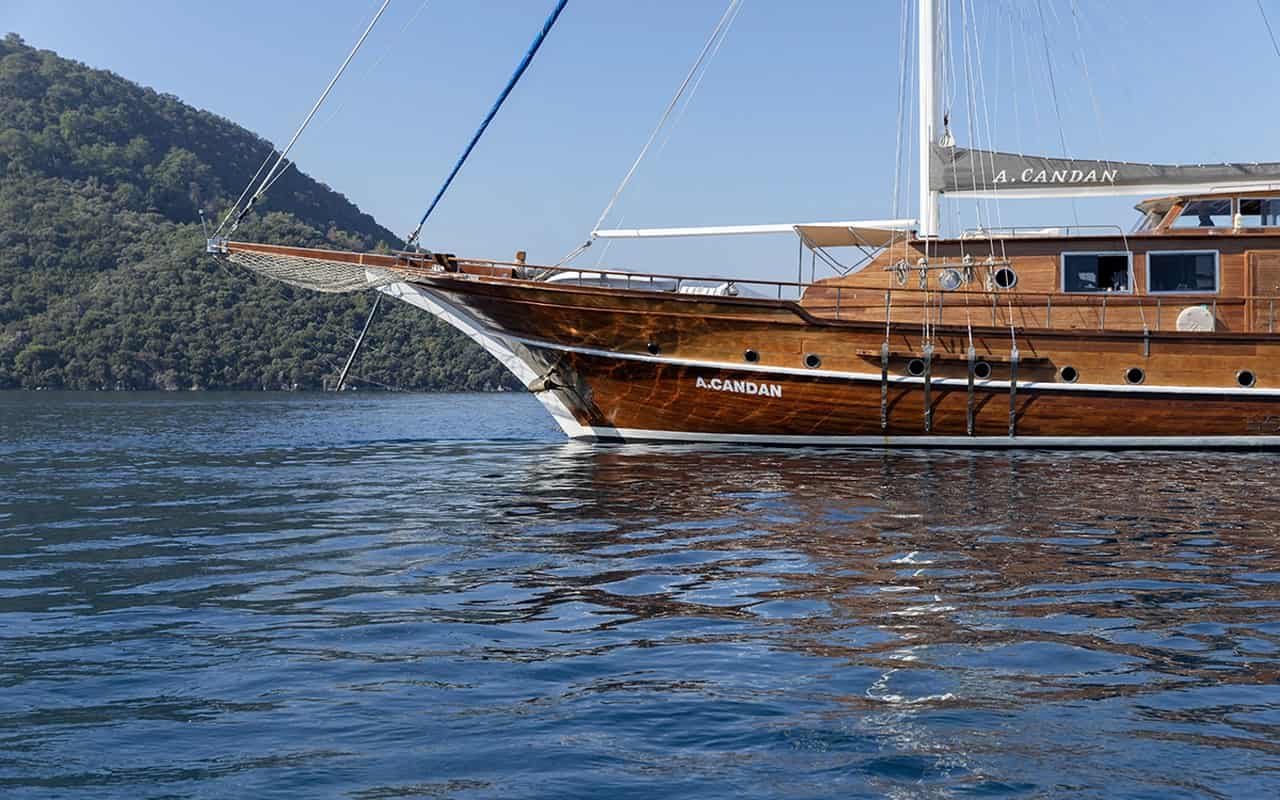
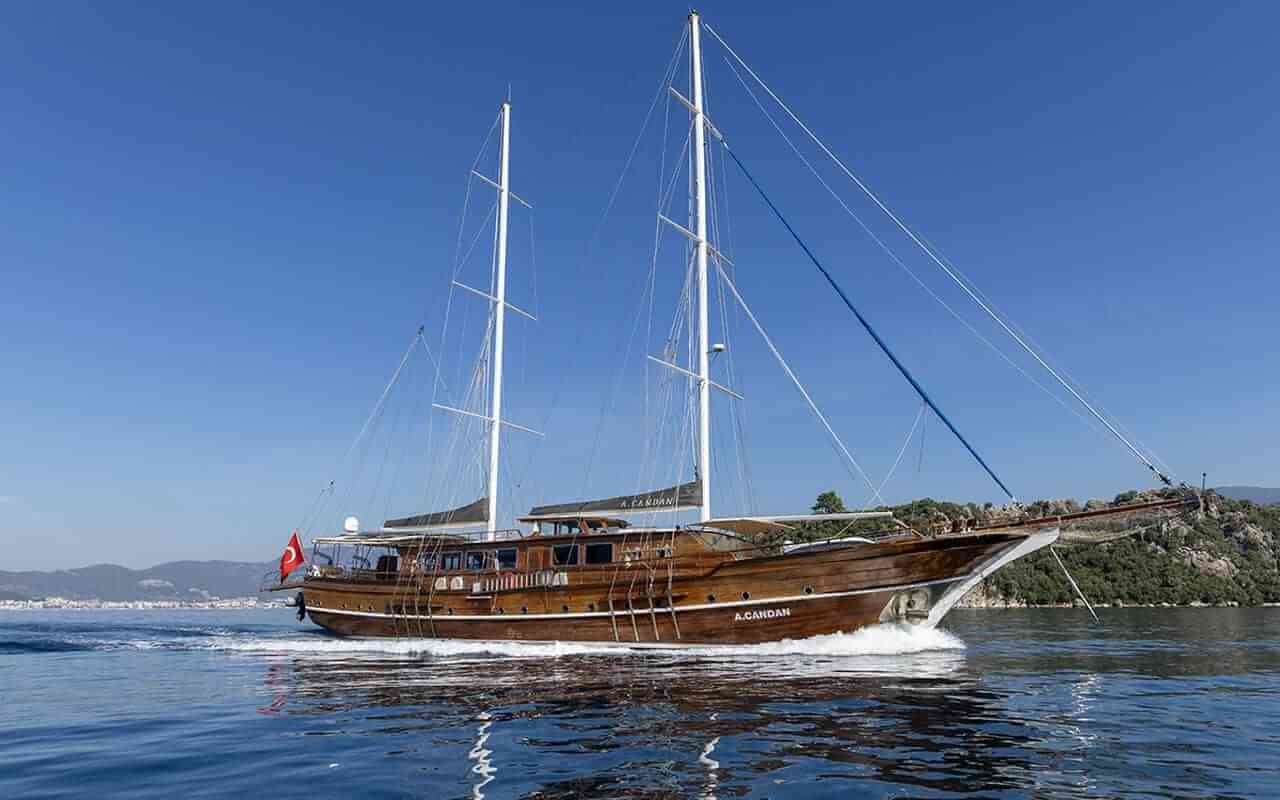
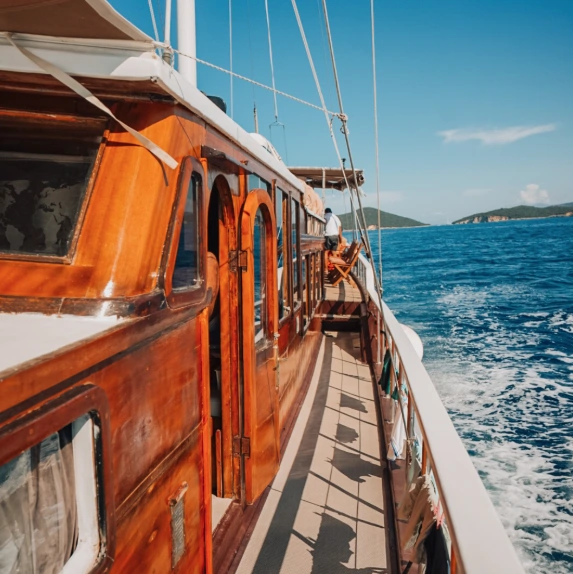
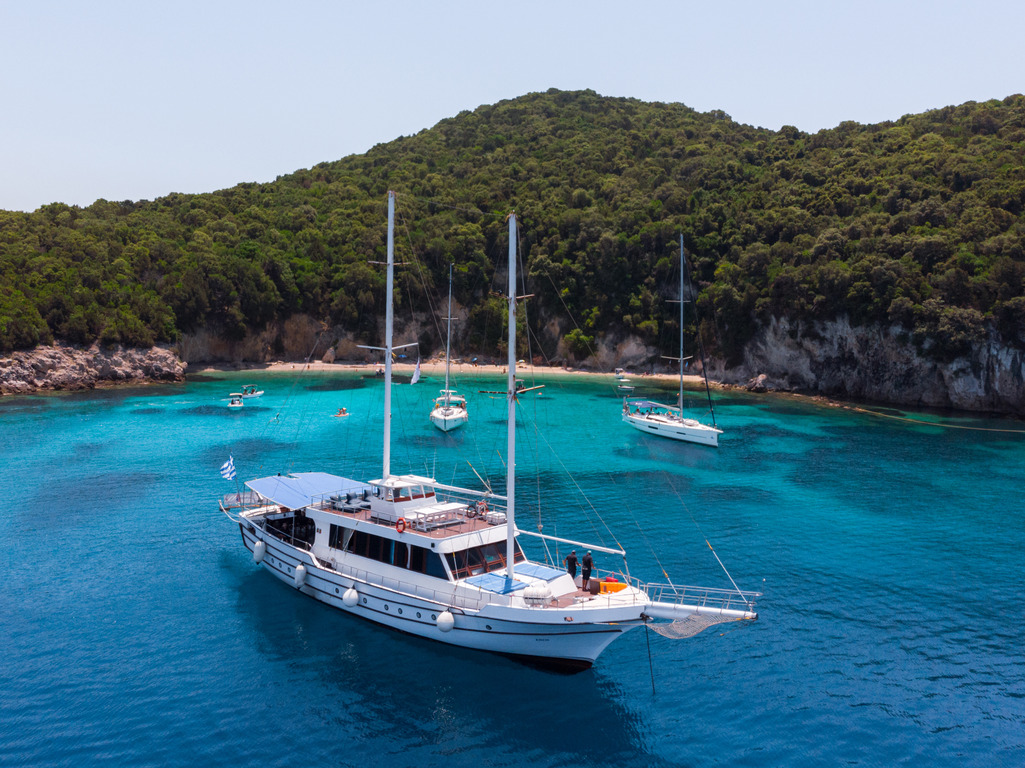
Wooden sailing yacht on calm blue water with forested hills in the background; hull reads 'A. Candan'.
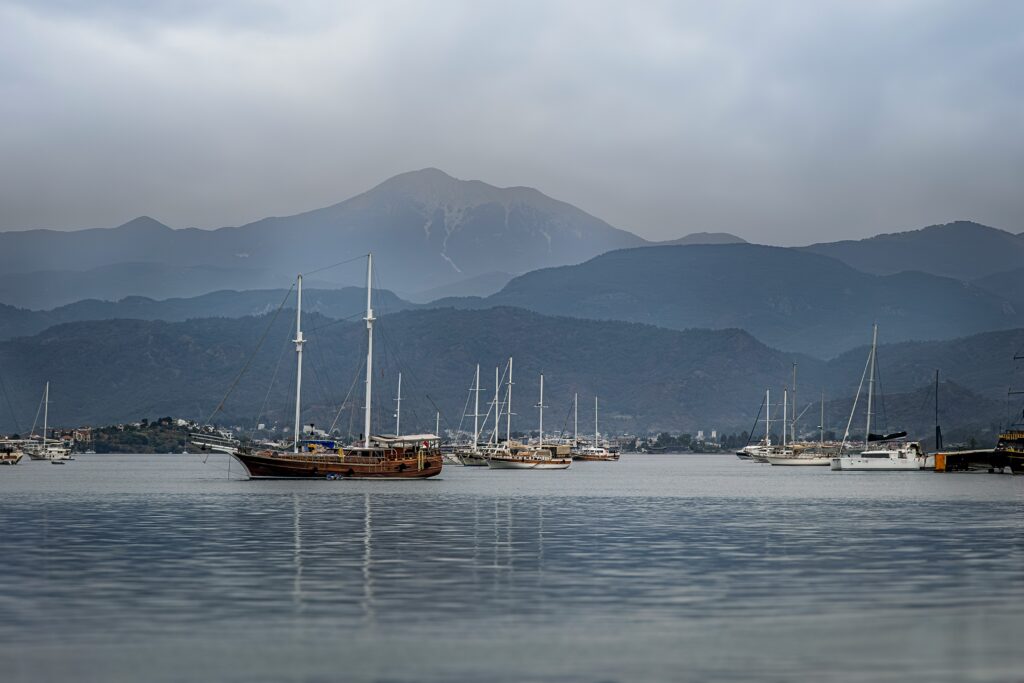
Sailboats docked in a calm harbor with a hazy mountain range in the background. A prominent wooden boat is in the foreground.

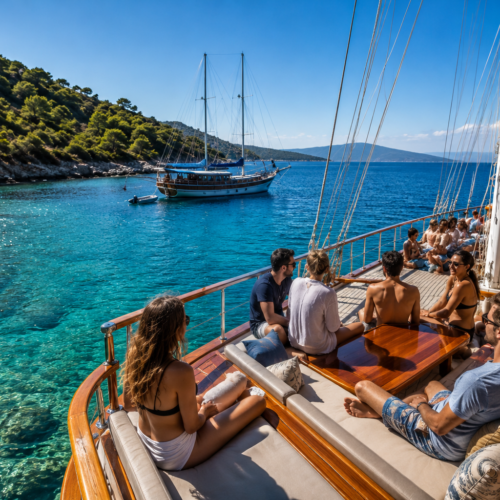
A gulet cruise in Greece is one of those travel experiences that’s almost impossible to explain without having done it. It’s part sailing adventure, part beach holiday, part social experiment – and entirely unlike any other way of exploring the Greek islands. Here’s what a week on board is actually like, from the moment you step on deck to the bittersweet Saturday morning goodbye.

What Is a Gulet?

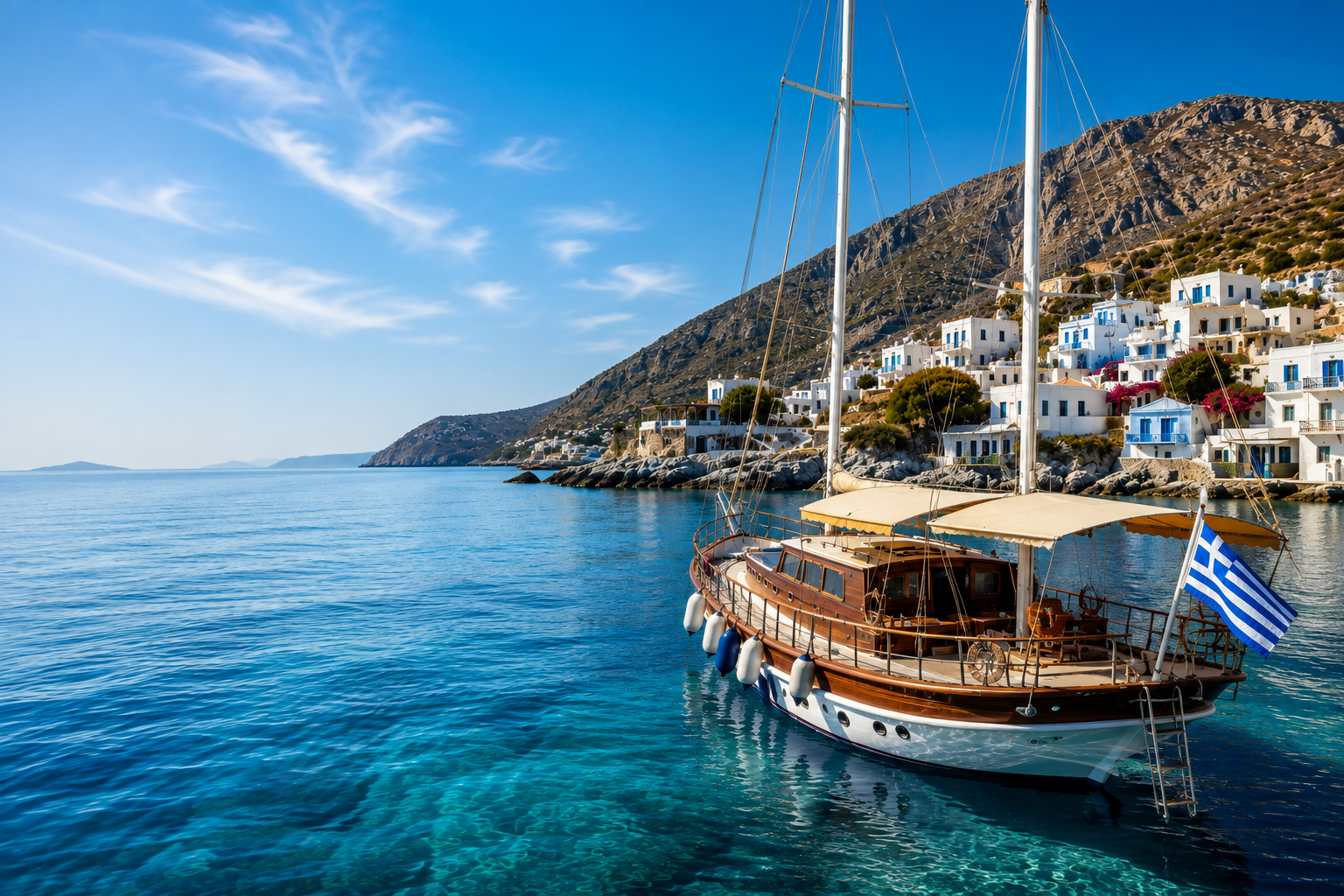
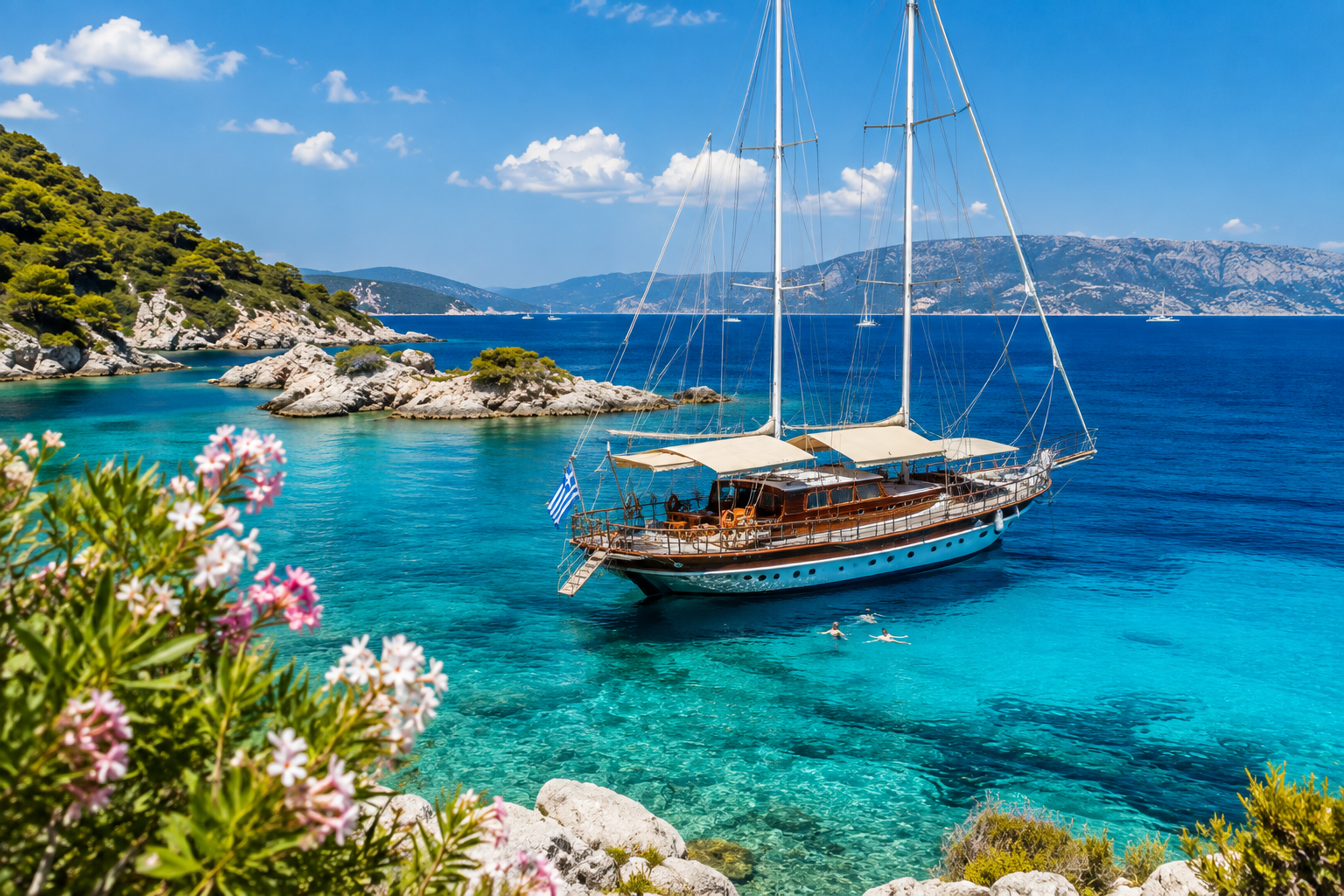
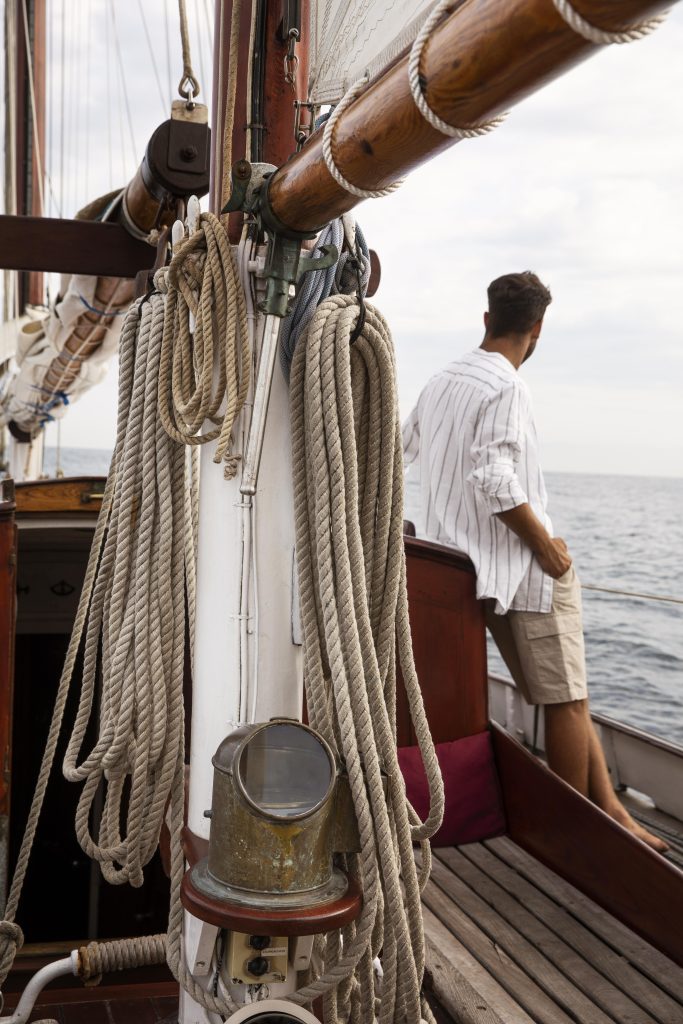
Before I did this trip, I genuinely didn’t know what a gulet was. I pictured something between a yacht and a pirate ship, and honestly, that’s not far off. A gulet is a traditional wooden sailing vessel, originally built by Turkish and Greek boat builders for fishing and cargo, that’s since been converted into a comfortable (if compact) cruising boat. Think wide wooden decks, a shaded dining area, sun loungers up top, and a handful of cabins tucked below.

Unlike a big cruise ship, a gulet usually carries somewhere between 15 and 40 guests, plus a small crew – a captain, a chef, and a couple of deckhands. There’s no theatre, no casino, no ten different restaurants. What you get instead is something much simpler: the sea, a handful of islands, good food, and a group of strangers who become friends faster than you’d expect.

Day 1 – Arriving in Port


I remember standing on the dock with my suitcase, squinting at rows of wooden boats trying to figure out which one was mine. There’s a nervous energy to that first afternoon. You check in, someone shows you to your cabin, and you dump your bags in a space that’s smaller than you imagined but somehow feels exactly right once you’re actually there.

Day one is all about settling in. You meet your cabin mates if you’re travelling solo, you get the safety briefing, and you start clocking faces – the couple from Manchester, the group of friends from Melbourne, the solo traveller who « just needed a break. » Nobody knows each other yet. By the time the boat pulls away from the harbour, though, that awkwardness starts melting fast. There’s usually a welcome dinner that first night, and it’s the first proper chance to actually talk to the people you’ll be spending the next week with.

A Typical Day at Sea


Ask anyone who’s done a gulet cruise what surprised them most, and most people will say the same thing: how relaxed the routine is. There isn’t really a « typical » day so much as a rhythm you fall into.

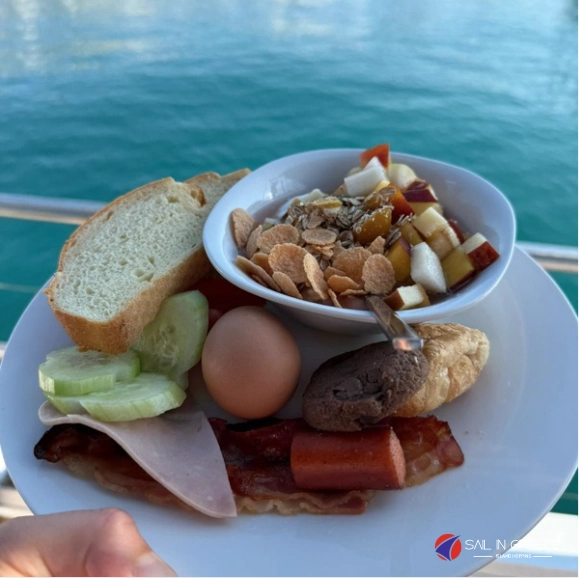
Mornings start early, but not in a bad way. You wake up to the gentle rock of the boat, the smell of coffee drifting up from the galley, and morning breakfast laid out on deck – fresh bread, yoghurt, honey, fruit, maybe some eggs if the chef is feeling generous. Eating breakfast with the sea stretching out in every direction is one of those small pleasures that gets old the least out of everything on the trip.

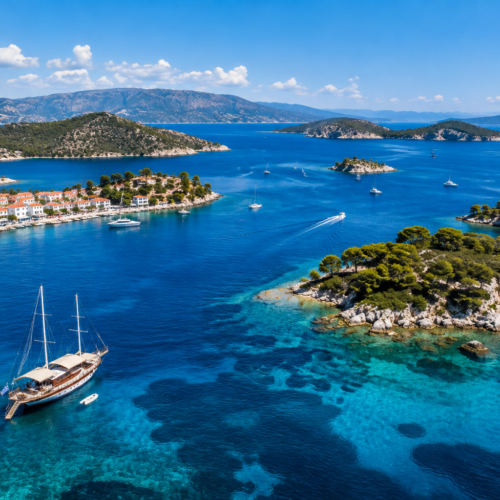
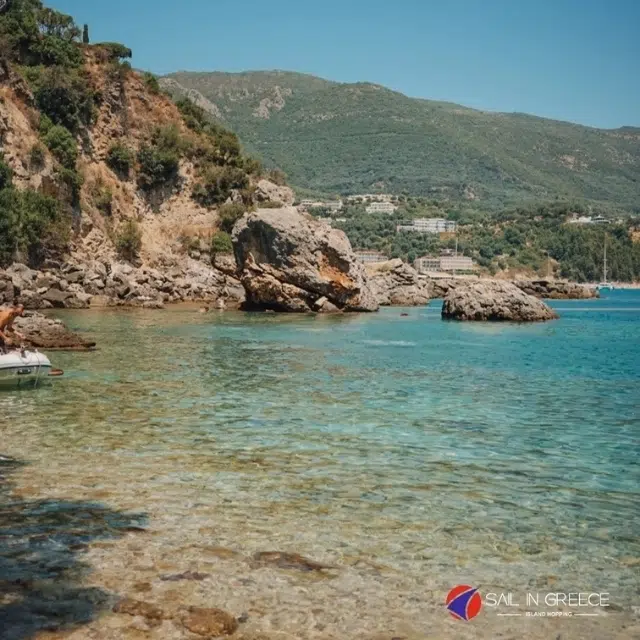
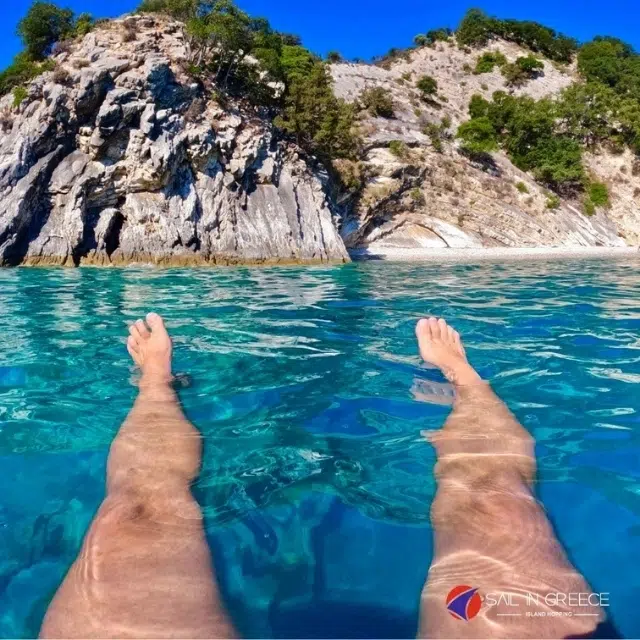
After breakfast, the boat sets sail for the next stop. Most days include at least one, often two, swimming stops in bays that you genuinely can’t reach any other way – no roads, no crowds, just turquoise water and the boat anchored a few metres offshore. One of the standout moments most people talk about is the Blue Lagoon at Sivota, a stretch of impossibly clear water tucked into the Ionian coastline that looks almost artificial, like someone added a filter to real life.

Lunch happens on board, usually after a swim, and then the afternoon is yours – nap on deck, read a book, jump in again, chat with whoever’s around. By late afternoon, the boat is usually pulling into that night’s port.Before setting sail, many travellers check live wind and weather conditions using Windy.

Evenings in Port


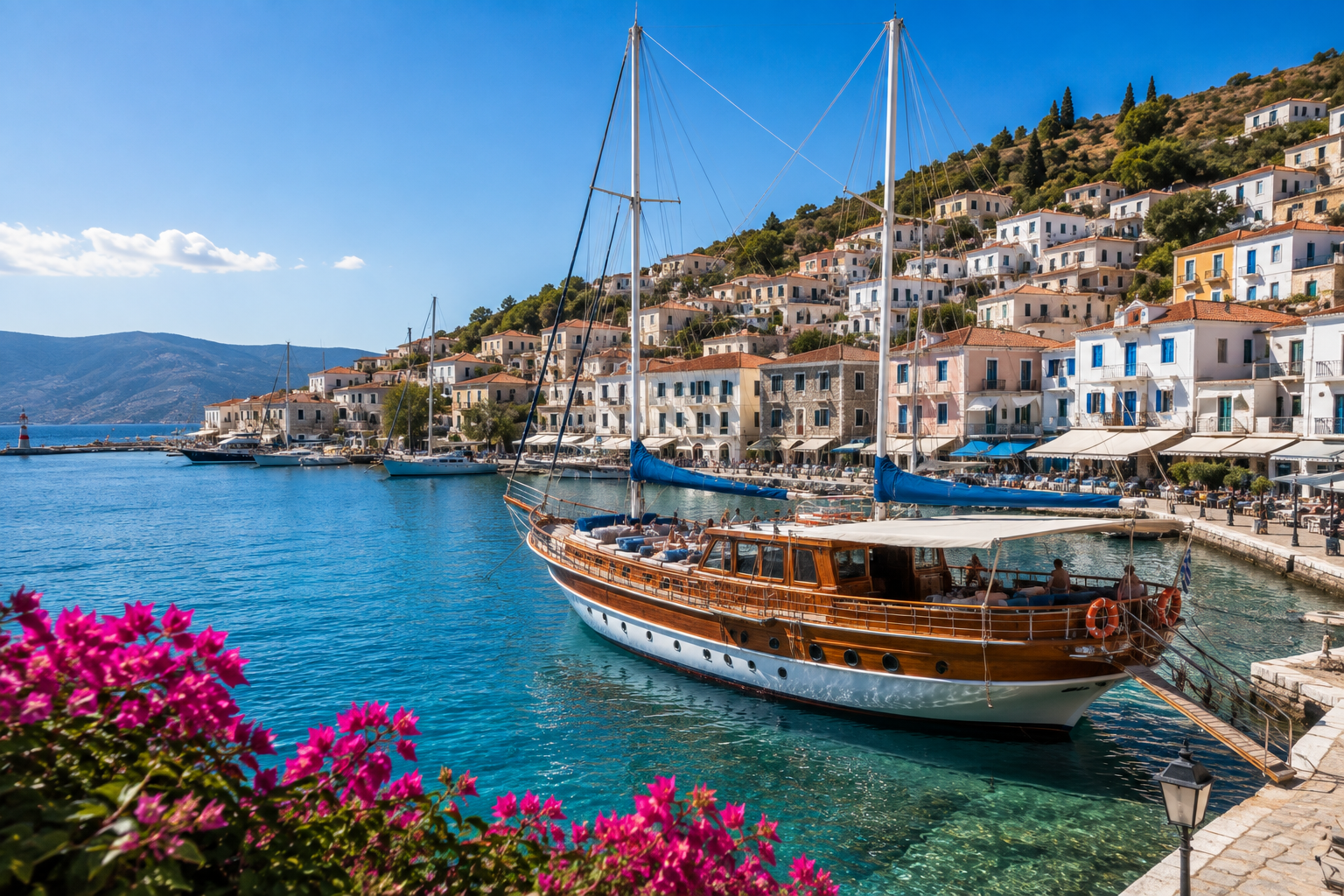
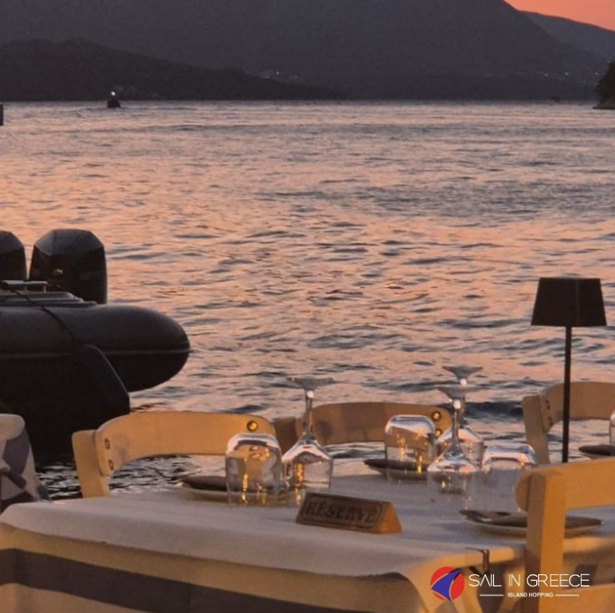
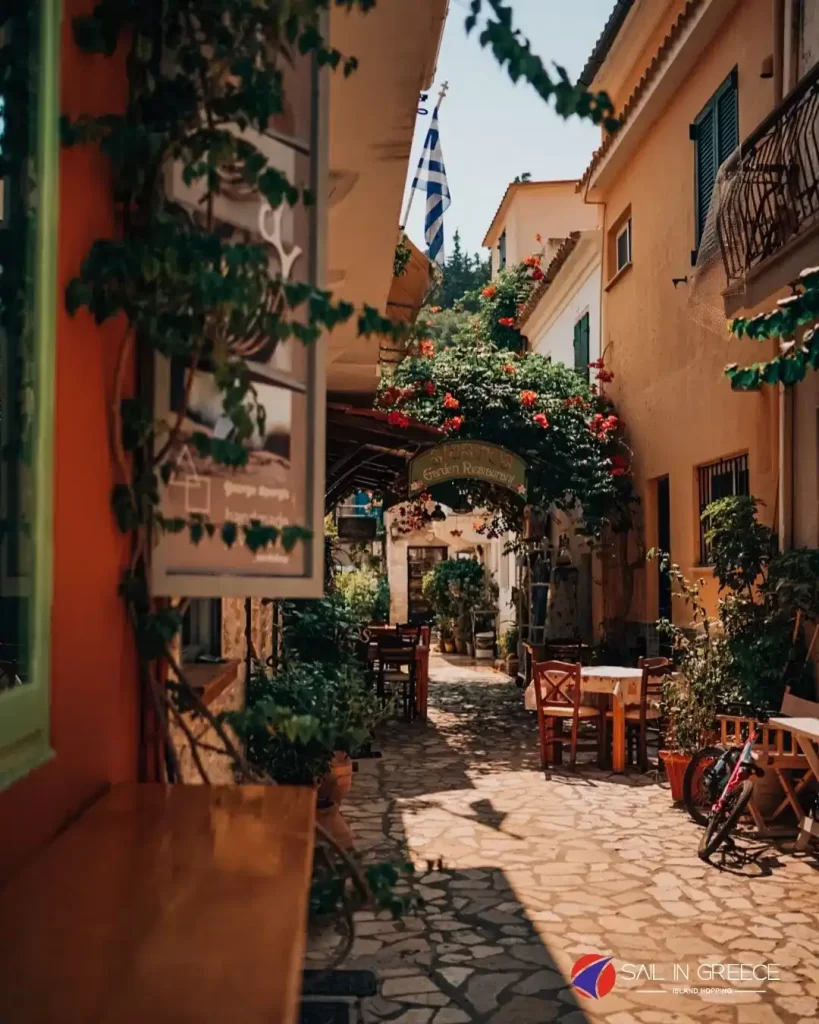
This is where the day shifts gear. Once the boat is docked, you’ve got a few hours before dinner to wander the small island village you’ve pulled into – cobbled streets, tavernas with plastic chairs and unbeatable views, little shops selling sandals and jewellery. Some of these villages barely register on a map, which is exactly the point. You’re not seeing the Greece from the postcards; you’re seeing the Greece that’s still just getting on with its own life.

One evening that stands out on most itineraries is a stop in Plataria, where there’s often an olive oil tasting arranged with a local producer. It sounds like a small thing until you’re actually sitting there dipping bread into oil that was pressed a few kilometres away, listening to someone explain the difference between varieties you never knew existed. It’s the kind of detail that makes the trip feel like more than a beach holiday.

Dinner is either back on the boat or at a taverna in port, depending on the night, and the highlight of the week for a lot of people is the Captain’s Dinner – a slightly dressed-up final evening where the crew puts on a proper spread, and there’s usually a bit of dancing, some toasts, and a lot of photos being taken. It has a bittersweet feel to it, because everyone knows what it means: the trip’s nearly over.

The Food on Board


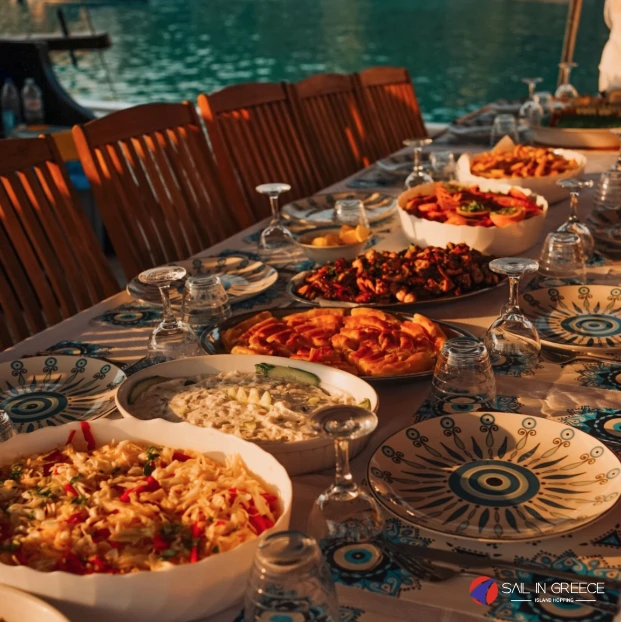
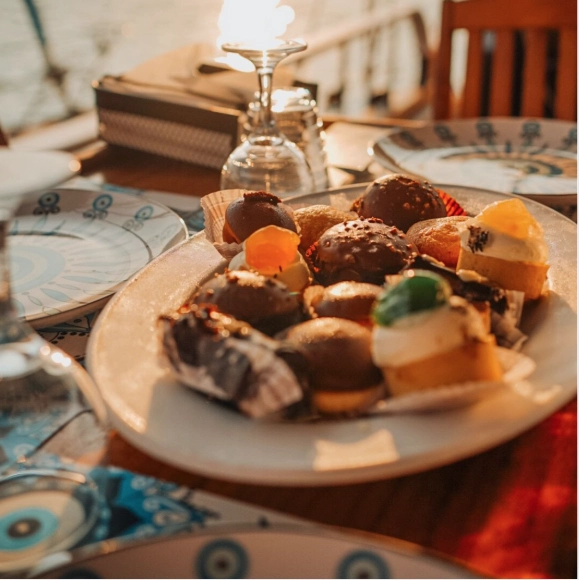
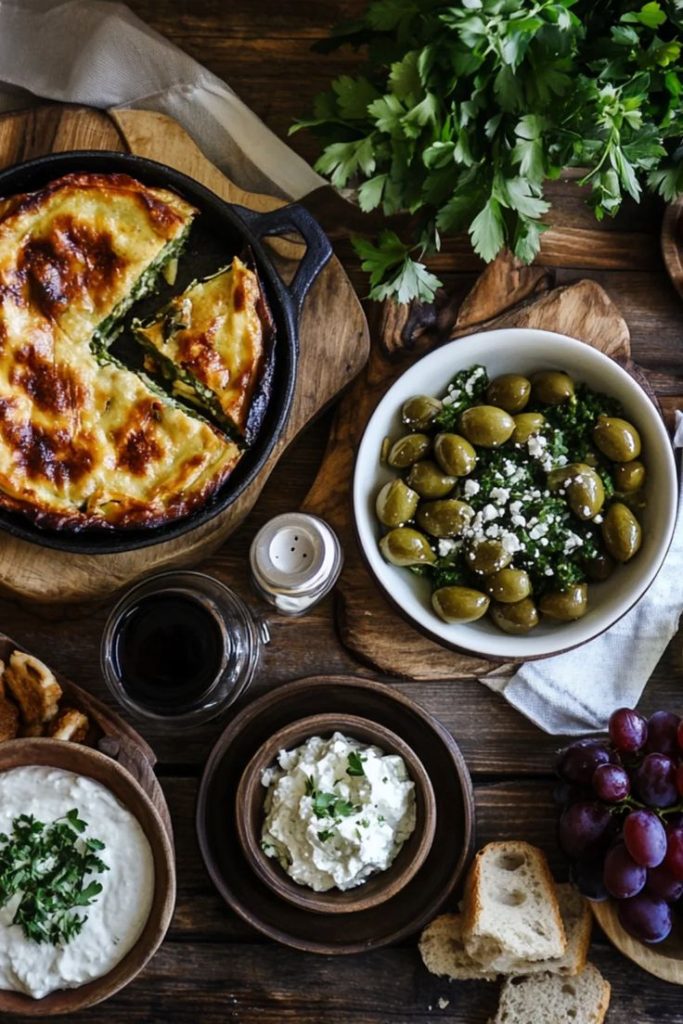
I wasn’t expecting much from boat food, if I’m honest. What actually happens is that most gulets have a chef cooking fresh meals daily, and it’s genuinely one of the better parts of the trip. Breakfast is simple and plentiful. Lunch is usually a spread of Greek dishes – salads, grilled meat or fish, dips, fresh bread – laid out buffet style so you can go back for seconds. Dinners vary more, sometimes on board, sometimes at a taverna ashore.

It’s not fine dining, and nobody’s pretending it is. But there’s something about eating fresh, simple food outdoors, with the sea right there, that makes it taste better than it probably would anywhere else.


The Cabins


Let’s be honest about this bit, because it’s the part people are most curious about and most likely to be surprised by. Cabins on a gulet are small. You’re not getting a hotel room – you’re getting a compact space with a bed, some storage, and usually an ensuite bathroom that doubles as the shower. Air conditioning is often available but sometimes runs on a schedule or costs extra, so nights can get warm, especially in peak summer.

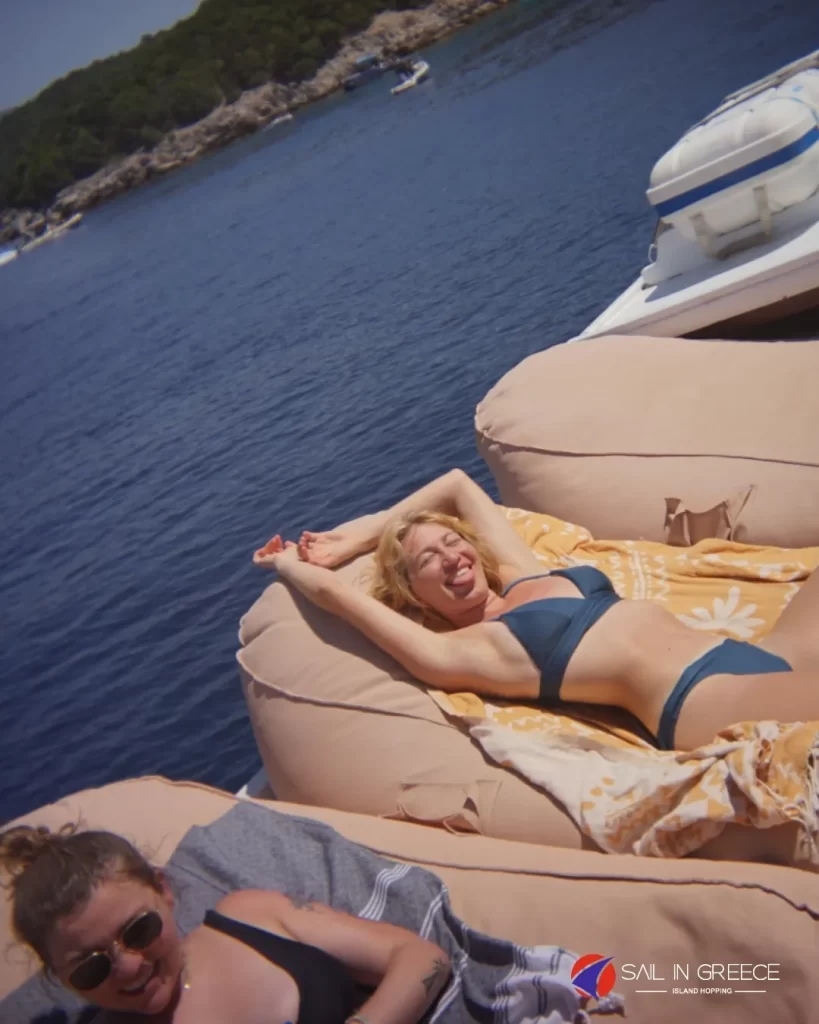
That said, you don’t spend much time in the cabin. Most of the trip happens on deck – eating, chatting, sunbathing, sleeping under the stars if that’s your thing. The cabin is really just where you crash at the end of a long day, and once you accept that, the size stops mattering nearly as much as you’d expect.


The Social Side


Nobody really prepares you for how social this trip is. You’re sharing a boat with strangers for a week, and there’s nowhere to hide from that – which sounds intense, but in practice it’s one of the best parts. Meals are shared, deck space is shared, and conversations start easily because everyone’s in the same boat, quite literally.

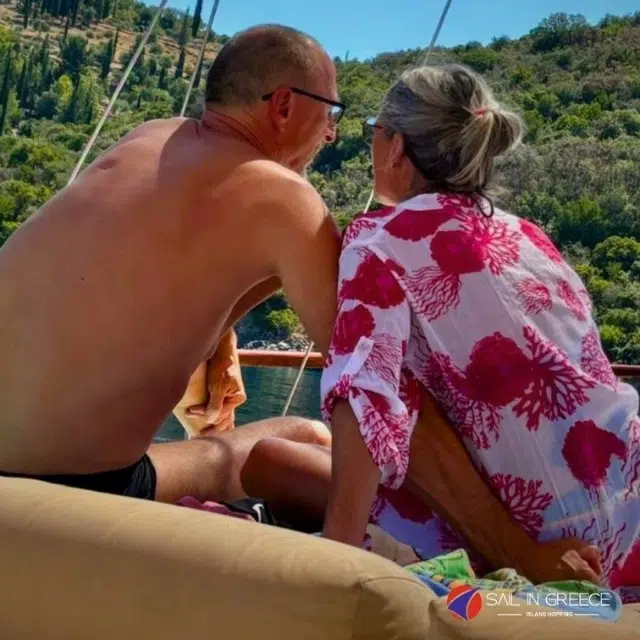
By day three or four, you’ve usually got a little crew of your own – people you swim with, sit next to at dinner, stay up late talking to under the stars. It’s not unusual to leave a gulet cruise with a handful of new friends you’re already planning to visit. There’s something about being disconnected from ordinary life, with no phones glued to faces and nothing to do but be present, that speeds up how quickly people connect.


What’s NOT Included


It’s worth being upfront about this, because it changes how you budget for the week. Most gulet cruises include your cabin, meals on board, and the crew’s services, but there are a few things that typically come as extras:

  • Drinks – most boats run a bar tab you settle at the end of the week
  • Air conditioning, on some boats, if you want it running overnight
  • Excursions or activities in port, like guided tours or watersports
  • Tips for the crew, which are appreciated but not mandatory
  • Flights and travel insurance to get you to and from the departure port

None of this is hidden or sneaky, but it’s easy to assume a cruise is fully « all-inclusive » when it isn’t quite. Budgeting an extra amount for drinks and the odd excursion will save you from any surprises.

Is a Gulet Cruise Worth It?


Honestly? For the right kind of traveller, yes. If you want five-star luxury, room service, and total privacy, this probably isn’t it – the cabins are small, the schedule can shift with the weather, and you’re sharing the whole week with a boat full of strangers. But if you want a genuinely different way to see the Greek islands, one that mixes swimming in hidden bays, wandering through small villages, eating good food outdoors, and meeting people from all over the world, it’s hard to think of a better way to do it.

It’s not a passive holiday where things happen around you. It’s one where you’re part of it – helping with a rope now and then, jumping off the side of the boat because someone else just did, staying up later than planned because the conversation’s too good to leave. That’s the part that’s hard to explain until you’ve actually done it.


What guests are saying


« The evenings in each little port were magical – quiet harbours, great food, and stargazing from the deck. » – Jeremy

« We visited quiet bays for swimming, snorkelled in crystal-clear waters, and explored old ruins. It exceeded all our expectations. » – Stauroula

« We explored hidden coves, swam in turquoise bays, and enjoyed amazing meals on deck. It was one of the most peaceful trips I’ve taken. » – Roger


Frequently Asked Questions


How many people are on a typical gulet cruise? It varies by boat, but most gulets carry somewhere between 15 and 40 guests, plus a small crew.

Do I need any sailing experience? No. You’re a guest, not crew. The captain and deckhands handle the sailing – you’re free to relax, though you can always ask to get involved if you’re curious.

Is there Wi-Fi on board? Some boats offer limited Wi-Fi, but signal can be patchy once you’re out at sea. Most guests find it’s actually a nice excuse to switch off for the week.

What should I pack? Light, breathable clothing, swimwear, a hat, reef-safe sunscreen, and a light jacket for cooler evenings. Cabin storage is limited, so a soft duffel bag packs better than a hard suitcase.

Is it suitable for solo travellers? Very much so. The social nature of the trip makes it one of the easier ways to travel alone and still end up surrounded by people by the end of the week.

What happens if the weather turns bad? Captains adjust the itinerary as needed for safety, sometimes swapping stops or delaying a swim. It’s rare for weather to derail a trip entirely, but some flexibility is part of sailing.

When’s the best time to go? Peak summer (July-August) means warm water and lively evenings, but it’s also the busiest and hottest. Late spring and September offer quieter ports and more comfortable temperatures.

Ready to experience it for yourself? Browse our Greece cruise dates for 2026 and 2027 – most summer departures sell out early.

How to Visit Greek Islands Without the Crowds in 2026

Bow view of a sailing yacht at sea with a wooden deck, rigging overhead and calm blue water extending to distant mountains.
Sailboat near a rocky cliff on turquoise water under a clear blue sky, people on deck enjoying the calm sea


In 2026, Greece implemented daily visitor caps of 8,000 people on Santorini and introduced strict limits on mega-cruise ship arrivals in Mykonos. For travellers wanting to see these iconic islands authentically – without queuing for three hours to see a sunset – the answer is arriving by private sailing boat. A gulet cruise lets you anchor in the same bays as the superyachts, visit islands that commercial ferries never reach, and experience Greece the way it was 30 years ago.Official Greece Travel Guide


Why Greece Is Capping Visitors in 2026


For years, Greece’s tourism boom looked like an unqualified success story. Arrival numbers climbed every season, hotel occupancy hit record highs, and islands that were once sleepy fishing communities became global travel brands. But by the mid-2020s, the strain on infrastructure, water supplies, and local life had become impossible to ignore.

Santorini, in particular, became the poster child for overtourism. On peak summer days, more than 17,000 cruise passengers were disembarking onto an island with a permanent population of roughly 15,000 people. Streets in Oia and Fira turned into slow-moving human traffic jams by mid-morning, and the famous caldera-view sunset spots required arriving hours early just to find standing room.

In response, Greek authorities introduced a daily cap of 8,000 cruise visitors to Santorini in 2026, alongside new restrictions on the number of mega-ships permitted to dock in Mykonos on any given day. Local municipalities have also tightened rules around short-term rentals, beach club expansion, and vehicle access in historic centres. The goal isn’t to discourage tourism altogether – Greece’s economy depends heavily on it – but to protect the character of the islands and the quality of life for residents, while making the visitor experience more sustainable in the long run.

For independent travellers, this shift creates a new reality. Turning up in high season without a plan now means competing for a shrinking pool of walk-in availability, particularly on the islands everyone has heard of. The islands themselves haven’t become less beautiful – if anything, the caps are protecting what makes them special. But the way people access them needs to change.


The Problem With Visiting Santorini and Mykonos in 2026

Even with visitor caps in place, Santorini and Mykonos in peak season remain two of the busiest patches of coastline in the Mediterranean. The caps limit cruise arrivals, but they do very little to reduce the sheer volume of people already staying on the islands via hotels, ferries, and short-term rentals.

The practical problems for travellers haven’t disappeared – they’ve just shifted shape:

  • Restricted spontaneity. With daily arrival limits, popular excursions, boat tours, and even restaurant tables need to be booked well in advance. Turning up and figuring it out as you go is far less realistic than it used to be.
  • Concentrated crowds in a smaller footprint. Santorini is a small island. Even 8,000 capped daily arrivals, combined with existing hotel guests, still creates dense crowds around the caldera towns, the same handful of beaches, and the sunset viewpoints everyone photographs.
  • Rising prices. Reduced supply against strong demand pushes prices upward – for accommodation, excursions, and even simple things like a table for dinner with a view.
  • A homogenised experience. Much of what visitors see on Santorini and Mykonos today is built around tourism itself: souvenir shops, infinity pools, and photo-ready cafés, rather than the fishing villages and working ports these islands once were.

None of this means Santorini and Mykonos aren’t worth visiting – they absolutely are. But seeing them exclusively by staying on land, and trying to squeeze both into a single land-based itinerary, increasingly means spending a significant part of your holiday managing logistics rather than enjoying the islands.


How a Sailing Holiday Changes Everything

A gulet cruise solves the crowding problem in a way that no amount of clever land-based planning can. Instead of basing yourself in one town and taking day trips out, you bring your accommodation with you – a traditional wooden sailing boat that moves between islands, anchoring in bays and harbours that are simply inaccessible to the coach tours and cruise ship crowds.

The difference comes down to a few key advantages:

You control your own schedule. Rather than being tied to ferry timetables or excursion departure times, a private gulet moves at the pace your group sets. If a bay is busy, you sail on to the next one. If you find somewhere beautiful and quiet, you simply stay longer.

You reach places ferries don’t go. Commercial ferry routes connect major ports because that’s where the passenger volume is. Countless smaller islands, secluded coves, and quiet anchorages across the Aegean and Ionian have little or no ferry service at all – but they’re easily reached by sailing boat.

You see Santorini and Mykonos differently. Rather than arriving by ferry into the main port and joining the crowds on foot, a sailing itinerary can approach these islands by sea, anchor away from the main harbour, and visit at times of day when the day-trippers have gone home. You get the caldera views and whitewashed villages, minus the three-hour queue for a sunset photo.

Every day brings a new anchorage. Instead of one island for your whole trip, a week-long cruise typically visits five or more islands, so the crowding problem is spread out rather than concentrated. If one spot feels busier than expected, it’s simply part of a longer journey rather than the whole holiday.

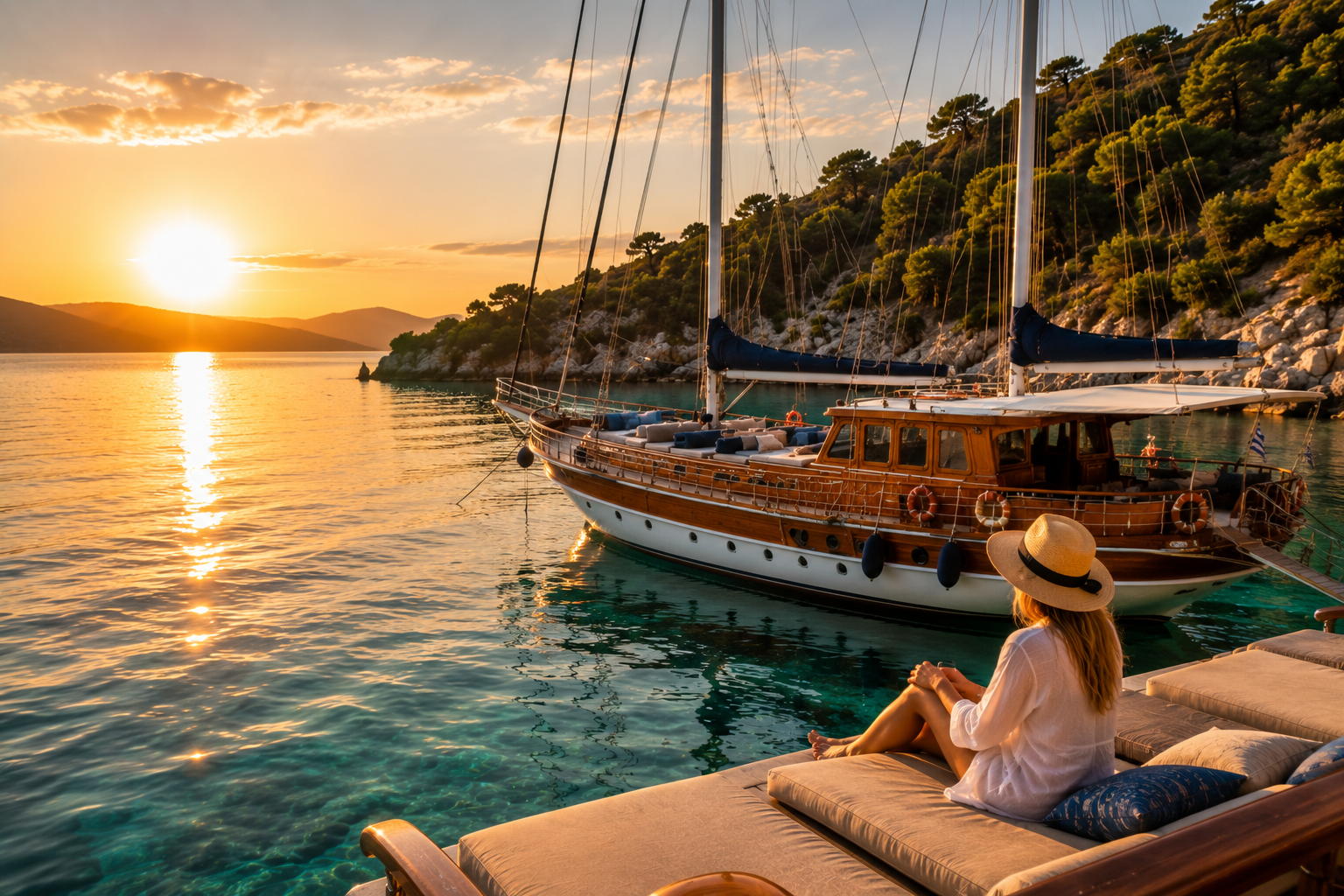
It’s how Greece used to feel. Long before mass tourism, this coastline was explored by boat – fishermen, traders, and early travellers moved between islands by sea. A gulet cruise reconnects you with that older rhythm: swimming from the deck in clear water, eating fresh fish in tiny harbour tavernas, and waking up somewhere new.


5 Greek Islands You Can Only Reach by Boat

Beyond the household names, Greece has thousands of islands and islets, and many of the most beautiful are only practically accessible by private boat. Here are five worth seeking out on a sailing itinerary.


1. Polyaigos

Uninhabited and largely untouched, this small island near Milos has no ferry service and no permanent population – just dramatic cliffs, sea caves, and turquoise water that few travellers ever see.


2. Koufonisia’s hidden coves

While the main village of Koufonisia does get a ferry, the island’s best swimming spots – tiny coves with sculpted rock formations and impossibly clear water – are tucked along a coastline that’s far easier to reach by boat than on foot.


3. Marathi

A tiny islet in the Dodecanese with a handful of residents and a couple of family-run tavernas, Marathi is the kind of place where a gulet can anchor for lunch and you’ll barely see another visitor.


4. Paximada

Off the coast of Crete, this rocky islet has no infrastructure at all, but it’s a haven for wildlife and a striking, peaceful stop for swimming and snorkelling.


5. Sikinos

Often overlooked in favour of its neighbour Santorini, Sikinos has limited ferry connections, a slower pace of life, and Byzantine ruins with almost no other tourists in sight.

These are the kinds of stops that transform a Greek island holiday – not replacing the icons, but adding the contrast of true seclusion alongside them.


Our Crowd-Free Greece Sailing Routes

At Sail in Greece, our cruises are built around exactly this idea: combining the islands people come to Greece to see with the quieter anchorages that only a private gulet can reach.

Our Ionian Cruises explore the calmer, greener side of Greece – think Kefalonia, Ithaca, and Zante – where pine-covered hills meet turquoise bays, and the pace of island life feels noticeably slower than in the Aegean.

Our Zante Cruises focus on the beaches and sea caves of Zakynthos and its surrounding islets, including spots that are effectively unreachable except by boat, away from the beach-club crowds.

Our Rhodes Cruises combine the medieval old town of Rhodes with a chain of Dodecanese islands and hidden coves that most travellers never make it to.

For those wanting a livelier social atmosphere, our 18-39s Cruises and Mykonos Cruises blend the buzz of nightlife stops with plenty of swimming and quieter anchorages in between – so you get the party without spending your whole trip fighting crowds.

Our Harmony Cruises strike a balance between sightseeing, relaxation, and a touch of nightlife, ideal for groups with mixed priorities.

And for travellers who want full flexibility, our Yacht Experiences let you charter privately and shape the entire itinerary – including which crowded ports to skip entirely.

Every itinerary is built around a fleet of traditional wooden gulets, ranging from smaller Standard boats for intimate groups up to larger Luxury vessels for bigger parties, so the experience can be tailored to the group size and style of trip you’re after.


Practical Tips for Avoiding the Crowds in 2026

If you’re planning a Greek island trip this year, a few practical adjustments can make a significant difference to how crowded your experience feels.

Book well ahead, especially for July and August. With visitor caps in place on the busiest islands, availability for accommodation, excursions, and boat charters is tighter than in previous years. Early booking isn’t just about price – it’s about securing a spot at all.

Consider shoulder season. Late May, June, and September offer warm weather and calmer seas, with a fraction of the visitor numbers of peak summer. Many sailing routes are just as enjoyable, if not more so, outside the July-August peak.

Visit famous islands by sea, not by ferry. Arriving at Santorini or Mykonos by private boat, and anchoring away from the main port, avoids much of the disembarkation bottleneck that ferry and cruise passengers face.

Prioritise time on the water over time in town. The most memorable parts of a Greek island trip are often swimming in a quiet bay or watching the sunset from a boat deck – not standing in a crowd. Build your itinerary around these moments rather than ticking off towns.

Choose a smaller vessel and group size if you want more flexibility. Larger charter groups sometimes need to plan further ahead for anchorages and dinner reservations; smaller groups can be more spontaneous.

Pack light and pack smart. Space on a gulet is more limited than in a hotel room. A soft-sided bag, reef-safe sunscreen, and swimwear that dries quickly will serve you far better than a hard suitcase full of resort wear.

Talk to your operator about the current visitor caps. Rules can shift during the season, and an experienced local operator will know which anchorages and ports are quietest on any given week.


Frequently Asked Questions


Do the 2026 visitor caps mean I can’t visit Santorini or Mykonos this year? No. The caps limit the number of cruise ship passengers allowed to disembark each day; they don’t prevent independent travellers, including those arriving by private sailing boat, from visiting. Booking ahead and choosing quieter arrival times still gives you full access to both islands.

Is a gulet cruise suitable for people who aren’t experienced sailors? Yes. Gulets are crewed by an experienced captain and crew who handle all the navigation and sailing, so guests can simply relax, swim, and enjoy the itinerary without any sailing experience required.

How many islands do you typically visit on a one-week cruise? Most one-week itineraries call at five to seven islands and anchorages, combining well-known destinations with quieter bays and villages that aren’t accessible by regular ferry services.

When is the best time to book a Greece sailing holiday in 2026 to avoid crowds? Late May, June, and September tend to offer the best balance of good weather and lower visitor numbers, though July and August remain popular for those who don’t mind booking further in advance to secure availability.

Corfu Sailing Guide: Anchorages, Highlights & Island Hopping

Wooden two-masted sailing yacht with a Turkish flag gliding on calm sea near a rocky shore.
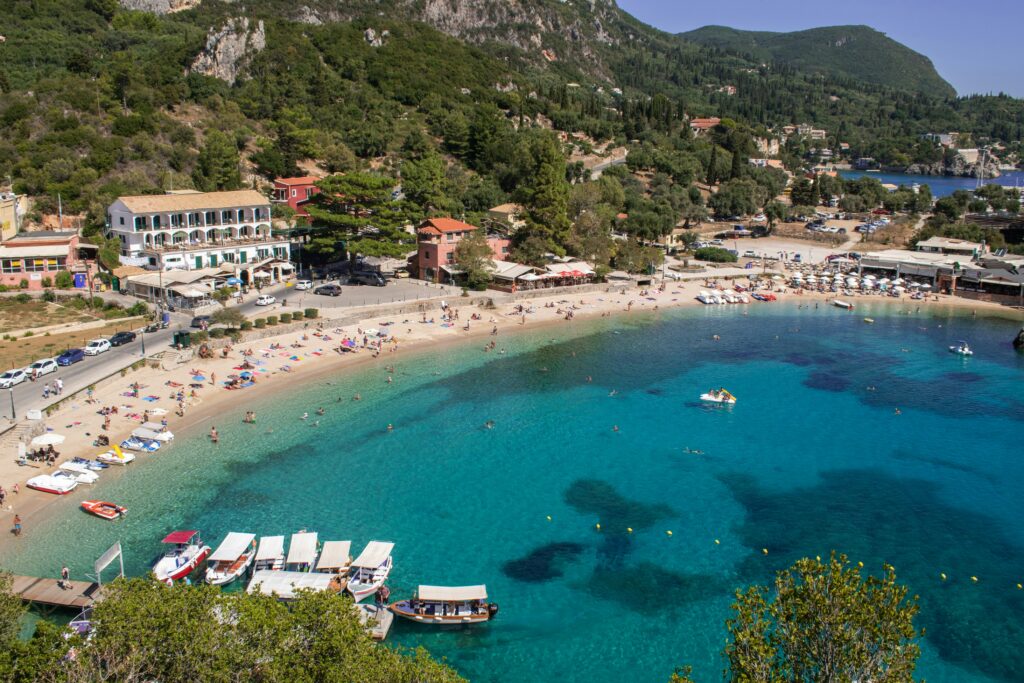
A sunny seaside town with a sandy beach, turquoise water, boats, and hillside buildings behind it.

Corfu is Greece’s most popular Ionian island and the main departure point for sailing holidays exploring the Northern Ionian Islands. The island combines a UNESCO World Heritage-listed Old Town with some of the Ionian Sea’s most sheltered anchorages, clear turquoise waters, and lush green landscapes that set it apart from the typical dry, rocky Greek island aesthetic.

Why Corfu?


Corfu has been a favorite destination for travelers for centuries, and it’s easy to see why. The island sits at the crossroads of Italian, Venetian, French, and British influences, giving it a character unlike anywhere else in Greece. Elegant architecture, tree-lined boulevards, and a relaxed Mediterranean pace of life make it feel more like a slice of the Adriatic than a typical Greek island.

For sailors, Corfu is the natural starting point for a very simple reason: geography. The island sits at the top of the Ionian Sea, close to mainland Greece and within easy striking distance of Paxos, Antipaxos, and the mainland coastline around Sivota and Parga. This means charter fleets are well established here, marina infrastructure is reliable, and the sailing routes fan out in almost every direction without requiring long overnight passages.

What makes Corfu different from the Cyclades or the Dodecanese is its landscape. Instead of whitewashed villages on bare, sun-baked hillsides, Corfu is green year-round. Olive groves, cypress trees, and dense forest run right down to the shoreline, and the water along the east coast is famously calm, sheltered by the mainland just across the strait. It’s a gentler, more forgiving cruising ground, which is one reason it attracts both experienced skippers and first-time charterers.Learn more about Corfu on the Official Greece Travel Guide.

Corfu Old Town


Corfu Town, the island’s capital, is a UNESCO World Heritage Site, and walking through it feels like stepping into a different country entirely. The town was shaped by more than four centuries of Venetian rule, followed by periods of French and British administration, and each left its mark on the architecture, street layout, and local customs.

The Venetian old quarter is a maze of narrow lanes, known locally as kantounia, lined with tall shuttered buildings, hidden courtyards, and laundry strung between balconies. It’s a wonderful place to wander without a fixed plan, since almost every turn reveals a quiet church, a small square, or a view down to the sea.

Dominating the eastern side of town is the Old Fortress, a Venetian-built stronghold set on a rocky promontory that has guarded the town for centuries. Climbing to the top rewards you with sweeping views over the town, the marina, and across the strait to the Albanian coastline. The nearby Spianada, one of the largest squares in the Balkans, is bordered by the arcaded Liston, built in the style of Parisian arcades and lined with cafes.

Speaking of cafes, Corfu Town has a genuine coffee culture. Sitting under the Liston’s arches with a coffee and watching cricket on the Spianada (a leftover tradition from British rule) is one of the town’s small pleasures. For shopping, the streets around Nikiforou Theotoki and the market lanes are packed with everything from local olive oil, kumquat liqueur, and handmade sandals to jewelry, ceramics, and boutique fashion. It’s an easy town to lose an afternoon in before or after a day out on the water.

Best Anchorages & Swimming Spots


Vidos Island

Just a short hop from Corfu Town’s harbor, Vidos is a small, forested island that makes an excellent first anchorage or a quiet spot to cool off before heading further afield. It’s sheltered, close enough for a quick overnight stop, and offers calm, clear water for swimming with the skyline of Corfu Town visible in the background.


Paleokastritsa

On the island’s west coast, Paleokastritsa is often described as one of the most beautiful bays in Greece. A series of small coves cut into dramatic cliffs, with sea caves to explore by dinghy or kayak and water so clear it looks almost artificial. The bay is more exposed to the meltemi and westerly swell than the sheltered east coast, so it’s best visited in settled conditions, but the scenery makes it worth the detour.


Nissaki

On the northeast coast, Nissaki is a peaceful anchorage backed by steep, green hillsides and olive terraces. It’s more sheltered than the west coast spots and popular for its clear water and relaxed taverna scene right on the pebble beach. It’s a good stop for swimming and a slower pace, especially in the early or late season when the anchorage is quieter.

Each of these spots offers something different: Vidos for convenience and calm water close to town, Paleokastritsa for dramatic scenery and adventure, and Nissaki for a laid-back, sheltered stop along the greener northeast coast.


Sailing From Corfu


One of the biggest advantages of basing a charter in Corfu is the range of destinations reachable within a short sail. Heading south along the coast, sailors can reach the mainland town of Sivota, tucked into a well-protected bay on the Greek mainland, known for its lively harborside restaurants and calm anchorage.

Further south again are Paxos and Antipaxos, two of the most photographed islands in the Ionian. Paxos is about 2.5 hours away by boat from Corfu, making it a comfortable day sail or the first overnight stop of a longer itinerary. The island’s main harbor towns, Gaios, Lakka, and Longos, are full of character, with pastel buildings, waterfront tavernas, and sheltered anchorages.

Just south of Paxos, tiny Antipaxos is famous for two beaches, Voutoumi and Vrika, with turquoise water that rivals anywhere in the Caribbean. It has no real town to speak of, just a scattering of seasonal tavernas, which makes it feel wonderfully untouched compared to busier islands.

Together, Corfu, Sivota, Paxos, and Antipaxos form a classic Northern Ionian sailing route: short hops, sheltered water, and a mix of lively harbor towns and quiet, beautiful anchorages.


Corfu Old Port


Corfu’s Old Port sits right at the edge of Corfu Town and is the main departure point for charter yachts, ferries, and cruise ships alike. For sailors starting a charter here, check-in is usually straightforward: most charter companies operate from bases either directly at the Old Port or a short drive away, and briefings typically cover the boat, safety equipment, and local sailing conditions before handover.

Parking near the Old Port is available but can fill up quickly in peak season, so it’s worth arriving with some buffer time, especially if you’re bringing a car full of provisions or luggage. For those flying in, a taxi from Corfu International Airport to the Old Port takes only about 10–15 minutes, making it one of the more convenient charter starting points in Greece, since there’s no need for a long transfer after a flight.

The Old Port is also a major departure point for cruise ships and inter-island ferries, so expect some traffic and activity around the harbor, particularly during the morning and early evening. It’s a working port as much as a charter base, which adds to the atmosphere but also means it pays to keep an eye on larger vessel movements when maneuvering in and out.


Best Restaurants & Bars


Corfu Town has no shortage of good places to eat and drink before or after a day on the water. For a classic taverna experience, head into the old quarter for traditional Corfiot dishes like sofrito, pastitsada, and bourdeto, all specialties that reflect the island’s Venetian-influenced cuisine.

Around the Liston, the cafes are ideal for a relaxed coffee or an evening drink while people-watching on the Spianada. For something closer to the water, the streets near the Old Port and the Old Fortress have several seafood tavernas serving fresh catch with harbor views. In the evening, the old town’s narrow streets come alive with small wine bars and cocktail spots tucked into converted historic buildings, offering a more low-key alternative to the busier tourist strips found elsewhere on the island.


Weather & Best Time

Corfu enjoys a Mediterranean climate with mild winters and warm, dry summers, but sailing conditions vary noticeably by season.


Spring (April-May)

Brings mild temperatures, green landscapes at their most lush, and generally light and manageable winds, making it a pleasant time to sail before the summer crowds arrive.


Summer (June-August)

Is peak season, with hot, sunny days and the most reliable winds for sailing, though the west coast can see stronger afternoon breezes. This is also when the island, marinas, and popular anchorages are at their busiest.


Autumn (September-October)

Offers warm sea temperatures, thinner crowds, and generally settled weather, making it a favorite among experienced sailors looking for a quieter cruising experience.

Overall, the best sailing conditions in the Northern Ionian tend to fall in June, July, September, and early October, when winds are consistent but not extreme, and daytime temperatures are comfortable both on and off the water.Check the latest weather conditions on Meteo Greece.


Practical Information

Fuel stations: Fuel docks are available at the main marinas around Corfu Town and at some larger harbors along the coast, though it’s wise to top up whenever convenient rather than waiting until the tank runs low, since not every anchorage has fuel access.

Grocery stores: Corfu Town has supermarkets and smaller grocery shops within easy walking distance of the Old Port, making it simple to stock up before setting off. Smaller villages along the coast typically have at least a mini-market for basics.

Marinas: Corfu offers several marina options, including facilities at the Old Port area and nearby Gouvia Marina, one of the larger marinas in the region with extensive berthing and services for charter yachts.

Provision shopping: For a proper provisioning run, the markets and supermarkets in Corfu Town are the best option, offering fresh produce, local olive oil, wine, and bakery items. Once underway, smaller harbor towns like Gaios on Paxos or Sivota also have grocery stores for topping up.Before departure, sailors can check live wind forecasts using Windy.


FAQs

Is Corfu good for sailing? Yes. Corfu combines sheltered anchorages, a well-developed charter base, and short sailing distances to nearby islands and the mainland, making it one of the most popular and accessible starting points for a Greek sailing holiday.

When is the best time to sail from Corfu? June, July, September, and early October generally offer the best balance of settled weather, comfortable temperatures, and reliable sailing conditions.

How far is Paxos from Corfu? Paxos is about 2.5 hours away by boat from Corfu, making it an easy day sail or the first stop on a longer island-hopping itinerary.

Where do cruises and charters leave from? Corfu’s Old Port, right next to Corfu Town, is the main departure point for charter yachts, ferries, and cruise ships.

Is Corfu suitable for beginners? Yes. The east coast in particular offers sheltered, calm water and short hops between anchorages, making it a forgiving cruising ground for less experienced sailors, while more experienced crews can venture to exposed spots like Paleokastritsa in settled weather.

Best Time to Sail Greece: A Month-by-Month Guide

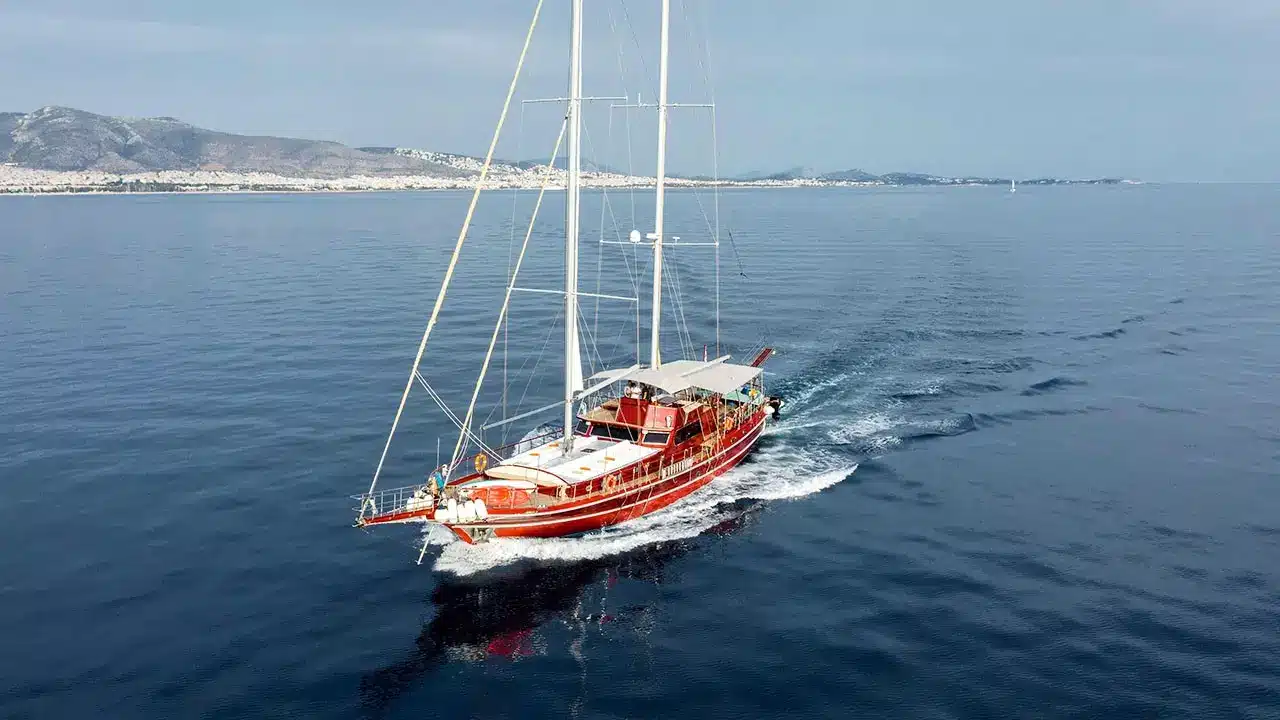
Red sailboat cruising on calm blue sea with distant coastline and hills in the background, mast towering above.
Harbor scene with several sailboats anchored in calm blue water near rocky coastline under a clear sky.

The bexst time to sail Greece is May-June and September-October, when the Aegean and Ionian seas are calm, temperatures are warm but not extreme (22-28°C), and the islands are not yet overwhelmed with summer visitors. July and August offer the warmest swimming weather but bring the Meltemi winds in the Aegean and the highest prices of the season.

Choosing when to sail matters just as much as choosing where to sail. Greece’s coastline spans several distinct sailing grounds – the sheltered Ionian, the wind-swept Cyclades, the scattered Dodecanese, and the compact Saronic Gulf – and each responds differently to the seasons. A month that delivers perfect conditions in one region might bring strong winds or overcrowded ports in another. This guide breaks down what to expect month by month, explains the Meltemi wind that defines Aegean sailing, looks at how 2026’s new tourism caps on islands like Santorini and Mykonos are changing the way people should plan their trips, and compares the best timing across Greece’s four major cruising routes.

Quick Summary Table

MonthAvg TempSea TempCrowdsPriceOur Rating
May22°C20°CLowLow★★★★☆
June26°C23°CMediumMedium★★★★★
July30°C26°CHighHigh★★★☆☆
August32°C27°CVery HighHigh★★★☆☆
September28°C25°CMediumMedium★★★★★
October23°C22°CLowLow★★★★☆


Sailing Greece Month by Month


May

Weather: May marks the true opening of the Greek sailing season. Days average around 22°C, with plenty of sunshine and cooler evenings that make for comfortable sleeping aboard. Rain is rare, and the light is soft and clear.

Sea temperature: At roughly 20°C, the sea is swimmable for most people, though it hasn’t yet reached the balmy warmth of high summer. A wetsuit is optional but appreciated by those sensitive to cooler water.

Crowds: Very low. Marinas are quiet, tavernas have space, and popular anchorages that get packed in August are often empty or hold just a handful of boats.

Prices: This is one of the most budget-friendly months to charter. Boat rental rates, mooring fees, and shoreside dining are all noticeably cheaper than peak summer.

Is it good for sailing? Yes – May is one of the best months on the calendar. Winds are generally light to moderate and predictable, making it ideal for relaxed cruising, families, and less experienced sailors. The only caveat is that some smaller island tavernas and services haven’t fully opened for the season yet.


June

Weather: June brings reliably warm, dry days with temperatures climbing to around 26°C. This is arguably the sweet spot of the Greek summer – hot enough for full beach days, but not yet oppressive.

Sea temperature: The sea warms to about 23°C, comfortable for extended swimming and water sports without hesitation.

Crowds: Moderate. School holidays haven’t started across most of Europe, so islands are livelier than in May but still far from the saturation of July and August.

Prices: Mid-range. Rates begin to rise from the May low season but remain well below the July-August peak.

Is it good for sailing? Excellent – June earns the top rating in our table. Sea and air temperatures are ideal, the Meltemi hasn’t fully established itself in the Aegean, and there’s enough energy in the ports and towns to enjoy without fighting crowds.


July

Weather: July is peak Mediterranean summer, with average temperatures around 30°C and long, cloudless days. Heat can be intense at midday, especially at anchor with no breeze.

Sea temperature: At 26°C, the water is at its warmest and most inviting for swimming, snorkeling, and diving.

Crowds: High. This is one of the two busiest months of the year, with popular islands like Mykonos, Santorini, and the Ionian hotspots seeing significant tourist traffic.

Prices: High. Charter rates, accommodation, and dining all sit at or near their seasonal peak.

Is it good for sailing? It’s a mixed picture. July delivers reliably hot, sunny weather perfect for swimming, but the Meltemi wind typically strengthens in the Aegean during this month, bringing sustained northerly winds that can reach Force 6-7 and make some passages and anchorages uncomfortable or unsafe for inexperienced crews. The Ionian Sea, on the other hand, remains largely unaffected and sails beautifully in July.


August

Weather: August is the hottest month, often exceeding 32°C, with heat that can feel intense both on land and at sea, particularly in sheltered bays with little air movement.

Sea temperature: The warmest of the year at around 27°C, ideal for swimming at any time of day.

Crowds: Very high – the busiest month in Greece. Ports, anchorages, and island towns are at their fullest, and popular routes require earlier planning and booking.

Prices: High, on par with or slightly above July, especially around the August 15th public holiday (Assumption Day), which is one of the busiest travel weekends of the Greek calendar.

Is it good for sailing? August combines the best swimming conditions with the most challenging combination of Meltemi winds, crowded anchorages, and premium pricing. Experienced sailors who enjoy brisk downwind conditions in the Aegean can find August exhilarating, but those seeking calm, relaxed cruising may prefer the Ionian or a shift to September.


September

Weather: September offers a gentle transition out of peak summer, with average temperatures around 28°C and slightly shorter, more comfortable days.

Sea temperature: Still warm at roughly 25°C, having absorbed a full summer’s worth of heat.

Crowds: Moderate, easing steadily as the month progresses and European school holidays end.

Prices: Mid-range, with rates typically softening in the second half of the month.

Is it good for sailing? Yes – September ties with June as the top-rated month. The Meltemi begins to ease, the sea remains warm from summer, and the islands regain a more relaxed, authentic pace without sacrificing reliably good weather.


October

Weather: October sees average temperatures drop to around 23°C, with occasional rain becoming more likely, particularly toward the end of the month.

Sea temperature: At about 22°C, the water is still comfortable for swimming, though noticeably cooler than the summer peak.

Crowds: Low. Many seasonal businesses begin winding down, and the islands return to a quieter rhythm.

Prices: Low, making October attractive for budget-conscious sailors and those seeking a peaceful end-of-season cruise.

Is it good for sailing? Yes, particularly in the first half of the month. Conditions are similar in appeal to May – settled weather, light winds, and near-empty anchorages – though sailors should keep an eye on the forecast for the season’s first autumn depressions later in the month.


Understanding the Meltemi Wind

What is the Meltemi?

The Meltemi is a strong, dry, northerly wind that blows across the Aegean Sea during the warmer months. It’s driven by the pressure difference between a high-pressure system over the Balkans and a low-pressure system over Turkey and the eastern Mediterranean. Winds typically run from Force 4 to 6, but can gust to Force 7 or higher on the strongest days, particularly in the afternoon.Sailors can also monitor live wind conditions before departure using Windy.

When does it happen?

The Meltemi is most active from mid-June through September, with its peak intensity typically occurring in July and August. It tends to build through the morning, strengthen through the afternoon, and ease off overnight, giving sailors a predictable daily rhythm to plan around.For current weather forecasts and marine conditions, check Meteo Greece.

Which areas are affected?

The Meltemi primarily affects the Aegean Sea, including the Cyclades, the northern Dodecanese, and the waters around Athens and Evia. Its effects are strongest in open water and funnel through channels between islands, where wind speeds can increase significantly compared to the open sea.

Which routes avoid it?

The Ionian Sea, on the west coast of Greece, is sheltered from the Meltemi entirely and offers calm, gentle sailing conditions throughout the summer. Within the Aegean, the southern Dodecanese and the Saronic Gulf experience comparatively milder Meltemi effects than the central Cyclades, making them reasonable alternatives for sailors wanting Aegean scenery with less wind exposure.


Overtourism in 2026: Why It Matters for Sailors

Greece’s most iconic islands have reached a turning point in 2026, and the changes underway are reshaping how visitors should plan their trips. Santorini, long one of the most photographed destinations in the world, now allows only 8,000 cruise passengers per day, a cap introduced to ease the pressure on the island’s narrow caldera paths, cable cars, and clifftop villages that were buckling under the weight of tourism during peak season. For travelers arriving by conventional means, this has meant longer queues, tighter scheduling, and a scramble to see the island’s highlights within a shrinking window of time.Visitors can find official travel information and destination updates on the Official Greece Travel Guide.

Mykonos has followed a similar path, introducing its own visitor restrictions aimed at controlling the flow of tourists through its famous old town and beach clubs. These measures are a direct response to years of overcrowding that strained local infrastructure, drove up prices, and diluted the very charm that made these islands famous in the first place. For anyone planning a 2026 trip to the Cyclades, it’s now essential to factor these caps and restrictions into the itinerary rather than assuming spontaneous, unrestricted access.

This is where sailing by private gulet offers a genuine advantage. Arriving by sea means bypassing the cruise terminal queues, the shuttle bus bottlenecks, and the daily passenger caps that apply to land-based and cruise ship arrivals. A private yacht can time its approach to quieter hours, anchor away from the busiest ports, and give guests the flexibility to enjoy a sunset in Oia or a stroll through Mykonos town without competing with thousands of same-day visitors. In an era where Greece’s top destinations are actively managing overtourism, sailing isn’t just a romantic way to travel – it’s becoming one of the most practical ways to actually enjoy these islands.


Best Time to Sail by Cruise Route

Ionian Sea

The Ionian is Greece’s most forgiving sailing ground, protected from the Meltemi by the mainland and largely calm from late spring through early autumn. Best months: May through October, with June and September standing out for the ideal balance of warmth and low crowds. Even July and August, challenging elsewhere in Greece, remain pleasant here, making the Ionian a strong choice for families, beginners, or anyone prioritizing relaxed conditions over wind-driven excitement.

Dodecanese

Stretching along Greece’s southeastern edge near Turkey, the Dodecanese sees a milder version of the Meltemi than the central Aegean, particularly in its southern islands like Rhodes, Symi, and Kastellorizo. Best months: May, June, September, and October, when winds are manageable and temperatures are comfortable. July and August bring stronger afternoon winds and busier ports, especially around Rhodes, but remain sailable for those with more experience.

Saronic Gulf

Close to Athens and sheltered by surrounding landmasses, the Saronic Gulf experiences some Meltemi influence but generally less severely than the open Cyclades. Best months: May, June, September, and October offer the calmest, most pleasant sailing, while its proximity to Athens makes it a popular short-charter option year-round, including July and August for those based near the capital.

Aegean (Cyclades)

This is the heart of Meltemi territory and home to the most dramatic scenery – and the most demanding sailing conditions – in Greece. Best months: May, June, and September, when winds are lighter and more predictable. July and August bring the strongest, most consistent Meltemi winds, rewarding experienced sailors with fast downwind passages but posing real challenges for beginners, along with the heaviest crowds and highest prices of anywhere in Greece.


Frequently Asked Questions


  1. What is the single best month to sail in Greece? June and September are generally considered the best overall months, offering warm temperatures, a comfortably warm sea, manageable crowds, and lighter, more predictable winds than the height of summer.
  2. Is it safe to sail in Greece during the Meltemi season? Yes, with the right preparation. The Meltemi is strong but predictable, typically building through the afternoon and easing overnight. Experienced skippers plan routes and departure times around it, and sheltered areas like the Ionian Sea and southern Dodecanese see much less impact.
  3. Which is calmer for sailing, the Ionian or the Aegean? The Ionian Sea is significantly calmer, as it’s shielded from the Meltemi by the Greek mainland. The Aegean, particularly the Cyclades, experiences the strongest and most consistent summer winds in the country.
  4. Do I need sailing experience to charter a boat in Greece? It depends on the season and route. Calmer months like May, June, September, and October, along with sheltered areas like the Ionian and Saronic Gulf, are well suited to less experienced sailors, especially with a skippered charter. Peak-season Aegean sailing in July and August is best suited to more experienced crews due to stronger Meltemi winds.
  5. How does the Santorini cruise passenger cap affect a private sailing trip? The 8,000-passenger daily cap applies primarily to cruise ship arrivals and large-scale tourism operators. Sailing by private gulet allows more flexible timing and anchoring, helping guests avoid the queues and congestion tied to that cap and enjoy the island on a more relaxed schedule.

Final Thoughts


There’s no single « best » month to sail Greece – only the best month for what you’re after. If calm water, light winds, and quiet anchorages matter most, aim for May, June, September, or October. If you want the warmest possible sea and don’t mind stronger winds, bigger crowds, and higher prices, July and August in the Ionian or the sheltered Saronic Gulf can still deliver a fantastic trip, even if the open Cyclades are best left to more experienced crews during those months.

What’s changed heading into 2026 is that timing now matters even more. With Santorini’s daily cruise passenger cap and Mykonos’s own visitor restrictions reshaping how the busiest islands operate, travelers who plan around the calendar – and who choose flexible, private sailing over fixed cruise-ship schedules – are the ones best positioned to actually enjoy these islands rather than just tick them off a list. Whichever month you choose, matching your route to the season is the single biggest factor in having a smooth, memorable Greek sailing holiday.

Planning your own Greek island adventure? Sail in Greece offers private gulet charters across the Ionian, Aegean, Dodecanese, and Saronic – get in touch to find the best route and season for your trip.You can also explore more about Greece’s islands and travel experiences through the Official Greece Travel Guide.

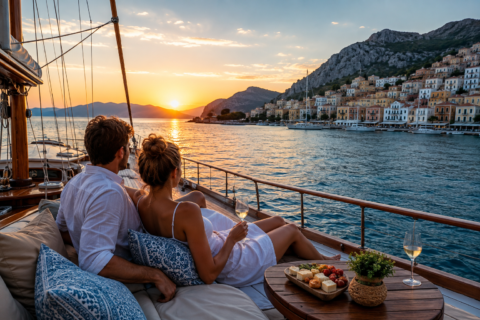
Amour à bord

Amour à bord :
Pourquoi une croisière pourrait bien être la meilleure thérapie de couple
Tout le monde parle toujours de façons de « redonner un souffle nouveau à sa relation » :

Dîners romantiques en tête-à-tête,
petites escapades à l’hôtel,
marathons de films sur le canapé (avec des plats à emporter, bien sûr).

Tout cela est charmant… mais si vous emmeniez plutôt votre histoire d’amour en mer ?

Parce qu’il faut le dire : une croisière, ce n’est pas juste un voyage de plus.
C’est un énorme bouton de réinitialisation pour les couples
qui veulent rire, se détendre et se rappeler
pourquoi ils ont choisi de naviguer ensemble dans la vie
dès le départ.
Des vacances sans emploi du temps (et sans jérémiades)
Oubliez les horaires stricts :
« À 10h, on fait les musées, à 12h, shopping… »

Sur une croisière, l’emploi du temps ressemble plutôt à ceci : se réveiller quand on en a envie. Plonger dans l’eau quand elle vous appelle. Ouvrir une bouteille… simplement parce qu’on le peut.

Et le meilleur dans tout ça ? Personne ne se plaint d’être en retard.
La seule horloge qui compte ici, c’est le soleil.
Les meilleures histoires commencent en mer
Réfléchissez-y : vous souvenez-vous vraiment de ce week-end hôtelier au hasard… ou du moment où vous avez essayé de mettre de la crème solaire l’un sur l’autre avec des vents de 20 nœuds ?

Ce sont les moments maladroits, drôles et imprévisibles qui se transforment en histoires que vous raconterez pendant des années — et qui renforcent encore davantage votre lien.
Le véritable luxe : du temps passé ensemble
Voici le secret : le véritable luxe d’une croisière n’est pas le gulet. C’est le fait d’avoir enfin le temps et l’espace pour simplement être ensemble. Rire, parler, rêver — ou ne rien dire du tout et simplement regarder l’horizon comme deux adolescents tombant amoureux à nouveau.

En conclusion, une croisière n’est pas « juste des vacances de plus ».
C’est la façon la plus heureuse, la plus drôle, la plus romantique et légèrement folle d’apporter une énergie nouvelle à votre relation. Parce qu’en mer, il ne s’agit pas de savoir qui a toujours raison… mais de savoir qui vous serre fort quand le vent se lève.

Un avant-goût de l’hospitalité grecque

Un avant-goût de l’hospitalité grecque
• Repas et boissons à bord d’un goélette

Lors d’une croisière en goélette, les repas font partie intégrante de l’expérience. Du petit-déjeuner détendu aux plats grecs faits maison au bord de la mer, chaque repas a sa saveur particulière.

Quels repas et boissons puis-je savourer lors d’une croisière en goélette ?

Bien sûr, les eaux turquoise et la découverte des îles au rythme lent sont les moments forts de toute croisière en goélette — mais si vous demandez aux anciens passagers ce qui les a vraiment surpris, beaucoup répondront : la cuisine.

Voici un aperçu simple et sincère des repas et boissons auxquels vous pouvez vous attendre en naviguant.
Petit-déjeuner : simple, frais et satisfaisant

Il y a quelque chose dans le fait de commencer la journée sur l’eau qui rend le petit-déjeuner spécial. Les matins à bord sont détendus, avec un buffet qui comprend généralement :
  • Pain et viennoiseries fraîchement sortis du four
  • Œufs, céréales, charcuteries, fromages
  • Yaourt grec et fruits de saison
  • Café, lait et jus

Rien de compliqué — juste une bonne nourriture fraîche pour donner de l’énergie à votre journée.
Déjeuner & dîner : saveurs grecques maison

Les repas à bord mettent l’accent sur une cuisine grecque familiale — fraîche, locale et réconfortante. Le déjeuner et le dîner suivent souvent un format simple en 3 plats :
  • Entrées (comme des feuilletés au fromage ou des feuilles de vigne farcies)
  • Salades fraîches aux ingrédients de saison
  • Un plat principal (moussaka, poulet grillé, pâtes — cela varie chaque jour)
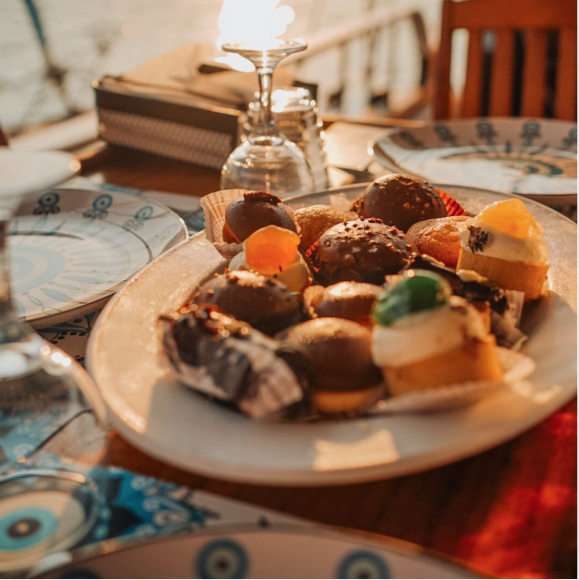
  • Un dessert léger ou des fruits frais

Les menus sont flexibles et ajustés quotidiennement, en fonction des préférences du groupe et en coordination avec le capitaine.
Boissons : simples & personnalisables

Il existe trois principales options pour les boissons à bord :
  • Précommander vos boissons préférées à l’avance
  • Commander au fur et à mesure depuis le bar du bord
  • Apporter les vôtres (avec un petit droit de bouchon)

L’eau est servie gratuitement à chaque repas, et de l’eau en bouteille supplémentaire est disponible moyennant un petit supplément.
Quelques points à garder en tête
  • Les repas sont généralement de style grec, servis dans une ambiance détendue.
  • Il n’y a pas d’horaires fixes pour les repas — ils sont organisés chaque jour selon le programme du groupe.
  • Les aliments et boissons extérieurs ne sont pas autorisés, sauf accord préalable (avec droit de bouchon).
C’est plus qu’un simple repas

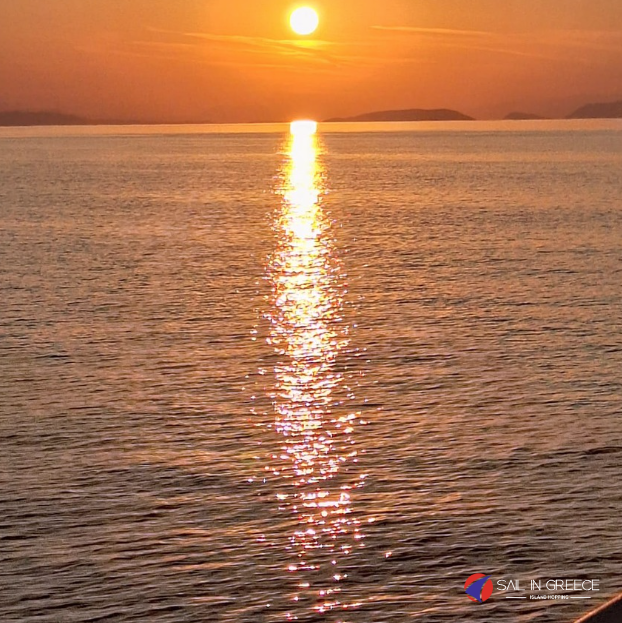
Prendre ses repas sur une goélette est une expérience à la fois décontractée et conviviale. Il s’agit de partager un moment à l’ancre, de profiter d’une baie tranquille ou de regarder le soleil se coucher un verre de vin à la main. C’est simple, mais inoubliable — tout comme le reste du voyage.

Une journée à bord d’un goélette

De l’ouzo à la brise marine : Une journée en goélette naviguant en Grèce


Voyager en Grèce, ce n’est pas juste des vacances. C’est un voyage d’expériences, de senteurs, de saveurs et d’activités inoubliables. Et c’est exactement ce que vous vivrez en naviguant sur l’une des goélettes de Sail in Greece. Curieux de savoir à quoi ressemble une journée à bord d’une goélette ? Lisez la suite : • Votre journée commence lorsque vous vous réveillez et sortez sur le pont, prêt à découvrir la prochaine île. • Un buffet de petit-déjeuner copieux vous attend, avec une grande variété de délices. •Au fil de la journée, en arrivant sur une nouvelle île, vous pouvez choisir de plonger directement depuis le bateau dans les eaux cristallines et bleu azur.


• Pendant que l’équipage prépare un buffet déjeunatoire grec traditionnel, vous pouvez déguster votre shot local préféré — un verre d’ouzo. Anis et souvlaki de porc grec — une alliance toujours parfaite. • Plus tard dans la journée, la goélette accoste dans un port voisin, et vous êtes libre d’explorer les ruelles étroites, entourées de bougainvilliers et des senteurs estivales. Bien sûr, les tavernes locales vous attendent, prêtes à vous servir des plats traditionnels savoureux. • Le soir venu, vous regagnez la goélette pour profiter de la fraîche brise insulaire. Vous pouvez dormir sur le pont, en regardant le lever du soleil, ou simplement savourer la magie de ce que nous appelons « l’Été grec ».


8 Must-Do in Greece

Greece is a treasure trove of history, culture, and natural beauty, making it one of the most desirable travel destinations in the world. Whether you’re a history buff, a beach lover, or a foodie, this Mediterranean gem offers something for everyone. If you’re planning your 2025 Greek getaway, here are the top must-do experiences to include on your itinerary.

1.  Visit the Best Beaches in Greece


Greece is synonymous with pristine beaches and crystal-clear waters. Here are some of the most stunning beaches you shouldn’t miss:

  • Navagio Beach (Zakynthos) – Famous for the shipwreck and dramatic cliffs.

  • Palaiokastritsa Beach (Crete) – Known for its pink sand and turquoise waters.

  • Myrtos Beach (Kefalonia) – A spectacular beach surrounded by steep cliffs.

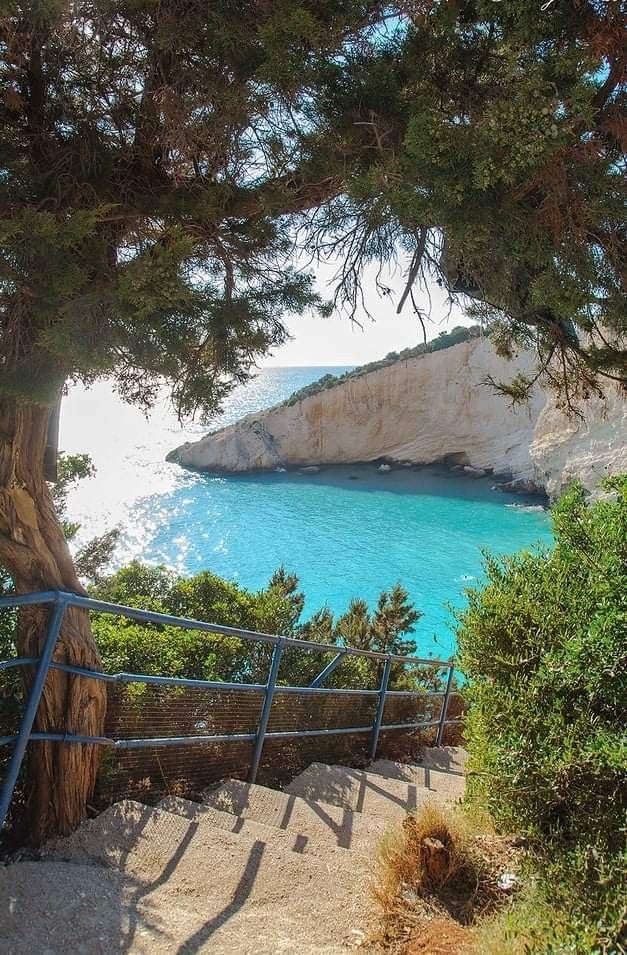
  • Porto Katsiki Beach (Lefkada) – Offers a blend of golden sand and crystal waters.

  • Saint Paul’s Bay (Rhodes) – A lunar-like landscape with white volcanic rock formations.

These iconic beaches are accessible on our curated Greek island cruises:

Each cruise is designed to bring you up close to Greece’s most breathtaking coastal locations.


2. Discover the Best UNESCO World Heritage Sites 

Greece is home to 18 UNESCO World Heritage sites that reveal the country’s deep-rooted history. Among the most awe-inspiring is Meteora, a complex of rock formations topped with centuries-old monasteries. These monasteries, perched high on sandstone cliffs, offer not only spiritual insight but also panoramic views.

If you are interested in visiting Meteora, you may contact us through email at groups@sail-ingreece.com to ensure you get an immersive experience, with expert-led insights into the religious, cultural, and historical significance of the site.

3. Enjoy a Variety of Excursions 

From archaeological adventures to nature walks and cultural tours, Greece offers a wide range of excursions:

  • Delphi Day Tour – Visit the legendary Oracle and Temple of Apollo.

  • Hiking in Samaria Gorge (Crete) – Ideal for nature lovers.

  • Corfu Old Town Walking Tour – A charming stroll through Venetian architecture.

  • Olive Oil and Wine Tastings – Explore Greece’s gastronomic heritage.

These curated experiences can be added to your travel package to enhance your journey.

4. Explore Ancient Athens

No visit to Greece is complete without experiencing Ancient Athens. Highlights include:

  • The Acropolis and Parthenon – Towering over the city, these monuments are a testament to ancient Greek civilization.

  • The Agora – Once the heart of public life in ancient Athens.

  • Temple of Hephaestus – One of the best-preserved Greek temples.

Modern Athens offers a beautiful contrast with its vibrant neighborhoods like Plaka, Psiri, and Monastiraki—perfect for exploration on foot.

If you are interested in visiting Ancient Athens, you may contact us through email at groups@sail-ingreece.com.


5. Eat Traditional Greek Food 

Greek cuisine is a delicious journey through fresh ingredients and timeless recipes. Must-try dishes include:

  • Moussaka – A layered eggplant and meat casserole.

  • Souvlaki – Skewered grilled meat, often served with pita.

  • Dolmades – Stuffed grape leaves.

  • Spanakopita – A savory spinach and cheese pastry.

  • Baklava – A sweet dessert made of filo pastry, nuts, and honey.

Don’t forget to sip some Ouzo or Tsipouro, and finish off your meals with local Greek yogurt and honey.


6. Visit the Ionian Islands 

The Ionian Islands are an iconic island group known for their whitewashed buildings and blue-domed churches. Key islands to visit include:

  • Paxos– Famous for its sunsets and volcanic beaches.

  • Corfu  – Known for its cosmopolitan vibe and lively nightlife.

  • Zante – A more relaxed island with traditional villages.

  • Lefkada – Offers a blend of beaches, history, and agriculture.

Our Ionian Cruise & Zante Cruise offer a convenient way to explore multiple islands, with guided tours, beach stops, and cultural insights.

7. Experience Greece’s Coffee Culture 

Coffee in Greece is more than just a beverage—it’s a ritual. Join locals at a traditional kafeneio or modern café and savor:

  • Greek Coffee – Strong and served with grounds.

  • Freddo Espresso or Cappuccino – Iced coffee drinks perfect for summer.

  • Frappe – A foamy iced coffee made with instant coffee.

Whether in a bustling square in Athens or a quiet island village, coffee time is a moment to relax and socialize.

8. Discover Greece’s Best Museums

Greece is a dream for museum lovers. Must-visit institutions include:

  • The Acropolis Museum (Athens) – Showcasing artifacts from the Acropolis.

  • National Archaeological Museum (Athens) – Home to Greece’s greatest ancient treasures.

  • Museum of Byzantine Culture (Thessaloniki) – A deep dive into the Byzantine Empire.

  • Archaeological Museum of Heraklion (Crete) – Highlighting Minoan civilization.

  • Benaki Museum (Athens) – A mix of ancient, Byzantine, and modern Greek art.

These museums offer fascinating insights into the country’s layered past.

If you are interested in visiting museums, you may contact us through email at groups@sail-ingreece.com.


9. Discover The Best Greek Islands 

Beyond the Cyclades, Greece is home to over 200 inhabited islands, each with its own charm:

  • Rhodes – Medieval architecture and sunny beaches.

  • Mykonos –  Vibrant lifestyle and immersive beaches 
  • Corfu – Lush landscapes and Venetian influence.

  • Kefalonia – Ideal for nature lovers and beachgoers.

  • Hydra – Car-free and artist-friendly.

Explore some of these islands through our tailored cruises:

Final Thoughts

From lounging on pink-sand beaches to sipping Greek coffee in a sun-drenched square, Greece offers a rich tapestry of experiences. Make your 2025 holiday unforgettable by including these must-do activities, and let our exclusive cruises and tours guide you through the best of what Greece has to offer.

For bookings, availability, and custom itineraries, reach out to our travel specialists today and start planning your dream Greek getaway.

Comparaison : Voile vs Croisières

Voile vs croisière : Comparaison entre liberté, expérience et navigation

Lorsqu’ils envisagent des vacances sur l’eau, la plupart des voyageurs se divisent en deux camps : ceux attirés par la grande indépendance de la voile et ceux qui préfèrent le luxe structuré des croisières. Si les deux offrent des expériences maritimes inoubliables, leur façon d’offrir aventure, liberté et connexion avec la mer est on ne peut plus différente.

                                                                                                       Photo by Peter Hansen on Unsplash

Nous comparerons la voile et les croisières selon trois piliers clés : la liberté, l’expérience et la navigation. Cela permettra à tous ceux qui hésitent entre hisser les voiles ou embarquer sur un navire géant en 2025 de mieux comprendre.

Croisière ou navigation fluviale : deux voies vers la tranquillité

L’un des facteurs clés est la recherche de liberté sur l’eau, car c’est probablement la raison pour laquelle vous vous êtes lancé dans cette aventure. Voyons ce que la voile et les croisières offrent lorsqu’elles se déroulent sur une rivière sinueuse plutôt qu’en pleine mer.


Croisières fluviales : Confort guidé et richesse culturelle

Les croisières fluviales offrent une expérience totalement différente, alliant exploration guidée et confort d’un accueil complet. Ces navires sont longs, bas et conçus pour l’intimité des voyages intérieurs. Les croisières sur le Danube, le Rhin, le Mékong ou le Mississippi proposent des itinéraires structurés qui optimisent les visites, avec souvent la présence d’historiens ou d’experts locaux à bord pour une meilleure compréhension de chaque région.

Cela est particulièrement évident au cœur de l’Europe, où les itinéraires sur le Danube et le Rhin serpentent à travers un paysage de villes historiques, de vignobles et de châteaux, vous offrant des siècles de culture directement à votre porte.

La liberté lors d’une croisière fluviale est limitée en termes de navigation, mais riche en offres culturelles et culinaires. Vous ne piloterez pas le navire et ne déciderez pas de votre itinéraire, mais vous aurez accès à des excursions sur mesure, des dégustations de vins et des spectacles locaux directement depuis la passerelle.

Tout est organisé à l’avance : autorisations d’amarrage, restauration, divertissements et transport terrestre. C’est la liberté de ne rien planifier, pas la liberté de mouvement.

Navigation fluviale : voies navigables paisibles et itinéraires immersifs

Naviguer sur une rivière offre une expérience profondément paisible, pittoresque et proche de la terre. Contrairement à la navigation en haute mer, où l’on est soumis aux marées et aux eaux libres, les rivières offrent des conditions calmes et un littoral omniprésent.

Vous naviguerez généralement sur des embarcations plus petites, comme des sloops ou des péniches traditionnelles, capables de naviguer dans des chenaux plus étroits et des eaux moins profondes. Cet environnement est idéal pour une exploration tranquille, où vous pourrez accoster à votre guise dans des hameaux isolés ou des coins de campagne non balisés.

Personal freedom is enhanced by the absence of waves and harsh winds, making river sailing ideal for those newer to the helm. You still get the benefit of flexibility—changing course, stopping spontaneously, or anchoring near a vineyard or river café. 

Selon le pays, certains fleuves nécessitent un permis, la connaissance des systèmes d’écluses ou de la réglementation de la navigation intérieure. Des destinations populaires comme la vallée de la Loire en France ou le Douro au Portugal offrent une riche immersion culturelle dans des conditions de navigation agréables.

Expériences à bord et à terre

Nous allons maintenant plonger (sans jeu de mots) dans les expériences à bord et à terre.

Voile : Intimité, Authentique et Immersion

La voile offre une connexion immersive avec la nature, la culture et la vie maritime. Avec seulement quelques passagers, parfois même votre propre groupe, vous vivrez une intimité inédite sur les paquebots de croisière. Vous pourrez sentir le vent tourner, entendre l’eau clapoter contre la coque et vibrer au rythme de la mer.

À terre, les marins peuvent explorer des lieux que les navires de croisière surplombent. Il s’agit souvent de petits villages de pêcheurs, d’îles méconnues ou de tavernes locales dépourvues d’infrastructures touristiques. Au lieu de débarquer avec des centaines de passagers, vous jetez l’ancre à votre rythme et découvrez des lieux à votre rythme. Des destinations comme les Grenadines, les Sporades ou l’archipel croate des Kornati sont idéales pour les découvrir.

Les hébergements, bien que plus petits, sont plus personnalisés. Vous dormez à la belle étoile ou dans des cabines douillettes, vous vous réveillez au lever du soleil et préparez vos propres repas, ou savourez la cuisine locale à terre. L’expérience est moins axée sur le luxe que sur les liens, avec votre groupe de voyage et la nature.

Croisières : Luxe, divertissement et convivialité

Les navires de croisière proposent des complexes hôteliers flottants dotés d’équipements 5 étoiles : spas, casinos, cinémas, centres de fitness, bars à thème et restaurants gastronomiques. Des couples aux familles avec de jeunes enfants, il y en a pour tous les goûts. L’offre de divertissements à bord est inégalée, avec des comédies musicales de Broadway, des cours de cuisine, des conférences et des boutiques haut de gamme souvent inclus.

À terre, les excursions s’adressent au tourisme de masse. Les excursions sont organisées à l’avance et rapides, permettant aux passagers de découvrir les attractions les plus populaires. Bien qu’efficaces, ces excursions manquent souvent de profondeur et d’authenticité par rapport à une exploration autonome. Il est peu probable que vous tombiez sur un café caché ou que vous nouiez des liens personnels avec les habitants lors d’une excursion organisée de trois heures.

Néanmoins, l’expérience de croisière excelle par son ampleur et sa diversité. Vous pourriez visiter cinq pays en une semaine sans avoir à défaire vos valises. La commodité, la variété des options de restauration et l’accès aux soins médicaux à bord rendent les croisières particulièrement attrayantes pour les groupes multigénérationnels ou ceux qui recherchent la simplicité du tout compris.

                                                                                                       Photo by Artem Verbo on Unsplash

Navigation et sens marin

C’est là que résident les principales différences, mais uniquement si vous souhaitez naviguer sans capitaine. Nous y reviendrons plus loin.

Voile : Compétences pratiques et maîtrise de la navigation

La navigation est au cœur de l’expérience de navigation, que vous naviguiez sur un catamaran dans les Caraïbes ou sur un monocoque en Méditerranée. GPS, cartes marines, radios VHF et routage météo jouent tous un rôle essentiel, et les marins doivent savoir interpréter la direction du vent, lire les courants et réagir aux problèmes mécaniques.

Même avec un skipper, les passagers sont souvent encouragés à participer : apprendre à hisser les voiles, à faire des nœuds ou à barrer à la voile. Cet engagement développe le sens marin et offre un défi enrichissant. Des formations comme le Day Skipper de la Royal Yachting Association (RYA) ou le cours 104 de l’American Sailing Association sont populaires auprès des novices qui souhaitent acquérir des compétences avant de prendre le large.

Croisières : Transport passif et envergure mondiale

La navigation à bord des navires de croisière est une activité professionnelle entièrement assurée par des capitaines diplômés, des ingénieurs navals et des équipements de pointe. Les paquebots de croisière modernes sont des merveilles d’ingénierie maritime, capables de parcourir des milliers de milles nautiques avec une précision remarquable. Ces navires respectent les protocoles maritimes internationaux, utilisent la navigation par satellite et cartographient les conditions météorologiques longtemps à l’avance.

Les passagers ignorent généralement la complexité de la navigation en coulisses. Cette expérience sans intervention est idéale pour les voyageurs qui préfèrent ignorer les mécanismes du mouvement. Vous n’apprendrez pas à naviguer ni à lire les étoiles, mais vous profiterez d’une traversée fluide entre les ports tout en sirotant du champagne sur le pont supérieur.

                                                                                                Photo by Ludomił Sawicki on Unsplash

Note finale – Quelle est la formule idéale pour vous ?

Choisir entre la voile et les croisières se résume souvent à une question d’exploration ou de plaisir. Cependant, l’émergence d’expériences hybrides, comme les petits yachts d’expédition ou les catamarans éco-luxueux, brouille désormais les frontières.

Ces options innovantes proposent des itinéraires sur mesure laissant une place à la spontanéité, s’adressant aussi bien aux aventuriers qu’aux amateurs de confort. Face à l’évolution des tendances voyage en 2025, le choix le plus judicieux pourrait être celui qui allie liberté et luxe plutôt que de vous forcer à choisir un camp.

Consultez d’autres articles de blog sur la voile en Grèce ici.

Le guide de voyage ultime de Corfou

Corfou : le guide de voyage ultime

Tout ce que vous devez savoir avant de visiter cette île grecque paradisiaque

Si vous rêvez d’eaux cristallines, de paysages luxuriants et d’une histoire riche de plusieurs siècles, Corfou devrait figurer en tête de votre liste de voyages en Grèce. Cette île magnifique, située dans la mer Ionienne, au large de la côte nord-ouest de la Grèce, allie influences vénitiennes, françaises et britanniques au charme grec traditionnel, offrant aux visiteurs une expérience unique et inoubliable.

Dans ce guide, vous découvrirez tout ce que vous devez savoir pour visiter Corfou, de son histoire fascinante et ses sites incontournables aux plus belles plages, restaurants, boutiques et excursions.

Une brève histoire de Corfou

L’histoire de Corfou est aussi riche et complexe que ses paysages. Habitée depuis le Paléolithique, l’île a joué un rôle central tout au long de l’histoire grâce à sa position stratégique entre l’Europe et l’Orient.

Dans l’Antiquité, Corfou était une puissante puissance navale. Elle fut notamment impliquée dans la première bataille navale de l’histoire grecque et joua un rôle important dans la guerre du Péloponnèse. Au fil des siècles, Corfou fut gouvernée par les Vénitiens, les Français et les Britanniques, qui ont tous laissé leur empreinte sur l’architecture, la cuisine et la culture de l’île.

Contrairement à une grande partie de la Grèce, Corfou n’est jamais tombée sous la domination ottomane, ce qui lui confère un caractère européen unique. Aujourd’hui, la vieille ville de Corfou, classée au patrimoine mondial de l’UNESCO, témoigne de son histoire complexe, jalonnée de ruelles pavées étroites, de demeures majestueuses et d’impressionnantes forteresses.

Best Beaches in Corfu

Corfou possède certaines des plus belles plages des îles grecques. En voici quelques-unes à ne pas manquer :

1. Plage de Paleokastritsa

Ses eaux turquoise et son décor de collines verdoyantes font de Paleokastritsa l’une des plages les plus célèbres de Corfou. Elle est idéale pour la plongée avec tuba, la baignade et les excursions en bateau.

2. Plage de Glyfada

Préférée des habitants et des touristes, Glyfada offre du sable doré, des eaux claires et d’excellents bars de plage.

3. Sidari et le Canal d’Amour

Sur la côte nord, la plage de Sidari est célèbre pour ses formations de grès uniques et le romantique Canal d’Amour, où, selon la légende, les couples qui le traverseront à la nage se marieront bientôt.

4. Plage de Barbati

Une plage de galets aux eaux cristallines, idéale pour ceux qui recherchent une ambiance plus calme et plus détendue.

5. Plage d’Issos

Située au sud, Issos dispose de larges plages de sable et d’une réserve naturelle protégée à proximité : idéale pour les amoureux de la nature.

Excursions et excursions d'une journée au départ de Corfou

Corfou offre de nombreuses excursions mémorables, sur terre comme en mer :

1. Excursion en bateau vers Paxos et Antipaxos

Partez en bateau vers les îles voisines de Paxos et Antipaxos, célèbres pour leurs impressionnantes grottes bleues et leurs eaux translucides.

2. Safaris en jeep sur l’île

Explorez l’intérieur sauvage de Corfou, ses charmants villages et ses oliveraies lors d’une aventure tout-terrain.

3. Excursions œnologiques à Corfou

L’industrie viticole de Corfou est en plein essor. Visitez les vignobles locaux pour déguster des cépages locaux comme le Kakotrygis.

4. Village de pêcheurs de Kassiopi

Un pittoresque village balnéaire du nord-est, idéal pour une journée décontractée de déjeuners de fruits de mer et de promenades côtières.

5. Visites pédestres de la ville de Corfou

Participez à une visite guidée à pied pour découvrir des ruelles cachées, des demeures historiques et des légendes locales.

Practical Travel Tips for Visiting Corfu
Meilleure période pour visiter :
De fin avril à début juin et de septembre à octobre, la météo est idéale, sans foule intense. S’y rendre : En avion : L’aéroport international de Corfou (Ioannis Kapodistrias) accueille des vols internationaux et nationaux. En ferry : Des ferries réguliers relient Corfou à la Grèce continentale (Igoumenitsa) et à l’Italie. Se déplacer : Location de voiture : Fortement recommandée pour explorer au-delà de la ville de Corfou. Bus : Un moyen abordable de visiter les plages et les villages populaires. Taxis et bateaux-taxis : Disponibles, mais peuvent être coûteux en haute saison.
Réflexions finales : pourquoi Corfou devrait être votre prochaine destination sur une île grecque
Corfou offre une combinaison rare de beauté naturelle, d’histoire riche, de culture cosmopolite et de chaleureuse hospitalité grecque. Que vous flâniez dans les charmantes rues de la ville de Corfou, que vous vous prélassiez sur les plages dorées ou que vous dîniez en plein air sous les étoiles, chaque instant passé sur cette île est un rêve. Idéale pour les couples, les voyageurs en solo et les familles, Corfou se distingue parmi les joyaux scintillants des îles grecques. Alors, faites vos valises, préparez vos sens et laissez-vous séduire par Corfou, une destination inoubliable.