What’s It Really Like on a Gulet Cruise in Greece?

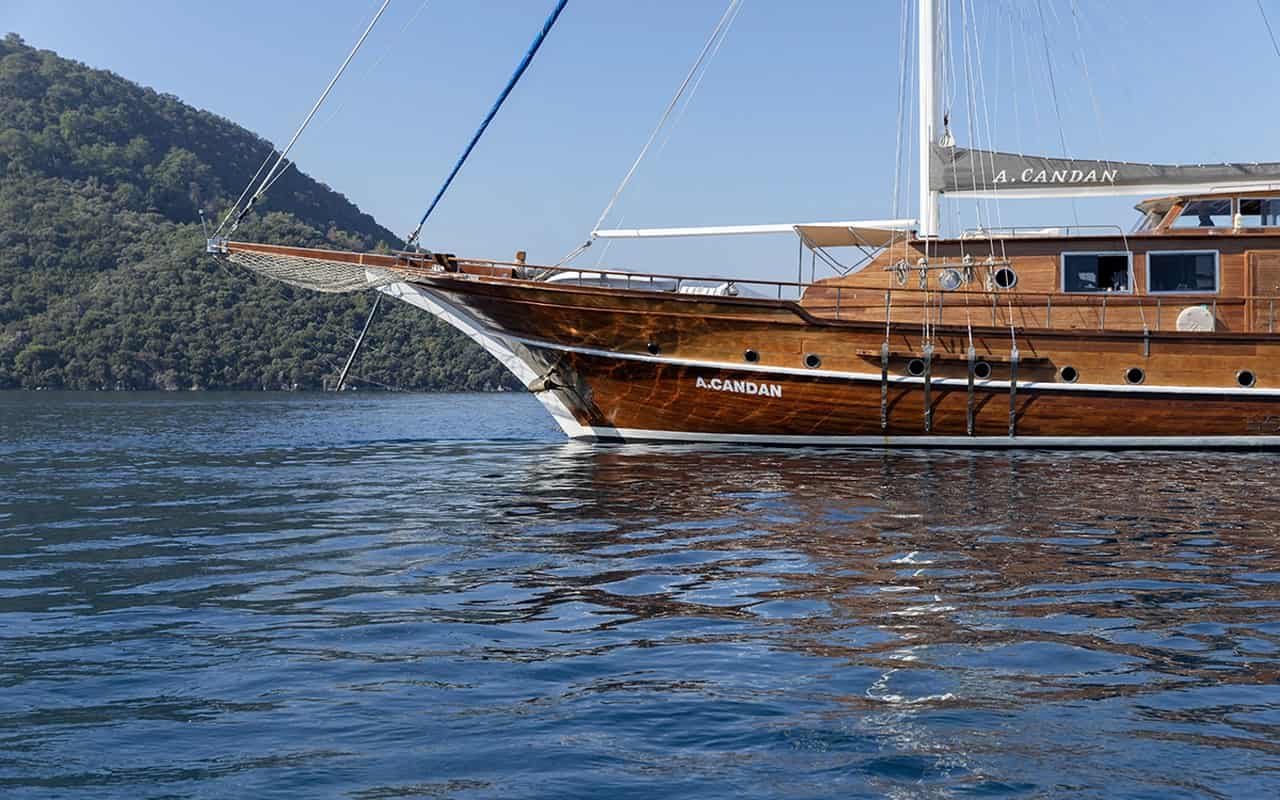
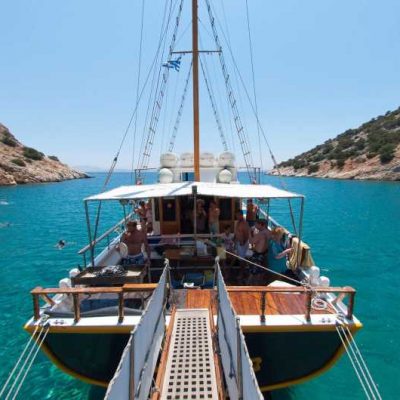
Wooden sailing yacht on calm blue water with forested hills in the background; hull reads 'A. Candan'.
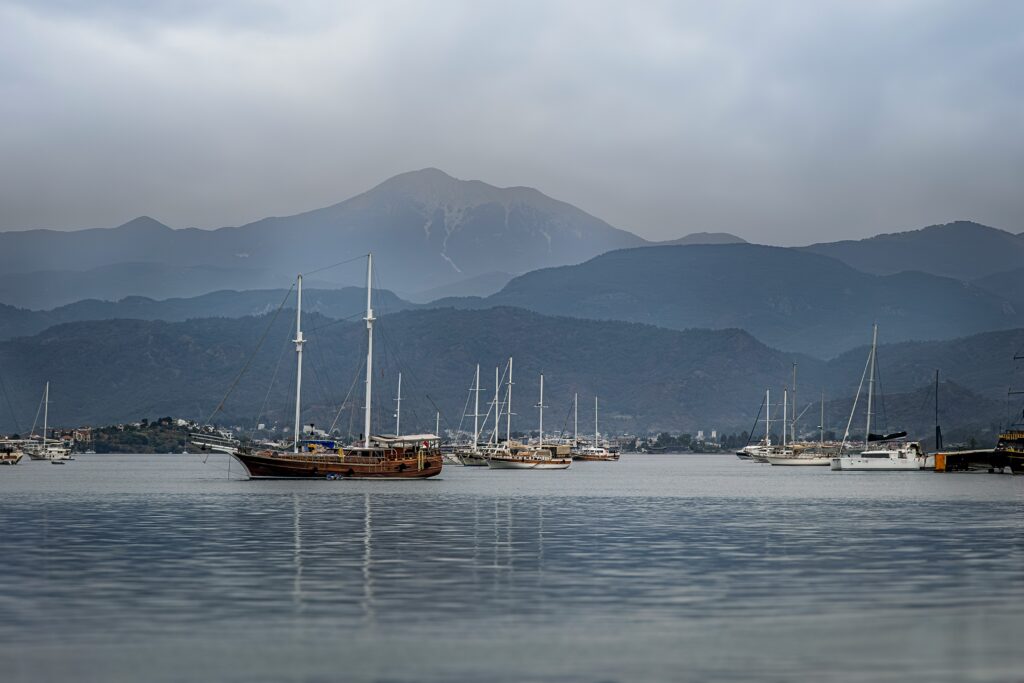
Sailboats docked in a calm harbor with a hazy mountain range in the background. A prominent wooden boat is in the foreground.

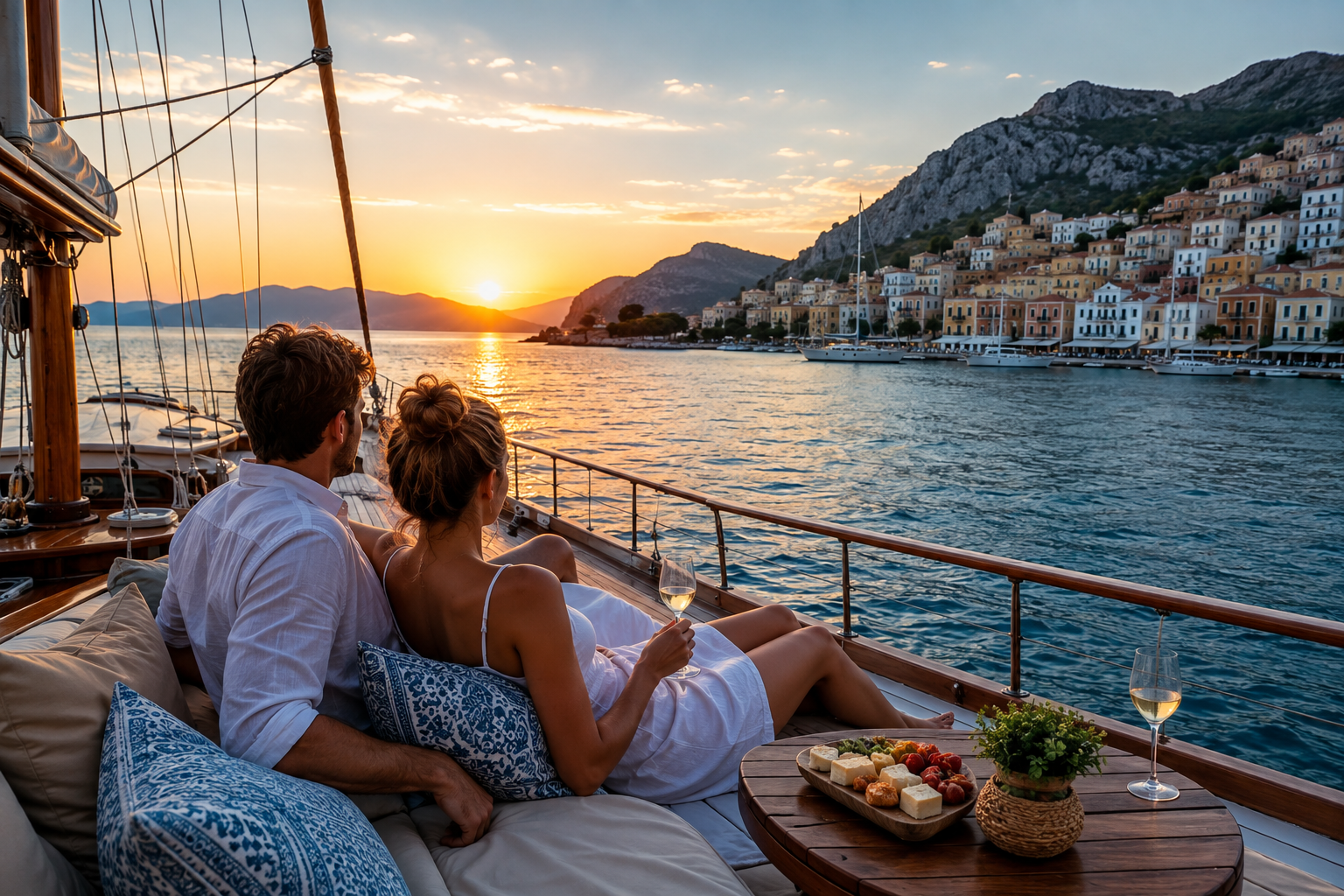
A gulet cruise in Greece is one of those travel experiences that’s almost impossible to explain without having done it. It’s part sailing adventure, part beach holiday, part social experiment – and entirely unlike any other way of exploring the Greek islands. Here’s what a week on board is actually like, from the moment you step on deck to the bittersweet Saturday morning goodbye.

What Is a Gulet?

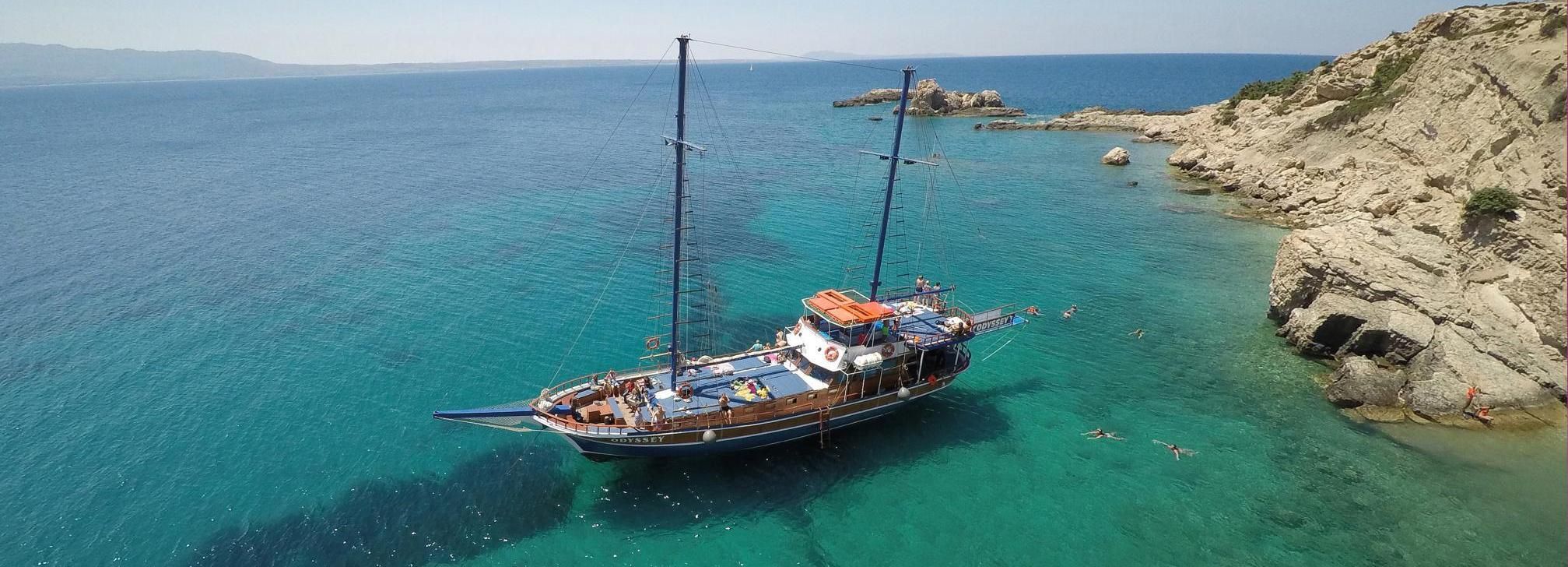
Before I did this trip, I genuinely didn’t know what a gulet was. I pictured something between a yacht and a pirate ship, and honestly, that’s not far off. A gulet is a traditional wooden sailing vessel, originally built by Turkish and Greek boat builders for fishing and cargo, that’s since been converted into a comfortable (if compact) cruising boat. Think wide wooden decks, a shaded dining area, sun loungers up top, and a handful of cabins tucked below.

Unlike a big cruise ship, a gulet usually carries somewhere between 15 and 40 guests, plus a small crew – a captain, a chef, and a couple of deckhands. There’s no theatre, no casino, no ten different restaurants. What you get instead is something much simpler: the sea, a handful of islands, good food, and a group of strangers who become friends faster than you’d expect.

Day 1 – Arriving in Port


I remember standing on the dock with my suitcase, squinting at rows of wooden boats trying to figure out which one was mine. There’s a nervous energy to that first afternoon. You check in, someone shows you to your cabin, and you dump your bags in a space that’s smaller than you imagined but somehow feels exactly right once you’re actually there.

Day one is all about settling in. You meet your cabin mates if you’re travelling solo, you get the safety briefing, and you start clocking faces – the couple from Manchester, the group of friends from Melbourne, the solo traveller who “just needed a break.” Nobody knows each other yet. By the time the boat pulls away from the harbour, though, that awkwardness starts melting fast. There’s usually a welcome dinner that first night, and it’s the first proper chance to actually talk to the people you’ll be spending the next week with.

A Typical Day at Sea


Ask anyone who’s done a gulet cruise what surprised them most, and most people will say the same thing: how relaxed the routine is. There isn’t really a “typical” day so much as a rhythm you fall into.

Mornings start early, but not in a bad way. You wake up to the gentle rock of the boat, the smell of coffee drifting up from the galley, and morning breakfast laid out on deck – fresh bread, yoghurt, honey, fruit, maybe some eggs if the chef is feeling generous. Eating breakfast with the sea stretching out in every direction is one of those small pleasures that gets old the least out of everything on the trip.

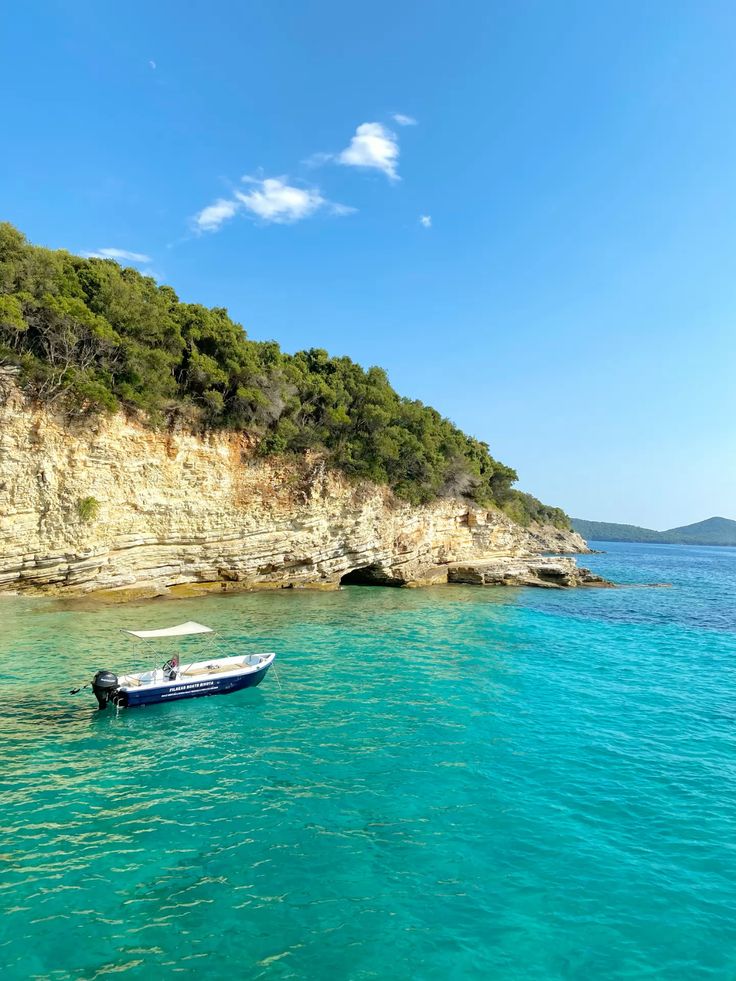
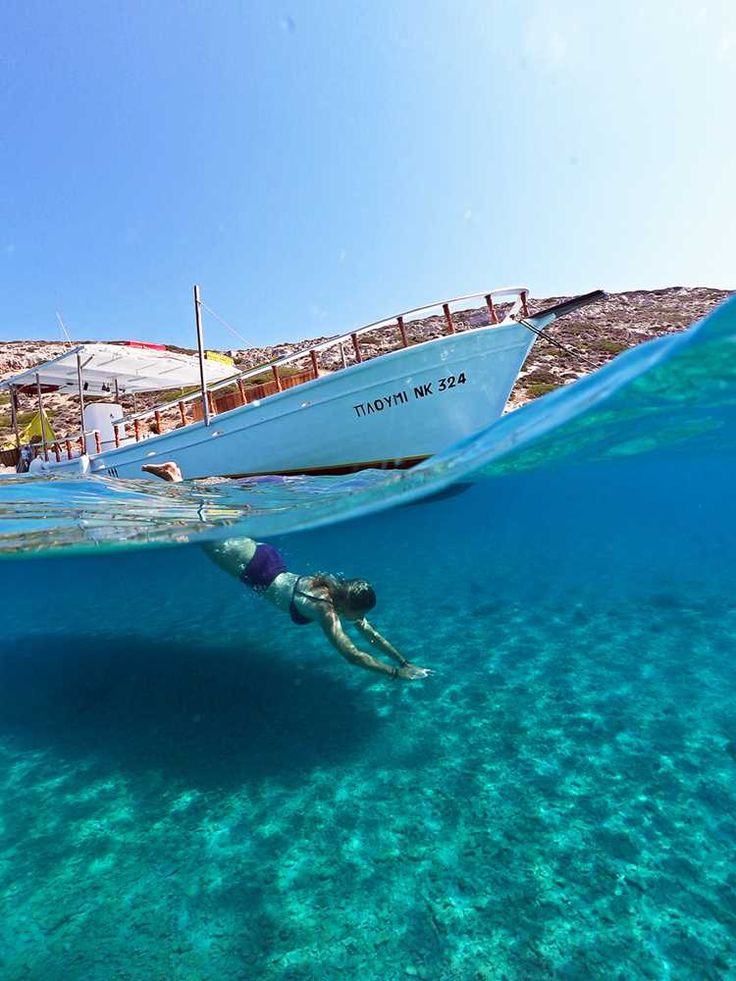
After breakfast, the boat sets sail for the next stop. Most days include at least one, often two, swimming stops in bays that you genuinely can’t reach any other way – no roads, no crowds, just turquoise water and the boat anchored a few metres offshore. One of the standout moments most people talk about is the Blue Lagoon at Sivota, a stretch of impossibly clear water tucked into the Ionian coastline that looks almost artificial, like someone added a filter to real life.

Lunch happens on board, usually after a swim, and then the afternoon is yours – nap on deck, read a book, jump in again, chat with whoever’s around. By late afternoon, the boat is usually pulling into that night’s port.Before setting sail, many travellers check live wind and weather conditions using Windy.

Evenings in Port


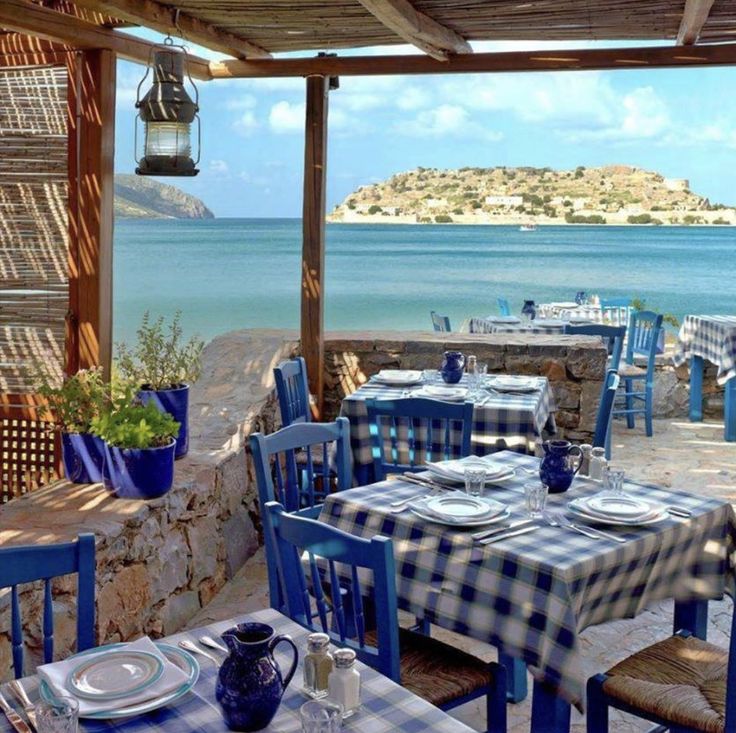
This is where the day shifts gear. Once the boat is docked, you’ve got a few hours before dinner to wander the small island village you’ve pulled into – cobbled streets, tavernas with plastic chairs and unbeatable views, little shops selling sandals and jewellery. Some of these villages barely register on a map, which is exactly the point. You’re not seeing the Greece from the postcards; you’re seeing the Greece that’s still just getting on with its own life.

One evening that stands out on most itineraries is a stop in Plataria, where there’s often an olive oil tasting arranged with a local producer. It sounds like a small thing until you’re actually sitting there dipping bread into oil that was pressed a few kilometres away, listening to someone explain the difference between varieties you never knew existed. It’s the kind of detail that makes the trip feel like more than a beach holiday.

Dinner is either back on the boat or at a taverna in port, depending on the night, and the highlight of the week for a lot of people is the Captain’s Dinner – a slightly dressed-up final evening where the crew puts on a proper spread, and there’s usually a bit of dancing, some toasts, and a lot of photos being taken. It has a bittersweet feel to it, because everyone knows what it means: the trip’s nearly over.

The Food on Board


I wasn’t expecting much from boat food, if I’m honest. What actually happens is that most gulets have a chef cooking fresh meals daily, and it’s genuinely one of the better parts of the trip. Breakfast is simple and plentiful. Lunch is usually a spread of Greek dishes – salads, grilled meat or fish, dips, fresh bread – laid out buffet style so you can go back for seconds. Dinners vary more, sometimes on board, sometimes at a taverna ashore.

It’s not fine dining, and nobody’s pretending it is. But there’s something about eating fresh, simple food outdoors, with the sea right there, that makes it taste better than it probably would anywhere else.


The Cabins


Let’s be honest about this bit, because it’s the part people are most curious about and most likely to be surprised by. Cabins on a gulet are small. You’re not getting a hotel room – you’re getting a compact space with a bed, some storage, and usually an ensuite bathroom that doubles as the shower. Air conditioning is often available but sometimes runs on a schedule or costs extra, so nights can get warm, especially in peak summer.

That said, you don’t spend much time in the cabin. Most of the trip happens on deck – eating, chatting, sunbathing, sleeping under the stars if that’s your thing. The cabin is really just where you crash at the end of a long day, and once you accept that, the size stops mattering nearly as much as you’d expect.


The Social Side


Nobody really prepares you for how social this trip is. You’re sharing a boat with strangers for a week, and there’s nowhere to hide from that – which sounds intense, but in practice it’s one of the best parts. Meals are shared, deck space is shared, and conversations start easily because everyone’s in the same boat, quite literally.

By day three or four, you’ve usually got a little crew of your own – people you swim with, sit next to at dinner, stay up late talking to under the stars. It’s not unusual to leave a gulet cruise with a handful of new friends you’re already planning to visit. There’s something about being disconnected from ordinary life, with no phones glued to faces and nothing to do but be present, that speeds up how quickly people connect.


What’s NOT Included


It’s worth being upfront about this, because it changes how you budget for the week. Most gulet cruises include your cabin, meals on board, and the crew’s services, but there are a few things that typically come as extras:

  • Drinks – most boats run a bar tab you settle at the end of the week
  • Air conditioning, on some boats, if you want it running overnight
  • Excursions or activities in port, like guided tours or watersports
  • Tips for the crew, which are appreciated but not mandatory
  • Flights and travel insurance to get you to and from the departure port

None of this is hidden or sneaky, but it’s easy to assume a cruise is fully “all-inclusive” when it isn’t quite. Budgeting an extra amount for drinks and the odd excursion will save you from any surprises.

Is a Gulet Cruise Worth It?


Honestly? For the right kind of traveller, yes. If you want five-star luxury, room service, and total privacy, this probably isn’t it – the cabins are small, the schedule can shift with the weather, and you’re sharing the whole week with a boat full of strangers. But if you want a genuinely different way to see the Greek islands, one that mixes swimming in hidden bays, wandering through small villages, eating good food outdoors, and meeting people from all over the world, it’s hard to think of a better way to do it.

It’s not a passive holiday where things happen around you. It’s one where you’re part of it – helping with a rope now and then, jumping off the side of the boat because someone else just did, staying up later than planned because the conversation’s too good to leave. That’s the part that’s hard to explain until you’ve actually done it.


What guests are saying


“The evenings in each little port were magical – quiet harbours, great food, and stargazing from the deck.” – Jeremy

“We visited quiet bays for swimming, snorkelled in crystal-clear waters, and explored old ruins. It exceeded all our expectations.” – Stauroula

“We explored hidden coves, swam in turquoise bays, and enjoyed amazing meals on deck. It was one of the most peaceful trips I’ve taken.” – Roger


Frequently Asked Questions


How many people are on a typical gulet cruise? It varies by boat, but most gulets carry somewhere between 15 and 40 guests, plus a small crew.

Do I need any sailing experience? No. You’re a guest, not crew. The captain and deckhands handle the sailing – you’re free to relax, though you can always ask to get involved if you’re curious.

Is there Wi-Fi on board? Some boats offer limited Wi-Fi, but signal can be patchy once you’re out at sea. Most guests find it’s actually a nice excuse to switch off for the week.

What should I pack? Light, breathable clothing, swimwear, a hat, reef-safe sunscreen, and a light jacket for cooler evenings. Cabin storage is limited, so a soft duffel bag packs better than a hard suitcase.

Is it suitable for solo travellers? Very much so. The social nature of the trip makes it one of the easier ways to travel alone and still end up surrounded by people by the end of the week.

What happens if the weather turns bad? Captains adjust the itinerary as needed for safety, sometimes swapping stops or delaying a swim. It’s rare for weather to derail a trip entirely, but some flexibility is part of sailing.

When’s the best time to go? Peak summer (July-August) means warm water and lively evenings, but it’s also the busiest and hottest. Late spring and September offer quieter ports and more comfortable temperatures.

Ready to experience it for yourself? Browse our Greece cruise dates for 2026 and 2027 – most summer departures sell out early.

Best Time to Sail Greece: A Month-by-Month Guide

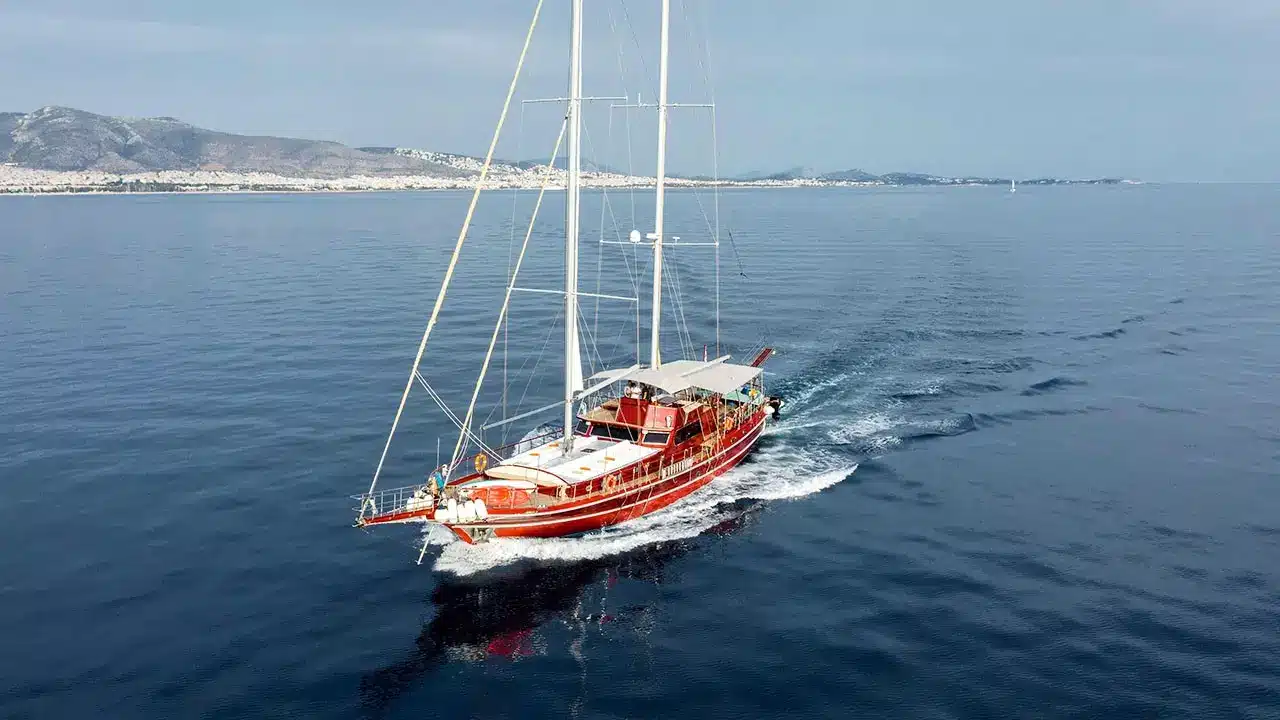
Red sailboat cruising on calm blue sea with distant coastline and hills in the background, mast towering above.
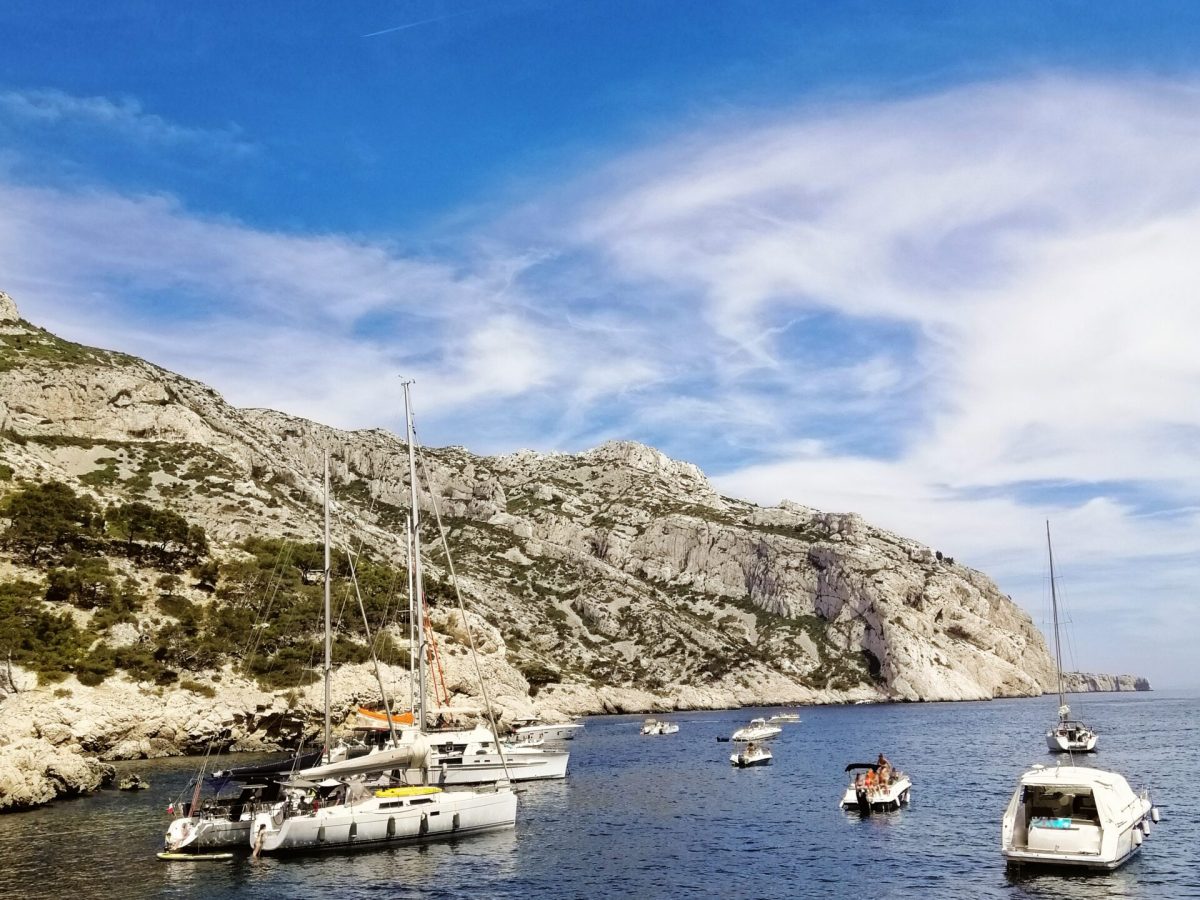
Harbor scene with several sailboats anchored in calm blue water near rocky coastline under a clear sky.

The bexst time to sail Greece is May-June and September-October, when the Aegean and Ionian seas are calm, temperatures are warm but not extreme (22-28°C), and the islands are not yet overwhelmed with summer visitors. July and August offer the warmest swimming weather but bring the Meltemi winds in the Aegean and the highest prices of the season.

Choosing when to sail matters just as much as choosing where to sail. Greece’s coastline spans several distinct sailing grounds – the sheltered Ionian, the wind-swept Cyclades, the scattered Dodecanese, and the compact Saronic Gulf – and each responds differently to the seasons. A month that delivers perfect conditions in one region might bring strong winds or overcrowded ports in another. This guide breaks down what to expect month by month, explains the Meltemi wind that defines Aegean sailing, looks at how 2026’s new tourism caps on islands like Santorini and Mykonos are changing the way people should plan their trips, and compares the best timing across Greece’s four major cruising routes.

Quick Summary Table

MonthAvg TempSea TempCrowdsPriceOur Rating
May22°C20°CLowLow★★★★☆
June26°C23°CMediumMedium★★★★★
July30°C26°CHighHigh★★★☆☆
August32°C27°CVery HighHigh★★★☆☆
September28°C25°CMediumMedium★★★★★
October23°C22°CLowLow★★★★☆


Sailing Greece Month by Month


May

Weather: May marks the true opening of the Greek sailing season. Days average around 22°C, with plenty of sunshine and cooler evenings that make for comfortable sleeping aboard. Rain is rare, and the light is soft and clear.

Sea temperature: At roughly 20°C, the sea is swimmable for most people, though it hasn’t yet reached the balmy warmth of high summer. A wetsuit is optional but appreciated by those sensitive to cooler water.

Crowds: Very low. Marinas are quiet, tavernas have space, and popular anchorages that get packed in August are often empty or hold just a handful of boats.

Prices: This is one of the most budget-friendly months to charter. Boat rental rates, mooring fees, and shoreside dining are all noticeably cheaper than peak summer.

Is it good for sailing? Yes – May is one of the best months on the calendar. Winds are generally light to moderate and predictable, making it ideal for relaxed cruising, families, and less experienced sailors. The only caveat is that some smaller island tavernas and services haven’t fully opened for the season yet.


June

Weather: June brings reliably warm, dry days with temperatures climbing to around 26°C. This is arguably the sweet spot of the Greek summer – hot enough for full beach days, but not yet oppressive.

Sea temperature: The sea warms to about 23°C, comfortable for extended swimming and water sports without hesitation.

Crowds: Moderate. School holidays haven’t started across most of Europe, so islands are livelier than in May but still far from the saturation of July and August.

Prices: Mid-range. Rates begin to rise from the May low season but remain well below the July-August peak.

Is it good for sailing? Excellent – June earns the top rating in our table. Sea and air temperatures are ideal, the Meltemi hasn’t fully established itself in the Aegean, and there’s enough energy in the ports and towns to enjoy without fighting crowds.


July

Weather: July is peak Mediterranean summer, with average temperatures around 30°C and long, cloudless days. Heat can be intense at midday, especially at anchor with no breeze.

Sea temperature: At 26°C, the water is at its warmest and most inviting for swimming, snorkeling, and diving.

Crowds: High. This is one of the two busiest months of the year, with popular islands like Mykonos, Santorini, and the Ionian hotspots seeing significant tourist traffic.

Prices: High. Charter rates, accommodation, and dining all sit at or near their seasonal peak.

Is it good for sailing? It’s a mixed picture. July delivers reliably hot, sunny weather perfect for swimming, but the Meltemi wind typically strengthens in the Aegean during this month, bringing sustained northerly winds that can reach Force 6-7 and make some passages and anchorages uncomfortable or unsafe for inexperienced crews. The Ionian Sea, on the other hand, remains largely unaffected and sails beautifully in July.


August

Weather: August is the hottest month, often exceeding 32°C, with heat that can feel intense both on land and at sea, particularly in sheltered bays with little air movement.

Sea temperature: The warmest of the year at around 27°C, ideal for swimming at any time of day.

Crowds: Very high – the busiest month in Greece. Ports, anchorages, and island towns are at their fullest, and popular routes require earlier planning and booking.

Prices: High, on par with or slightly above July, especially around the August 15th public holiday (Assumption Day), which is one of the busiest travel weekends of the Greek calendar.

Is it good for sailing? August combines the best swimming conditions with the most challenging combination of Meltemi winds, crowded anchorages, and premium pricing. Experienced sailors who enjoy brisk downwind conditions in the Aegean can find August exhilarating, but those seeking calm, relaxed cruising may prefer the Ionian or a shift to September.


September

Weather: September offers a gentle transition out of peak summer, with average temperatures around 28°C and slightly shorter, more comfortable days.

Sea temperature: Still warm at roughly 25°C, having absorbed a full summer’s worth of heat.

Crowds: Moderate, easing steadily as the month progresses and European school holidays end.

Prices: Mid-range, with rates typically softening in the second half of the month.

Is it good for sailing? Yes – September ties with June as the top-rated month. The Meltemi begins to ease, the sea remains warm from summer, and the islands regain a more relaxed, authentic pace without sacrificing reliably good weather.


October

Weather: October sees average temperatures drop to around 23°C, with occasional rain becoming more likely, particularly toward the end of the month.

Sea temperature: At about 22°C, the water is still comfortable for swimming, though noticeably cooler than the summer peak.

Crowds: Low. Many seasonal businesses begin winding down, and the islands return to a quieter rhythm.

Prices: Low, making October attractive for budget-conscious sailors and those seeking a peaceful end-of-season cruise.

Is it good for sailing? Yes, particularly in the first half of the month. Conditions are similar in appeal to May – settled weather, light winds, and near-empty anchorages – though sailors should keep an eye on the forecast for the season’s first autumn depressions later in the month.


Understanding the Meltemi Wind

What is the Meltemi?

The Meltemi is a strong, dry, northerly wind that blows across the Aegean Sea during the warmer months. It’s driven by the pressure difference between a high-pressure system over the Balkans and a low-pressure system over Turkey and the eastern Mediterranean. Winds typically run from Force 4 to 6, but can gust to Force 7 or higher on the strongest days, particularly in the afternoon.Sailors can also monitor live wind conditions before departure using Windy.

When does it happen?

The Meltemi is most active from mid-June through September, with its peak intensity typically occurring in July and August. It tends to build through the morning, strengthen through the afternoon, and ease off overnight, giving sailors a predictable daily rhythm to plan around.For current weather forecasts and marine conditions, check Meteo Greece.

Which areas are affected?

The Meltemi primarily affects the Aegean Sea, including the Cyclades, the northern Dodecanese, and the waters around Athens and Evia. Its effects are strongest in open water and funnel through channels between islands, where wind speeds can increase significantly compared to the open sea.

Which routes avoid it?

The Ionian Sea, on the west coast of Greece, is sheltered from the Meltemi entirely and offers calm, gentle sailing conditions throughout the summer. Within the Aegean, the southern Dodecanese and the Saronic Gulf experience comparatively milder Meltemi effects than the central Cyclades, making them reasonable alternatives for sailors wanting Aegean scenery with less wind exposure.


Overtourism in 2026: Why It Matters for Sailors

Greece’s most iconic islands have reached a turning point in 2026, and the changes underway are reshaping how visitors should plan their trips. Santorini, long one of the most photographed destinations in the world, now allows only 8,000 cruise passengers per day, a cap introduced to ease the pressure on the island’s narrow caldera paths, cable cars, and clifftop villages that were buckling under the weight of tourism during peak season. For travelers arriving by conventional means, this has meant longer queues, tighter scheduling, and a scramble to see the island’s highlights within a shrinking window of time.Visitors can find official travel information and destination updates on the Official Greece Travel Guide.

Mykonos has followed a similar path, introducing its own visitor restrictions aimed at controlling the flow of tourists through its famous old town and beach clubs. These measures are a direct response to years of overcrowding that strained local infrastructure, drove up prices, and diluted the very charm that made these islands famous in the first place. For anyone planning a 2026 trip to the Cyclades, it’s now essential to factor these caps and restrictions into the itinerary rather than assuming spontaneous, unrestricted access.

This is where sailing by private gulet offers a genuine advantage. Arriving by sea means bypassing the cruise terminal queues, the shuttle bus bottlenecks, and the daily passenger caps that apply to land-based and cruise ship arrivals. A private yacht can time its approach to quieter hours, anchor away from the busiest ports, and give guests the flexibility to enjoy a sunset in Oia or a stroll through Mykonos town without competing with thousands of same-day visitors. In an era where Greece’s top destinations are actively managing overtourism, sailing isn’t just a romantic way to travel – it’s becoming one of the most practical ways to actually enjoy these islands.


Best Time to Sail by Cruise Route

Ionian Sea

The Ionian is Greece’s most forgiving sailing ground, protected from the Meltemi by the mainland and largely calm from late spring through early autumn. Best months: May through October, with June and September standing out for the ideal balance of warmth and low crowds. Even July and August, challenging elsewhere in Greece, remain pleasant here, making the Ionian a strong choice for families, beginners, or anyone prioritizing relaxed conditions over wind-driven excitement.

Dodecanese

Stretching along Greece’s southeastern edge near Turkey, the Dodecanese sees a milder version of the Meltemi than the central Aegean, particularly in its southern islands like Rhodes, Symi, and Kastellorizo. Best months: May, June, September, and October, when winds are manageable and temperatures are comfortable. July and August bring stronger afternoon winds and busier ports, especially around Rhodes, but remain sailable for those with more experience.

Saronic Gulf

Close to Athens and sheltered by surrounding landmasses, the Saronic Gulf experiences some Meltemi influence but generally less severely than the open Cyclades. Best months: May, June, September, and October offer the calmest, most pleasant sailing, while its proximity to Athens makes it a popular short-charter option year-round, including July and August for those based near the capital.

Aegean (Cyclades)

This is the heart of Meltemi territory and home to the most dramatic scenery – and the most demanding sailing conditions – in Greece. Best months: May, June, and September, when winds are lighter and more predictable. July and August bring the strongest, most consistent Meltemi winds, rewarding experienced sailors with fast downwind passages but posing real challenges for beginners, along with the heaviest crowds and highest prices of anywhere in Greece.


Frequently Asked Questions


  1. What is the single best month to sail in Greece? June and September are generally considered the best overall months, offering warm temperatures, a comfortably warm sea, manageable crowds, and lighter, more predictable winds than the height of summer.
  2. Is it safe to sail in Greece during the Meltemi season? Yes, with the right preparation. The Meltemi is strong but predictable, typically building through the afternoon and easing overnight. Experienced skippers plan routes and departure times around it, and sheltered areas like the Ionian Sea and southern Dodecanese see much less impact.
  3. Which is calmer for sailing, the Ionian or the Aegean? The Ionian Sea is significantly calmer, as it’s shielded from the Meltemi by the Greek mainland. The Aegean, particularly the Cyclades, experiences the strongest and most consistent summer winds in the country.
  4. Do I need sailing experience to charter a boat in Greece? It depends on the season and route. Calmer months like May, June, September, and October, along with sheltered areas like the Ionian and Saronic Gulf, are well suited to less experienced sailors, especially with a skippered charter. Peak-season Aegean sailing in July and August is best suited to more experienced crews due to stronger Meltemi winds.
  5. How does the Santorini cruise passenger cap affect a private sailing trip? The 8,000-passenger daily cap applies primarily to cruise ship arrivals and large-scale tourism operators. Sailing by private gulet allows more flexible timing and anchoring, helping guests avoid the queues and congestion tied to that cap and enjoy the island on a more relaxed schedule.

Final Thoughts


There’s no single “best” month to sail Greece – only the best month for what you’re after. If calm water, light winds, and quiet anchorages matter most, aim for May, June, September, or October. If you want the warmest possible sea and don’t mind stronger winds, bigger crowds, and higher prices, July and August in the Ionian or the sheltered Saronic Gulf can still deliver a fantastic trip, even if the open Cyclades are best left to more experienced crews during those months.

What’s changed heading into 2026 is that timing now matters even more. With Santorini’s daily cruise passenger cap and Mykonos’s own visitor restrictions reshaping how the busiest islands operate, travelers who plan around the calendar – and who choose flexible, private sailing over fixed cruise-ship schedules – are the ones best positioned to actually enjoy these islands rather than just tick them off a list. Whichever month you choose, matching your route to the season is the single biggest factor in having a smooth, memorable Greek sailing holiday.

Planning your own Greek island adventure? Sail in Greece offers private gulet charters across the Ionian, Aegean, Dodecanese, and Saronic – get in touch to find the best route and season for your trip.You can also explore more about Greece’s islands and travel experiences through the Official Greece Travel Guide.

La guida turistica definitiva di Corfù

La guida turistica definitiva di Corfù

Tutto quello che devi sapere prima di visitare questa paradisiaca isola greca

Se sogni acque cristalline, paesaggi lussureggianti e secoli di storia, Corfù dovrebbe essere in cima alla tua lista di viaggi in Grecia. Questa splendida isola, situata nel Mar Ionio al largo della costa nord-occidentale della Grecia, fonde influenze veneziane, francesi e britanniche con il fascino tradizionale greco, offrendo ai visitatori un’esperienza unica e indimenticabile.

In questa guida scoprirai tutto quello che devi sapere per visitare Corfù, dalla sua affascinante storia e dai monumenti imperdibili alle migliori spiagge, ristoranti, negozi ed escursioni.

Breve storia di Corfù

La storia di Corfù è ricca e stratificata quanto i suoi paesaggi. L’isola è stata abitata fin dal Paleolitico e ha svolto un ruolo fondamentale nel corso della storia grazie alla sua posizione strategica tra l’Europa e l’Oriente.

Nell’antichità, Corfù era una potente forza navale. Fu coinvolta nella prima battaglia navale mai ricordata nella storia greca e svolse un ruolo significativo nella Guerra del Peloponneso. Nel corso dei secoli, Corfù fu governata da Veneziani, Francesi e Inglesi, che lasciarono il loro segno nell’architettura, nella cucina e nella cultura dell’isola.

A differenza di gran parte della Grecia, Corfù non cadde mai sotto il dominio ottomano, il che le conferisce un’atmosfera tipicamente europea. Oggi, il centro storico di Corfù, dichiarato Patrimonio dell’Umanità dall’UNESCO, è una testimonianza della sua storia stratificata, costellata di stretti vicoli acciottolati, grandiosi palazzi e imponenti fortezze.

Le migliori spiagge di Corfù

Corfù vanta alcune delle spiagge più belle delle isole greche. Eccone alcune da non perdere:

1. Spiaggia di Paleokastritsa

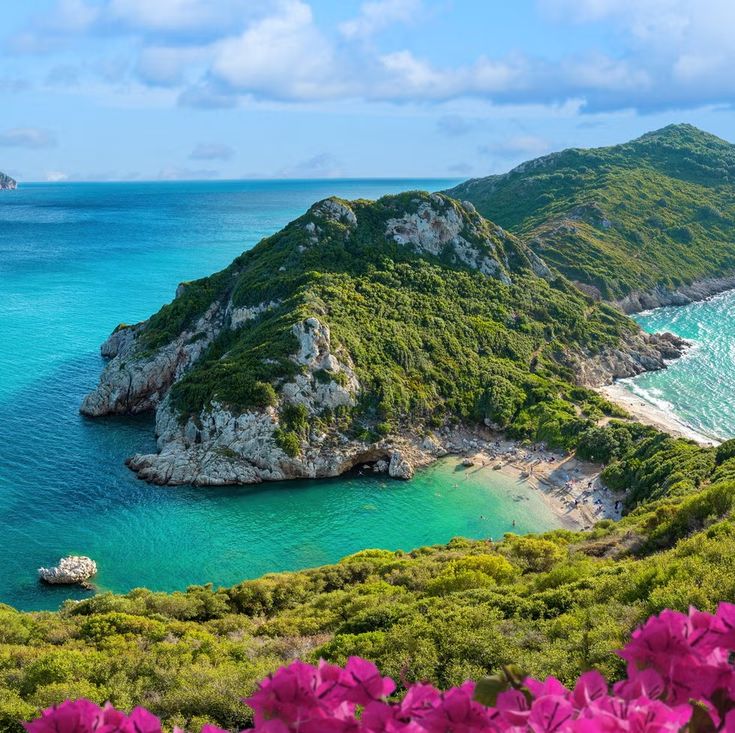
Acque turchesi e uno sfondo di lussureggianti colline verdi rendono Paleokastritsa una delle spiagge più famose di Corfù. È perfetta per lo snorkeling, il nuoto e le gite in barca.

2. Spiaggia di Glyfada

Amata sia dalla gente del posto che dai turisti, Glyfada offre sabbia dorata, acque cristalline e ottimi bar sulla spiaggia.

3. Sidari e il Canal d’Amour

La spiaggia di Sidari, sulla costa settentrionale, è famosa per le sue uniche formazioni di arenaria e per il romantico Canal d’Amour, dove la leggenda narra che le coppie che lo attraversano a nuoto si sposeranno presto.

4. Spiaggia di Barbati

Una spiaggia di ciottoli con acque cristalline, ideale per chi cerca un’atmosfera più tranquilla e rilassata.

5. Spiaggia di Issos

Situata a sud, Issos offre ampie spiagge sabbiose e una vicina riserva naturale protetta, perfetta per gli amanti della natura.

Escursioni e gite di un giorno da Corfù

Corfù offre numerose escursioni memorabili, sia via terra che via mare:

1. Gita in barca a Paxos e Antipaxos

Partecipa a un’escursione in barca alle vicine isole di Paxos e Antipaxos, famose per le loro splendide grotte blu e le acque cristalline.

2. Tour in jeep per il safari dell’isola

Esplora l’entroterra aspro di Corfù, i suoi incantevoli villaggi e gli uliveti in un’avventura fuoristrada.

3. Tour enologici di Corfù

L’industria vinicola di Corfù è in piena espansione. Visita le cantine locali per assaggiare vitigni autoctoni come il Kakotrygis.

4. Villaggio di pescatori di Kassiopi

Un pittoresco villaggio costiero nel nord-est dell’isola, perfetto per una giornata rilassata con pranzi a base di pesce e passeggiate lungo la costa.

5. Tour a piedi della città di Corfù

Partecipa a un tour guidato a piedi per scoprire vicoli nascosti, palazzi storici e leggende locali.

Consigli pratici per visitare Corfù
Periodo migliore per visitare: Da fine aprile a inizio giugno e da settembre a ottobre si gode di un clima migliore, senza troppa folla. Come arrivare: In aereo: l’aeroporto internazionale di Corfù (Ioannis Kapodistrias) accoglie voli sia internazionali che nazionali. In traghetto: traghetti regolari collegano Corfù alla Grecia continentale (Igoumenitsa) e all’Italia. Come spostarsi: Noleggio auto: altamente consigliato se si desidera esplorare anche i dintorni della città di Corfù. Autobus: un modo economico per visitare spiagge e villaggi famosi. Taxi e taxi acquei: disponibili, ma possono essere costosi in alta stagione.

Considerazioni finali: perché Corfù dovrebbe essere la tua prossima destinazione in Grecia

Corfù offre una rara combinazione di bellezza naturale, storia profonda, cultura cosmopolita e calorosa ospitalità greca. Che tu stia passeggiando per le incantevoli strade della città di Corfù, rilassandoti su spiagge dorate o cenando all’aperto sotto le stelle, ogni momento su quest’isola sembra un sogno.

Perfetta per coppie, viaggiatori singoli e famiglie, Corfù si distingue anche tra i gioielli scintillanti delle isole greche. Quindi, prepara le valigie, prepara i tuoi sensi e preparati a innamorarti di Corfù: una destinazione impossibile da dimenticare.

Guida turistica Sporadi

GUIDA DI VIAGGIO SPORADI

Perfetto per esplorare le isole Sporadi

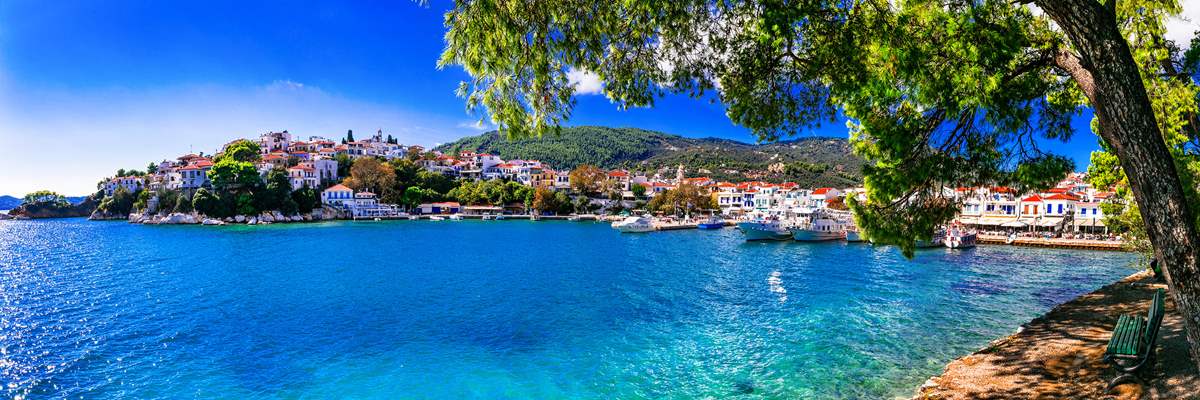
La nostra base charter nel porto principale dell’isola di Skiathos è perfetta per vivere le aree adiacenti e per crociere più lontane nella parte meridionale verso altre famose isole Sporadi tra cui Skopelos, Skyros, Peristera e Allonisos con il suo parco marino sottomarino mozzafiato! Sei più che benvenuto a scegliere quali isole Sporadi visitare e quale itinerario intraprendere! Il nostro team di Sail in Greece basato sulla nostra esperienza locale ti guiderà e creerà il percorso migliore per le tue vacanze in caicco. Skiathos è una destinazione popolare con voli charter diretti da molti paesi europei che volano verso l’isola. Se non puoi volare direttamente a Skiathos c’è sempre la possibilità di volare all’aeroporto di Atene e poi con solo 1:30 minuti di autobus puoi raggiungere il tradizionale villaggio di Agios Konstantinos, da dove possiamo anche iniziare le tue Sporadi crociera. Sail in Greece può guidarti attraverso l’intero processo, inviaci semplicemente un’e-mail: info@sail-ingreece.com< /a> e partiremo da lì. Di seguito puoi trovare le spiagge più famose intorno alle isole Sporadi che rendono un tour in barca alle Sporadi il modo migliore per esplorarle

Spiaggia Koukounaries Isola di Skiathos

Koukounaries è la spiaggia più famosa dell’isola di Skiathos. Situata sul lato sud, questa è una spaziosa insenatura con sabbia bianca come zucchero e circondata dalla natura. Molto popolare durante l’alta stagione con alcuni bar sulla spiaggia e taverne lungo la spiaggia, la visita in barca è d’obbligo per evitare la folla.

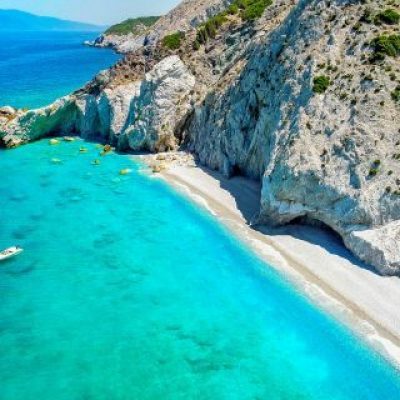
Spiaggia Lalaria Isola di Skiathos

Raggiungibile solo in barca dal porto principale di Skiathos, Lalaria si trova all’estremità settentrionale di Skiathos ed è un luogo mozzafiato di straordinaria bellezza con grandi rocce che emergono dalle acque cristalline del mare turchese.

Spiaggia di Panormos Isola di Scopelo

Situata sul lato sud-orientale dell’isola di Skopelos, Panormos è una baia spaziosa con morbidi ciottoli bianchi e un’incredibile acqua limpida. Con un’atmosfera sballante e una natura autentica tutt’intorno, questa è una spiaggia meravigliosa per famiglie con bambini e, soprattutto, per persone che desiderano rilassarsi vicino alla natura.

Spiaggia di Stafylos Isola di Scopelo

Situata sul lato meridionale dell’isola di Skopelos, la baia di Stafylos prende il nome dalla parola greca “stafyli” che significa uva, poiché nell’antichità la zona circostante era ricca di vigneti. Questo è un bellissimo mare con alberi verdi intorno e acqua turchese cristallina.

Spiaggia di Agios Dimitrios Isola di Alonissos

Agios Dimitrios è una grande baia sul lato settentrionale dell’isola di Alonissos. Una parte della spiaggia è organizzata con lettini e ombrelloni, il che la rende un luogo perfetto per vacanze tranquille. Piccoli ciottoli bianchi ricoprono questa ampia baia che si distingue per le acque cristalline e lo splendido ambiente naturale. Durante l’alta stagione la spiaggia di Agios Dimitros è molto affollata, quindi è consigliabile visitarla con una barca privata se si preferisce evitare la folla.
I nostri caicchi a Skiathos sono disponibili tutto l’anno e includono un’ampia varietà dei nostri servizi più popolari a bordo. Sfoglia qui la nostra flotta di caicchi. È possibile concordare speciali accordi di charter privato, inclusi charter giornalieri per visite turistiche e noleggio di caicchi per eventi speciali, tra cui crociere d’affari, matrimoni, viaggi di luna di miele o addii al nubilato. Per qualsiasi ulteriore informazione puoi sempre inviarci un’e-mail: charter@sail-ingreece.com

Guida turistica Io

GUIDA DI VIAGGIO IOS

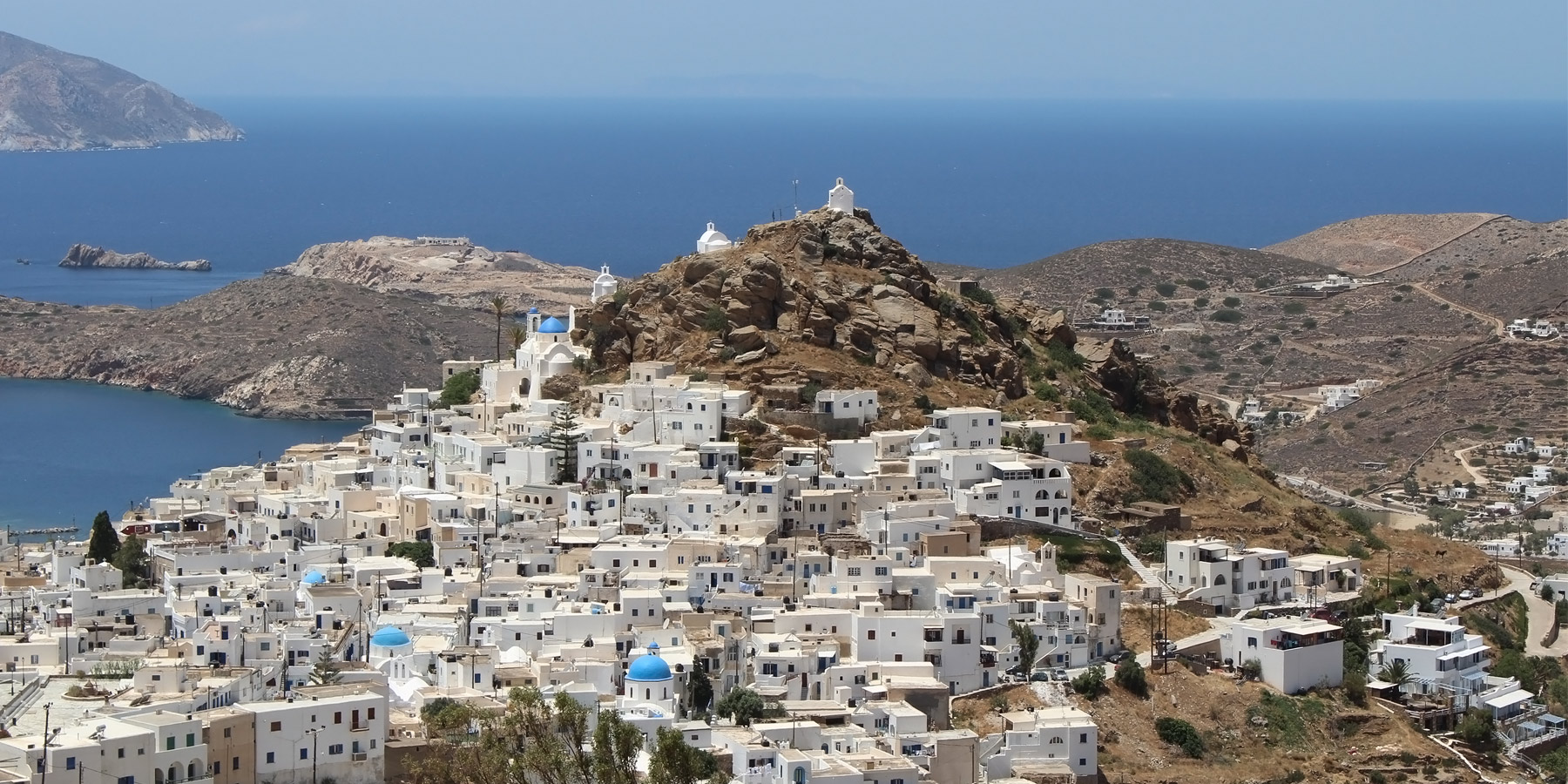
Ios è una delle isole più pittoresche delle famose Cicladi e una delle isole più mozzafiato del Mar Egeo. È circondata da Santorini, Paros, Naxos e Folegandros. Ios attira ogni anno un gran numero di turisti, soprattutto giovani, grazie alla sua notoriamente grande varietà di bar e club situati principalmente nella tradizionale città di Ios (chiamata anche Hora), a 15 minuti a piedi dal porto di Ios. Le spiagge mozzafiato, le infinite cappelle e i numerosi punti di interesse archeologico, le case bianche e le acque cristalline offrono all’isola la sua famosa bellezza delle Cicladi. È un fatto vero che, secondo l’antica tradizione, Íos era la patria della madre di Omero e l’ultima isola dove riposa il glorioso poeta epico. Ios offre una grande varietà di luoghi turistici e luoghi di autentico fascino naturale, il tutto combinato con il carattere unico e accogliente delle Cicladi che la rendono ideale per la vela. Un gran numero di spiagge sono accessibili solo via barca oppure sono ideali per l’ancoraggio con la barca e il pernottamento in un ambiente tranquillo. Alcune delle spiagge elencate di seguito sono incluse come soste per nuotare nella nostra Crociera a Mykonos dove durante i nostri 8 giorni crociera, pernottamento a Ios. se desideri noleggiare una barca come privato e avere la massima flessibilità puoi controllare la nostra flotta di caicchi qui.

Mylopotas Beach

A sud-ovest di Chora, la spiaggia di Mylopotas, la spiaggia più frequentata di Ios dove si trova anche il campo Far Our, può essere molto affollata durante l’estate. La lunga spiaggia di sabbia bianca si estende per un chilometro e offre lettini, bar sulla spiaggia, caffetterie, taverne e sport acquatici. Faremo una sosta per nuotare durante la nostra crociera a Mykonos alla spiaggia di Mylopotas.

Manganari Beach

A circa 13 miglia dal porto di Ormos, nella parte meridionale di Ios, all’estremità della baia di Mylopotas, una strada tortuosa si inerpica sulla montagna e gira a destra prima del monastero di Kalamos per raggiungere la meravigliosa e quasi deserta baia di Manganari. Questa baia mozzafiato è divisa in quattro baie idilliache con sabbia o ciottoli bianchi come zucchero e acque turchesi poco profonde. La baia particolare è ideale per il pernottamento in barca, grazie al suo ambiente tranquillo e pacifico e ai dintorni sbalorditivi. La sosta per nuotare sulla nostra crociera a Mykonos, essendo una delle più popolari tra i nostri ospiti, è la più fotografata sosta per nuotare tra tutti.

Papa beach

Piccola spiaggia di sabbia bianca vicino alla baia di Kalamos. La particolare spiaggia non è ben organizzata, ma la natura selvaggia del suo scenario e l’azzurro delle acque ripagano sicuramente del viaggio. In sintesi, sia che tu noleggi una barca privata per il tuo gruppo ( flotta di caicchi) o che ti unisci alla nostra programmate Mykonos Cruises, navigare a Ios è di gran lunga il modo migliore per esplorarla. Se hai richieste o desideri ulteriore assistenza, puoi sempre inviarci un’e-mail: info@sail-ingreece.com

Guida turistica Naxos

Gite in barca a vela a Naxos

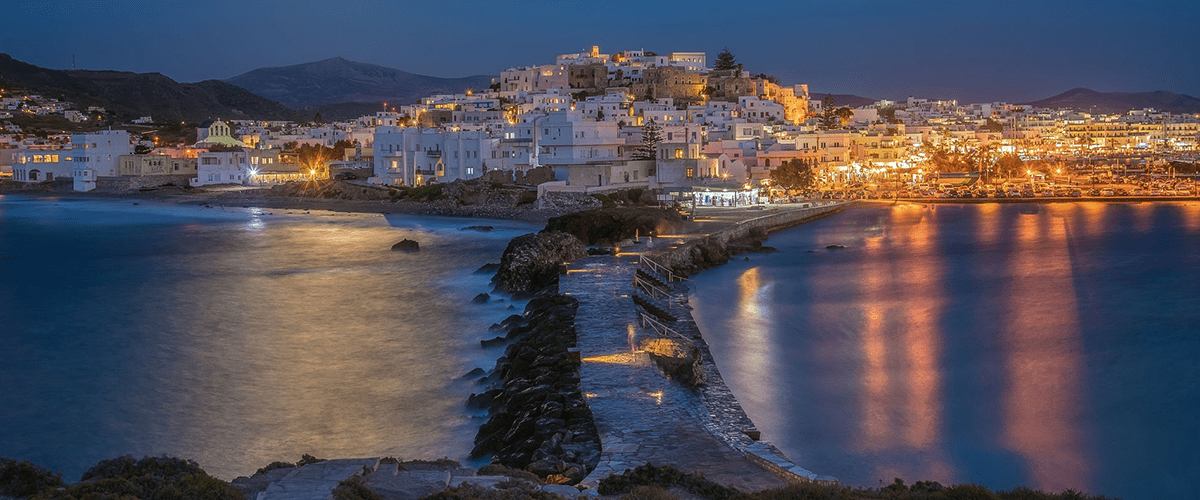
Uno dei modi più emozionanti che puoi goderti mentre sei a Naxos sono le crociere in barca a vela. È allo stesso tempo il modo migliore per vivere la costa mozzafiato dell’isola e fare una crociera verso le isole adiacenti. Le gite in barca a Naxos sono solitamente organizzate su scala giornaliera, ma non lasciano molto tempo per l’esplorazione. Consigliamo vivamente di partecipare ad una navigazione di più giorni sia come gruppo privato per noleggiare la propria barca, sia come crociera organizzata. L’itinerario è soggetto a modifiche, sempre a seconda delle condizioni meteorologiche poiché la maggior parte delle volte è il forte vento a definire il percorso della barca. Avendo sempre la sicurezza al primo posto, il capitano della barca salpa normalmente dal porto della città di Naxos o da un altro punto di raccolta prestabilito dove il gruppo può raggiungere più facilmente la barca e iniziare le proprie vacanze in crociera.
Puoi noleggiare uno qualsiasi dei caicchi disponibili online dalla nostra flotta di caicchi disponibile (fai clic qui) prima di venire a Naxos oppure aspetta di arrivare lì e organizza un servizio di trasferimento. Tieni presente che la disponibilità dipende dalla stagionalità, quindi pianifica i tuoi piani con sufficiente anticipo per assicurarti che i tuoi piani non vengano interrotti. Una vacanza in crociera include nuotare in baie private appartate, scoprire calette e tesori nascosti, tuffarsi dalla barca o da scogliere naturali, scattare tantissime foto su Instagram (alcune delle quali possono essere sott’acqua), godersi lezioni di crociera dal capitano a bordo e, naturalmente, pasti preparati al momento e bevande servite.
I tour giornalieri organizzati in barca a vela non ti porteranno troppo lontano da Naxos. Potresti riuscire a visitare la costa di Paros, Antiparos, Schinoussa, Koufonissia ma non tutte nello stesso viaggio. Organizziamo una crociera di 8 giorni da Mykonos ( Mykonos Cruise) dove trascorrerai 8 giorni di crociera intorno al Cicladi dove visiterai al tuo ritmo e in modalità relax più isole lungo il percorso come Naxos, Paros, Antiparos, Mykonos, Ios, Piccole Cicladi. C’è sempre l’alternativa di voler spendere per un giro in barca di 2 o 3 giorni. In tal caso, dovrai noleggiare l’intera barca per te e il tuo gruppo, il che aumenterà sicuramente il costo ma ti darà la piena libertà di organizzare le tue vacanze secondo i tuoi desideri. Controlla la nostra flotta di caicchi e inviaci un’e-mail per offerte dettagliate. Puoi fare una crociera intorno al Mar Egeo, visitare molte delle isole delle Cicladi che desideri (Mykonos, Santorini, Ios, le Piccole Cicladi) o semplicemente goderti il comfort e il lusso di un caicco con i tuoi amici.
Il noleggio di caicchi è decollato negli ultimi anni e nel mercato degli yacht sono emersi molti broker online e offline, rendendolo un’attività turistica molto redditizia. Siamo i proprietari della barca, quindi prenota direttamente con noi per assicurarti che siano garantiti i prezzi migliori. Inoltre, non è raro noleggiare un caicco in crociera da Atene. I porti disponibili per i nostri caicchi sono a Zeas, Lavrio e Flisvos dove offrono molteplici servizi lungo il percorso A bordo, il capitano potrebbe aver già organizzato un paio di eventi speciali, a seconda delle condizioni meteorologiche, del numero e dell’età media degli ospiti. Le nostre crociere normalmente offrono molto più di un semplice viaggio in barca a vela a Naxos. E, anche se tutti i capitani & L’equipaggio che salpa da Naxos è molto esperto delle condizioni meteorologiche locali prevalenti, la vita marina può essere completamente imprevedibile. Questo è il motivo principale per cui ci si aspetta che gli ospiti assistano a un briefing sulla sicurezza a breve termine presentato dal loro capitano, che salvaguarderà la loro sicurezza. Per riassumere, se desideri unirti a una crociera a Naxos, puoi noleggiare uno dei nostri caicchi come privato per il tuo gruppo solo in modo completamente flessibile (Gulet Fleet) o unisciti alle nostre crociere programmate da Mykonos che include Naxos e molte altre isole delle Cicladi lungo il percorso.

Guida turistica Lefkada

Crociere in barca a vela intorno a Lefkada

Vivere le Isole Ionie a bordo di un caicco a motore è il modo migliore per rilassarsi durante le vacanze. Noleggiare una barca ti offre la flessibilità di ancorare in una delle bellissime baie, insenature o insenature ed esplorare parte della grande varietà di piccoli porti di pesca greci. Sia che tu scelga di esplorare le incantevoli coste di Lefkada o di trascorrere del tempo in crociera intorno alle isole vicine o alla costa continentale, vivrai un’esperienza indimenticabile. Ma perché noleggiare una barca visto che Lefkada è il modo migliore per esplorarla? Ci sono numerose spiagge appartate che è meglio raggiungere in barca, calette private accessibili solo in barca e molte isole greche adiacenti a Lefkada che vale la pena visitare.

PORTO KATSIKI & EGREMNI

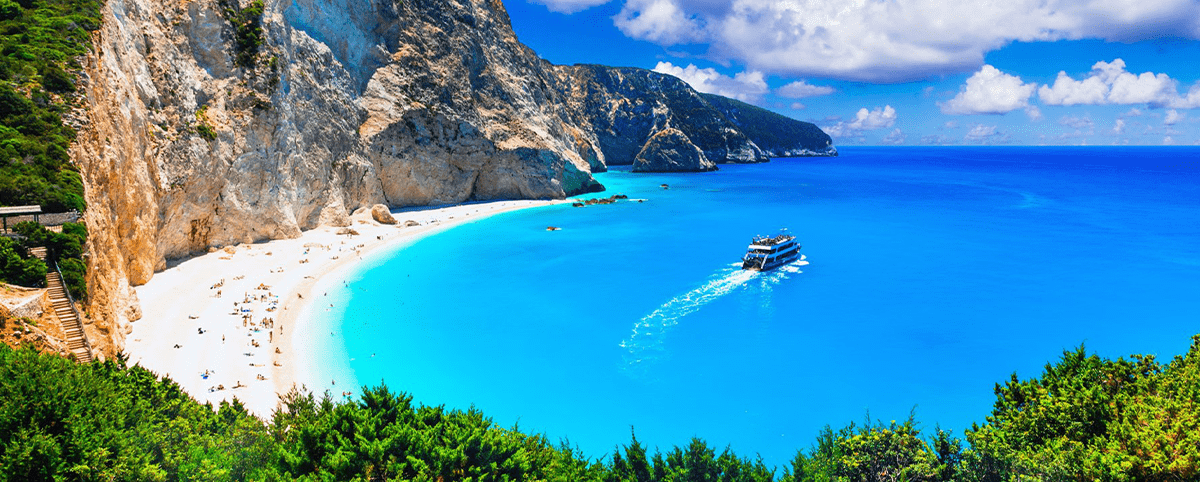
Una delle spiagge più famose di Lefkada e forse anche delle isole Ionie. Famosa per la sua acqua cristallina e la sabbia bianchissima è un paradiso terrestre. Durante la nostra crociera a Zante visitiamo le meravigliose spiagge sabbiose dello Ionio, Porto Katsiki ed Egremni, per una sosta mozzafiato per nuotare nelle sue acque turchesi cristalline.

SCORPIOS-SPARTI-KASTRI

Vale sicuramente la pena visitare le tre famose isole di Onassis, armatore greco di fama mondiale e fermarsi per un rilassante bagno pomeridiano sulla spiaggia privata di Scorpios. Tutte e 3 le isole sono di fronte al villaggio di Nidri e possono essere raggiunte solo in barca. Durante la nostra crociera a Zante navighiamo intorno all’isola di Skoprios, mentre il nostro capitano descrive la piccola storia dietro queste leggendarie isolette.

MEGANISI

L’isola di Meganissi si trova proprio accanto a Leucade, da dove partono traghetti giornalieri dal villaggio di Nidri con un viaggio di 30 minuti. Tuttavia Meganissi, a parte le spiagge appartate mozzafiato che qualcuno può trovare navigando intorno ad essa, è famosa per la Grotta di Papanikolis situata sul lato occidentale di Meganisi. Questa famosa grotta è nota per essere stata utilizzata dal Capitano Latridis come nascondiglio per il suo sottomarino, durante la seconda guerra mondiale. La custodia Papanikolis è inclusa anche nella nostra crociera a Zante, dove offriamo ai nostri ospiti una sosta per nuotare e un pranzo a bordo.

KEFALONIA

Cefalonia è una delle isole più popolari delle isole Ionie. Noleggia una barca a Leucade e potrai esplorare l’indimenticabile sarà la nostra visita a Fiskardo, ben nota come il diamante delle isole Ionie. Fiskardo si trova nella parte settentrionale dell’isola. È l’unico villaggio di Cefalonia che non è stato demolito dal catastrofico terremoto del 1953. FIskardo è parte integrante del nostro itinerario di crociera a Zante dove arriviamo di solito nel tardo pomeriggio e abbiamo tempo libero per esplorarlo e goderci una cena in una taverna locale.

ITHACA

Le insenature e le baie naturali, la sua tradizione autentica, il paesaggio spettacolare, la gentilezza e il comportamento affettuoso dei suoi cittadini, è ciò che renderà le vostre vacanze sull’isola di Odysseys una scoperta davvero memorabile. Sosta per pasto, caffè e tempo libero. Itaca è parte integrante del nostro itinerario di crociera a Zante dove arriviamo di solito nel tardo pomeriggio e abbiamo tempo libero per esplorarla e goderci una cena in una taverna locale.

MADOURI

La piccola isola fa parte dell’importante storia greca, poiché il famoso poeta Aristotelis Valaoritis è nato e cresciuto sull’isola di Madouri. I suoi pronipoti Manos Valaoritis ed Eleni Karapanayioti ereditarono Madouri. L’isola di Madouri è accessibile solo in barca e si trova di fronte a Lefkada, a soli 30 minuti di crociera. Per riassumere, esplorare Lefkada in barca e le sue gemme vicine è il modo migliore per farlo. Se sei un gruppo e desideri noleggiare una barca come privato, puoi controllare la nostra flotta di caicchi ( clicca qui) o se siete un gruppo più piccolo di amici, famiglie o coppie potete unirvi alle nostre crociere programmate da Zante che includono Lefkada nell’itinerario. Per ulteriori informazioni, inviaci un’e-mail: info@sail-ingreece.com

Guida turistica Paro

Crociere in barca a vela di più giorni a Paros

Scopri il paradiso greco con una crociera di 8 giorni partendo da Mykonos ma girando intorno all’intera isola di Paros. Data la perfetta posizione di Paros nel centro delle Cicladi, hai la possibilità di visitare e vivere le vicine spiagge e calette.

Sail in Greece è orgogliosa di annunciare le nostre esperienze di crociera a Mykonos! Con Sail in Greece offriamo una vasta gamma di crociere di più giorni da Atene e da una serie di isole famose in tutta la Grecia, come Corfù, Zante, Mykonos e introduciamo per la prima volta l’idea delle vacanze in caicco in Grecia! Le nostre rotte di crociera selezionate, selezionate con cura, ti consentono di navigare per 7 giorni in totale (ritornando al punto di partenza) e di sperimentare più isole lungo il percorso come Paros, Naxos, Ios, Koufonisia e Mykonos. È un modo completamente nuovo di girare l’isola di Paros! Controlla qui la nostra Mykonos Cruise & il resto delle nostre crociere in caicco di 8 giorni in Grecia.

Giro in barca a Paro

Un tour in barca a Paros ti offre un viaggio unico di una vita che consiste nell’ancoraggio in baie private, calette incontaminate o come mezzo di trasporto diretto per andare da un’isola all’altra intorno alle isole greche. Tuffati nelle magiche acque dell’Egeo utilizzando le nostre maschere per lo snorkeling offerte a bordo, o semplicemente prendi il sole sul ponte e senti il sole e la brezza estiva, mentre ti godi i nostri pasti fatti in casa appena preparati a bordo dal tuo chef dedicato, così come prelibatezze e bevande servite durante la tua crociera con noi.
menu

Partenze regolari

Il tour in barca a Paros fa parte della nostra crociera a Mykonos che in genere inizia e finisce dal porto turistico di Tourlos di sabato. Le nostre crociere a Mykonos includono regolarmente il tuo caicco privato con equipaggio, tutto il carburante e le tasse, caffè, bevande analcoliche e pasti giornalieri. Non sono incluse le bevande aggiuntive o i trasferimenti da e per il porto, tutti facilmente organizzabili comunicandoci le vostre esigenze specifiche. Naturalmente è disponibile una grande varietà di caicchi nella nostra flotta se sei interessato a noleggiare una barca come privato. Sfoglia qui i nostri caicchi

Crociere in caicco di lusso

Oltre ai nostri normali tour in barca a Paros, siamo lieti di offrire le migliori crociere in caicco di lusso, realizzate su misura per soddisfare le vostre esigenze. Le nostre crociere in caicco di lusso sono disponibili su una varietà esclusiva di caicchi e sono dotate di equipaggio per garantire che ogni tua esigenza sia soddisfatta! Le nostre crociere in caicco di lusso possono includere qualsiasi itinerario preferito e possono durare uno o più giorni a seconda del programma e delle esigenze. L’unica cosa che devi fare è informarci sulle tue esigenze e saremo felici di aiutarti a rendere memorabile il tour in barca dei tuoi sogni a Paros alle isole greche!

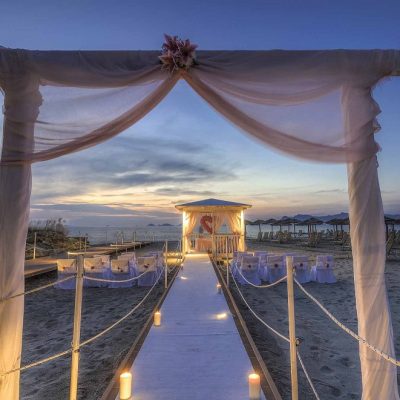
Crociere per matrimoni/luna di miele

Siamo lieti di offrire anche esclusivi servizi di noleggio caicchi per circostanze speciali come matrimoni o lune di miele. Da un tour in barca privato solo per la coppia sposata a una crociera di più giorni con equipaggio completo per l’intero gruppo nuziale, siamo lieti di rendere il tuo evento speciale davvero… speciale! Contattaci con le tue preferenze e ti risponderemo con molteplici proposte. E-mail: info@sail-ingreece.com o +30 2112152595

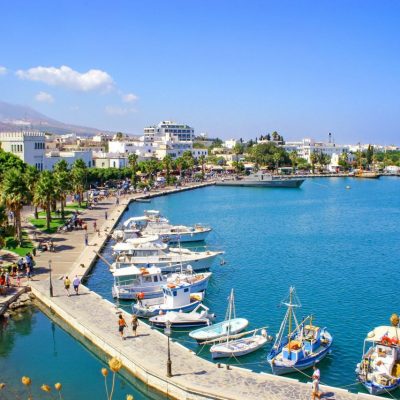
Kos

Crociere in barca a vela di 7 giorni a Kos

Sail in Greece è orgogliosa di annunciare una crociera in barca a vela nel Dodecaneso! Con la nostra crociera a Kos offriamo una crociera di 7 giorni per esplorare Kos e una serie di isole famose in tutto il Dodecaneso e lanciamo per la prima volta l’idea di una crociera di 7 giorni da Kos! Le nostre rotte di crociera selezionate ti consentono di navigare per 7 giorni in totale mentre ti godi la tua cabina privata con bagno privato, completamente climatizzata. È un modo completamente nuovo di visitare le isole della Grecia e in particolare delle isole del Dodecaneso!

Ma la gita in barca a Kos è il modo migliore per esplorare l'isola di Kos?

Kos è un’isola di grandi dimensioni (la terza più grande della Grecia) con una varietà di cose da fare e da vedere. Una crociera intorno a Kos è il modo perfetto per trascorrere i tuoi preziosi giorni di vacanza sull’isola greca in un modo che non avresti mai fatto prima! Parti dalla marina principale di Kos, naviga verso una spiaggia o baia privata appartata dove puoi prendere il sole o nuotare ed esplorare l’isola di Kos e poi pranzare a bordo fatto in casa dal nostro chef privato o camminare fino a una tradizionale taverna dell’isola per una cena. Le nostre crociere di 8 giorni dall’isola di Kos includono tipicamente crociere su promontori e spiagge private lungo la costa di Kos, una visita nella vicina isola di Pserimos e ovviamente molte altre isole del Dodecanessae come Symi, Tylos, solo per citarne alcune. Pserimos è una pittoresca piccola isola con una popolazione di poche centinaia di abitanti. È un’isola fuori dai sentieri battuti, molto preservata dal principale fermento turistico di Kos, con una splendida città principale con alcuni ristoranti e, naturalmente, una serie di spiagge romantiche da vivere e in cui nuotare! Come caratteristica unica, Pserimos è una delle pochissime isole greche chiuse al traffico automobilistico (l’unica eccezione sono alcuni veicoli di servizio per i residenti locali). Un’altra attrazione popolare che visiterai durante una gita in barca a Kos, è che Kos esplora l’isola stessa, navigando nella spaziosa baia di Kos e visitando spiagge e destinazioni fuori dai sentieri battuti mentre navighi lungo la costa. Salta dalla barca e fai snorkeling dove preferisci e, se sei abbastanza fortunato, potresti vedere uno stormo di fenicotteri rosa rilassarsi sulle saline! Partenze regolari Le nostre crociere di 8 giorni normalmente iniziano e finiscono dal porto turistico di Kos, con partenza il sabato. La nostra crociera regolare a Kos include il tuo caicco privato con equipaggio, tutto il carburante e le tasse, caffè, bevande analcoliche, snack e pasti preparati quotidianamente dal nostro chef. Non sono incluse le bevande aggiuntive, i trasferimenti da e per il porto, tutti facilmente organizzabili comunicandoci le vostre esigenze specifiche.

Crociere di lusso

Oltre alle nostre crociere ordinarie, siamo orgogliosi di offrire le migliori crociere in caicco realizzate su misura per soddisfare i tuoi gusti personali. Le nostre crociere in caicco di lusso sono disponibili su una selezione esclusiva di caicchi, dove l’equipaggio si assicurerà che ogni tua esigenza sia soddisfatta! Le nostre crociere di lusso possono includere qualsiasi itinerario desiderato e possono durare uno o più giorni a seconda del programma e delle esigenze. Fateci sapere le vostre esigenze e saremo lieti di aiutarvi a rendere il vostro viaggio da sogno alle isole greche indimenticabile! Puoi consultare qui la nostra flotta di caicchi da Kos (clicca qui)

Crociere per matrimoni/luna di miele

Siamo lieti di offrire anche caicchi charter esclusivi per condizioni speciali come matrimoni o lune di miele. Da una crociera privata solo per la coppia felice a vere e proprie crociere di più giorni per l’intera festa di nozze, siamo felici di rendere la vostra occasione speciale proprio così… speciale!

Controlla qui la nostra flotta di caicchi disponibile per il charter privato clicca qui
Sfoglia le nostre crociere in caicco condiviso in giro per la Grecia qui

Guida turistica Rodi

GUIDA DI VIAGGIO RODI

L’isola di Rodi si trova nella parte occidentale della Grecia, membro del gruppo delle isole del Dodecaneso, che ha molte spiagge spettacolari e baie sabbiose. L’isola offre ai suoi visitatori una vasta collezione di calette di Rodi con molteplici servizi, tra cui lodge, taverne locali, vita notturna e club di sport acquatici. Tutte le spiagge di Rodi hanno acque turchesi e sono di una bellezza naturale mozzafiato. Se dovessimo votare le migliori spiagge di Rodi sarebbero Tsambika, Baia di San Paolo, Ladiko, Kallithea e molte altre. Ci sono molte spiagge e isole vicine che noleggiano una barca a Rodi il modo migliore per esplorarla. Vedi sotto alcune destinazioni da visitare in barca

Baia di Anthony Quinn

La baia di Anthony Quinn, Kallithea e Traganou. Visita le baie più spettacolari di Rodi in un giorno in barca. Goditi una sosta per nuotare nelle acque azzurre delle baie di Anthony Quinn, Kallithea e Traganou, oppure concediti un’intera giornata gratuita semplicemente prendendo il sole e osservando il paesaggio. Puoi dare un’occhiata alla nostra flotta di caicchi ( clicca qui) e noleggiare uno dei nostri yacht per il tuo Crociera a Rodi.

Crociera a Simi

Goditi una crociera di un’intera giornata a Symi, una piccola isola tradizionale vintage vicino a Rodi. Quando raggiungi il porto naturale curvo di Symi, rimarrai abbagliato da questa meravigliosa isola. Una delle isole più mozzafiato del Dodecaneso, Symi è una delizia naturale con le sue strutture colorate e le imponenti cappelle. La vivace Gialos, la zona del porto, è molto piccola e accogliente ma fiancheggiata da piccole caffetterie, taern di pesce e frutti di mare, bancarelle di pan di spagna e spezie. Per i maniaci dello shopping, ci sono negozi tradizionali di gioielli fatti a mano, abbigliamento e articoli da regalo. Sulla strada per Symi vale la pena visitare la baia di Sain George, considerata una delle spiagge più belle del mondo. Salta nelle sue acque azzurre color smeraldo o rilassati sulla barca per goderti i suoi paesaggi selvaggi. Noleggiare una barca a Rodi è il modo migliore per esplorare Simi e i suoi meravigliosi dintorni costieri.

Visita l'isola di Chalki

Goditi una visita in crociera di un’intera giornata all’isola di Chalki, un’isola paradisiaca greca unica con accoglienti casette colorate. Ben nota come sorella minore di Symi, in realtà assomiglia all’architettura popolare in tutto il mondo dell’isola di Symi. Forse un po’ meno curata, ma molto più selvaggia e autentica, e molto amata dai greci. L’area del porto è un po’ piccola ma vivace, con piccoli caffè e ristoranti. Ogni singolo luogo è raggiungibile a piedi. Da non perdere anche la spiaggia mozzafiato di Agia Thekla! Ti consigliamo vivamente di avere un’intera giornata libera per esplorare Chalki, goderti un pranzo tradizionale greco a terra o un caffè e nuotare in una delle spiagge più belle del Dodecaneso! Per riassumere, ci sono molte ragioni per cui noleggiare una barca da Rodi è il modo migliore per esplorare lei e le isole vicine come Chalki e Symi. Puoi navigare nella nostra flotta di caicchi di proprietà e goderti le tue vacanze in caicco intorno a Rodi. Se hai domande puoi sempre inviarci un’e-mail: info@sail-ingreece.com