What’s It Really Like on a Gulet Cruise in Greece?

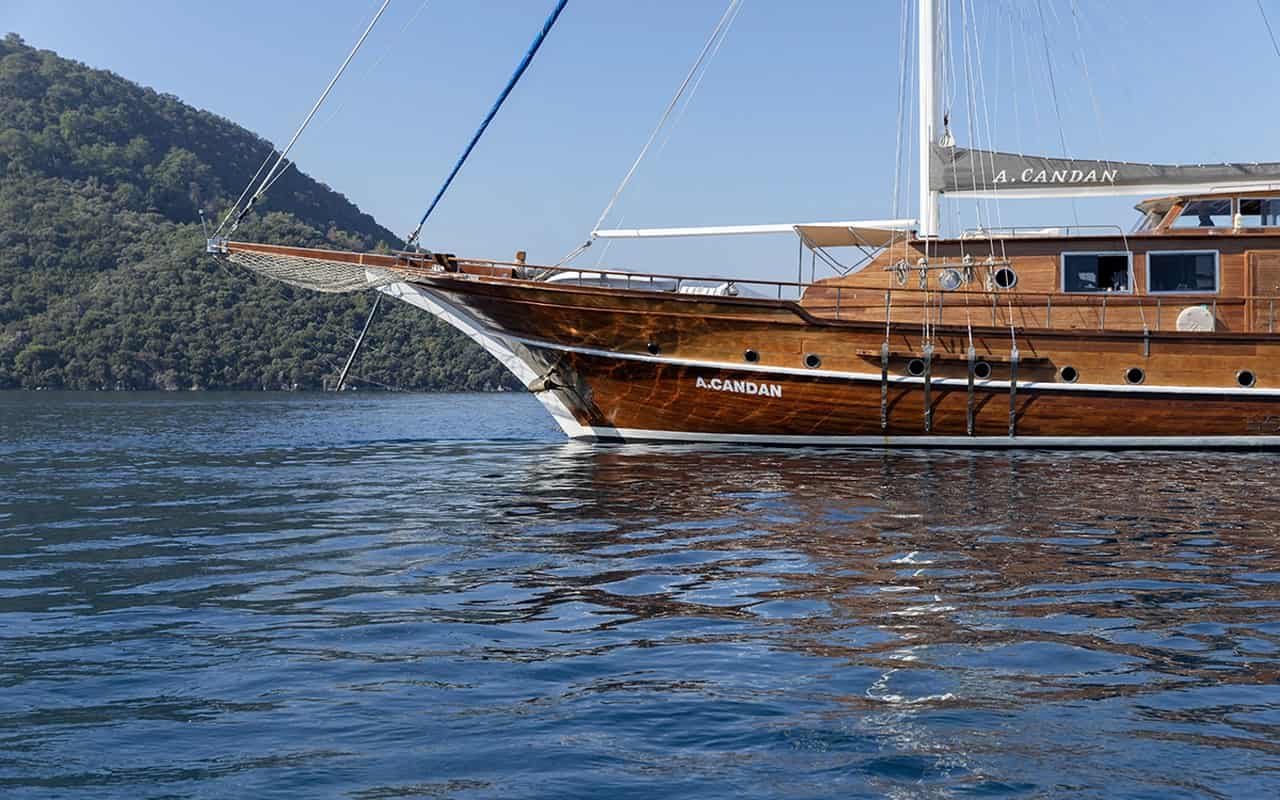
Wooden sailing yacht on calm blue water with forested hills in the background; hull reads 'A. Candan'.
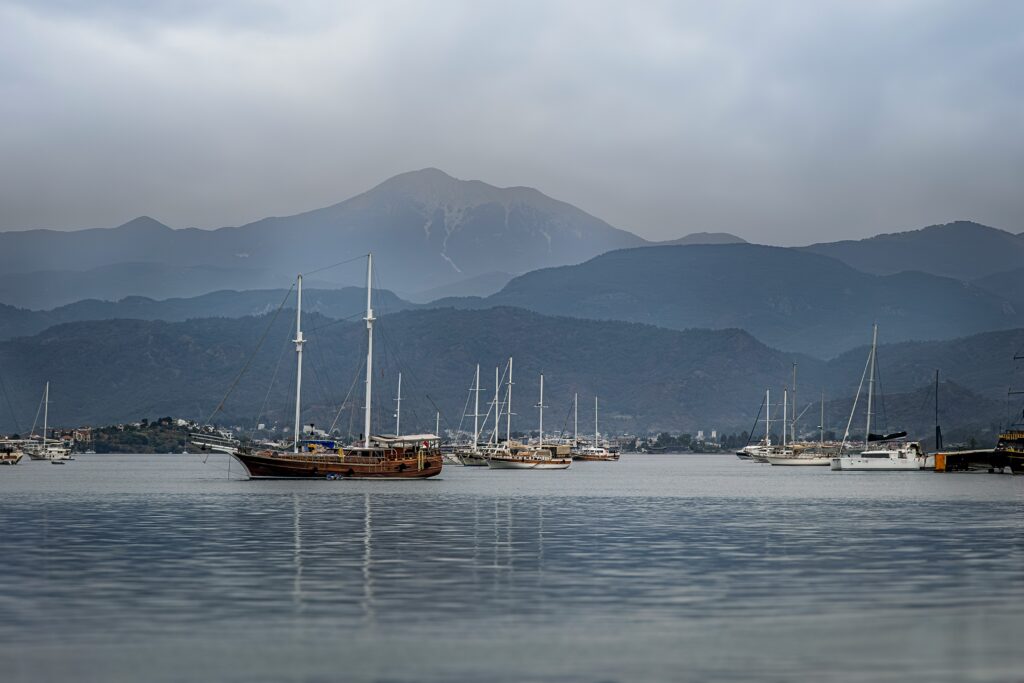
Sailboats docked in a calm harbor with a hazy mountain range in the background. A prominent wooden boat is in the foreground.

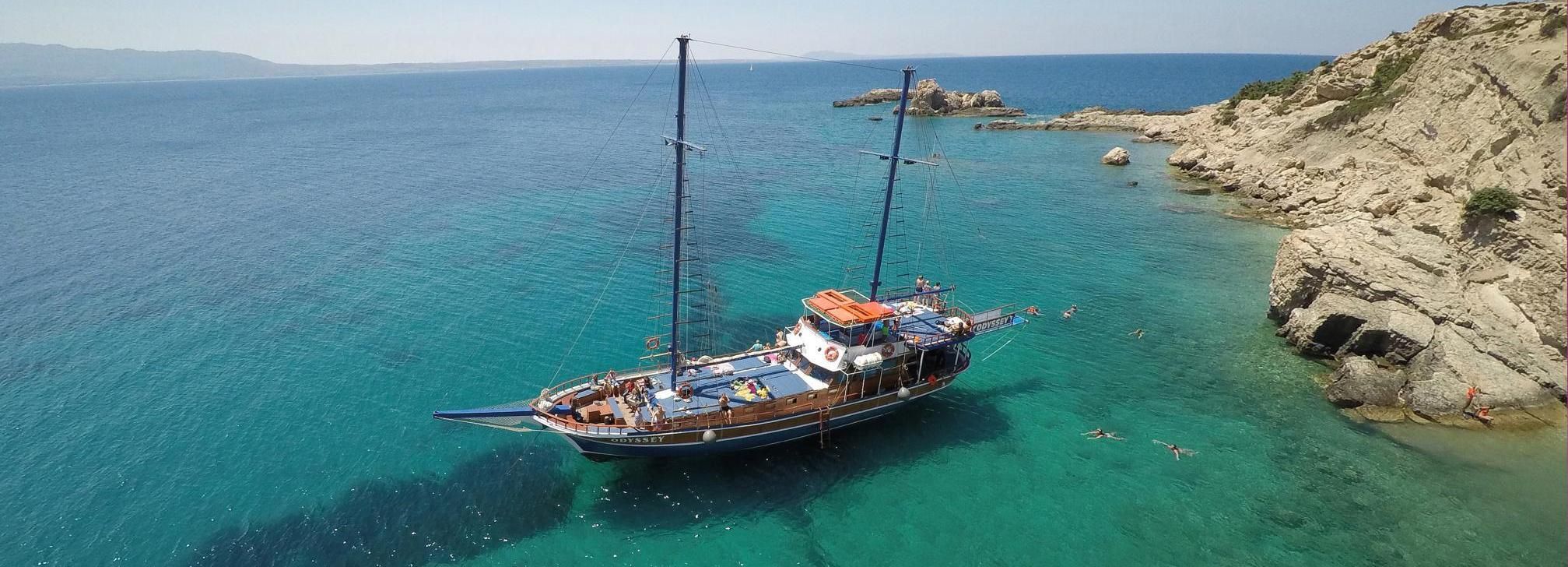
A gulet cruise in Greece is one of those travel experiences that’s almost impossible to explain without having done it. It’s part sailing adventure, part beach holiday, part social experiment – and entirely unlike any other way of exploring the Greek islands. Here’s what a week on board is actually like, from the moment you step on deck to the bittersweet Saturday morning goodbye.

What Is a Gulet?

Before I did this trip, I genuinely didn’t know what a gulet was. I pictured something between a yacht and a pirate ship, and honestly, that’s not far off. A gulet is a traditional wooden sailing vessel, originally built by Turkish and Greek boat builders for fishing and cargo, that’s since been converted into a comfortable (if compact) cruising boat. Think wide wooden decks, a shaded dining area, sun loungers up top, and a handful of cabins tucked below.

Unlike a big cruise ship, a gulet usually carries somewhere between 15 and 40 guests, plus a small crew – a captain, a chef, and a couple of deckhands. There’s no theatre, no casino, no ten different restaurants. What you get instead is something much simpler: the sea, a handful of islands, good food, and a group of strangers who become friends faster than you’d expect.

Day 1 – Arriving in Port


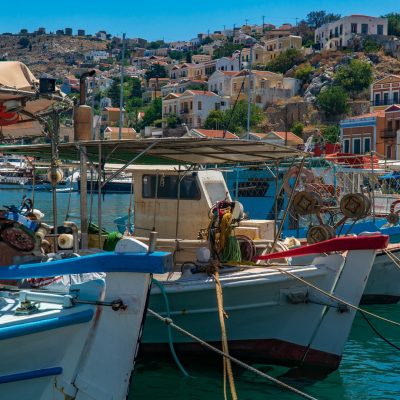
I remember standing on the dock with my suitcase, squinting at rows of wooden boats trying to figure out which one was mine. There’s a nervous energy to that first afternoon. You check in, someone shows you to your cabin, and you dump your bags in a space that’s smaller than you imagined but somehow feels exactly right once you’re actually there.

Day one is all about settling in. You meet your cabin mates if you’re travelling solo, you get the safety briefing, and you start clocking faces – the couple from Manchester, the group of friends from Melbourne, the solo traveller who “just needed a break.” Nobody knows each other yet. By the time the boat pulls away from the harbour, though, that awkwardness starts melting fast. There’s usually a welcome dinner that first night, and it’s the first proper chance to actually talk to the people you’ll be spending the next week with.

A Typical Day at Sea


Ask anyone who’s done a gulet cruise what surprised them most, and most people will say the same thing: how relaxed the routine is. There isn’t really a “typical” day so much as a rhythm you fall into.

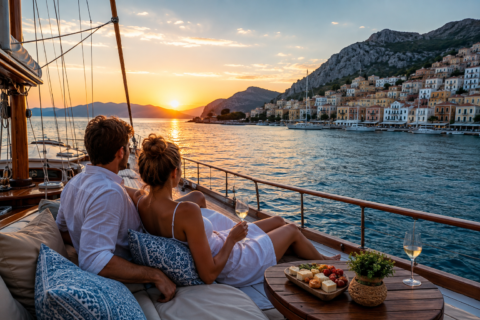
Mornings start early, but not in a bad way. You wake up to the gentle rock of the boat, the smell of coffee drifting up from the galley, and morning breakfast laid out on deck – fresh bread, yoghurt, honey, fruit, maybe some eggs if the chef is feeling generous. Eating breakfast with the sea stretching out in every direction is one of those small pleasures that gets old the least out of everything on the trip.

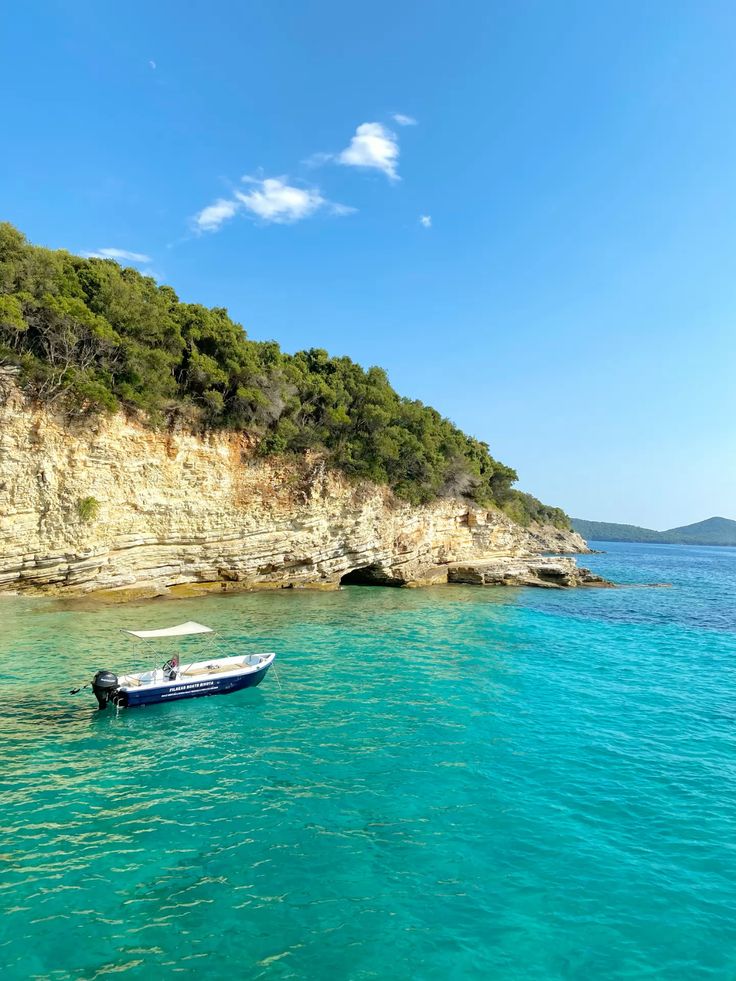
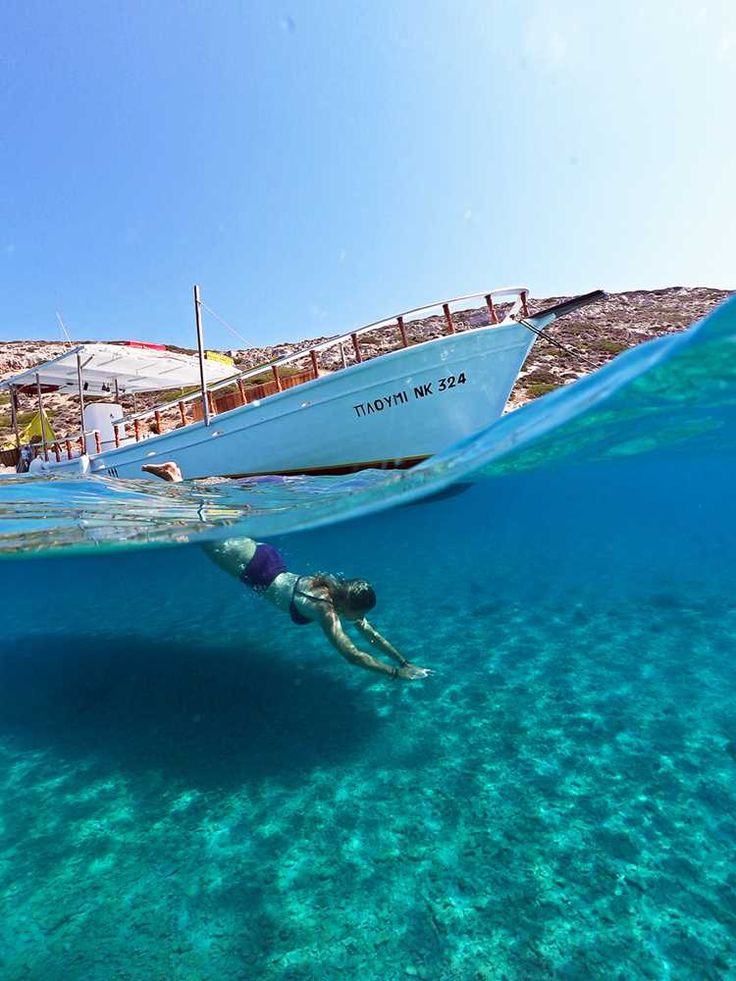
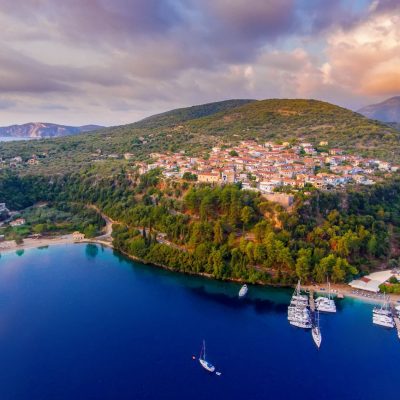
After breakfast, the boat sets sail for the next stop. Most days include at least one, often two, swimming stops in bays that you genuinely can’t reach any other way – no roads, no crowds, just turquoise water and the boat anchored a few metres offshore. One of the standout moments most people talk about is the Blue Lagoon at Sivota, a stretch of impossibly clear water tucked into the Ionian coastline that looks almost artificial, like someone added a filter to real life.

Lunch happens on board, usually after a swim, and then the afternoon is yours – nap on deck, read a book, jump in again, chat with whoever’s around. By late afternoon, the boat is usually pulling into that night’s port.Before setting sail, many travellers check live wind and weather conditions using Windy.

Evenings in Port


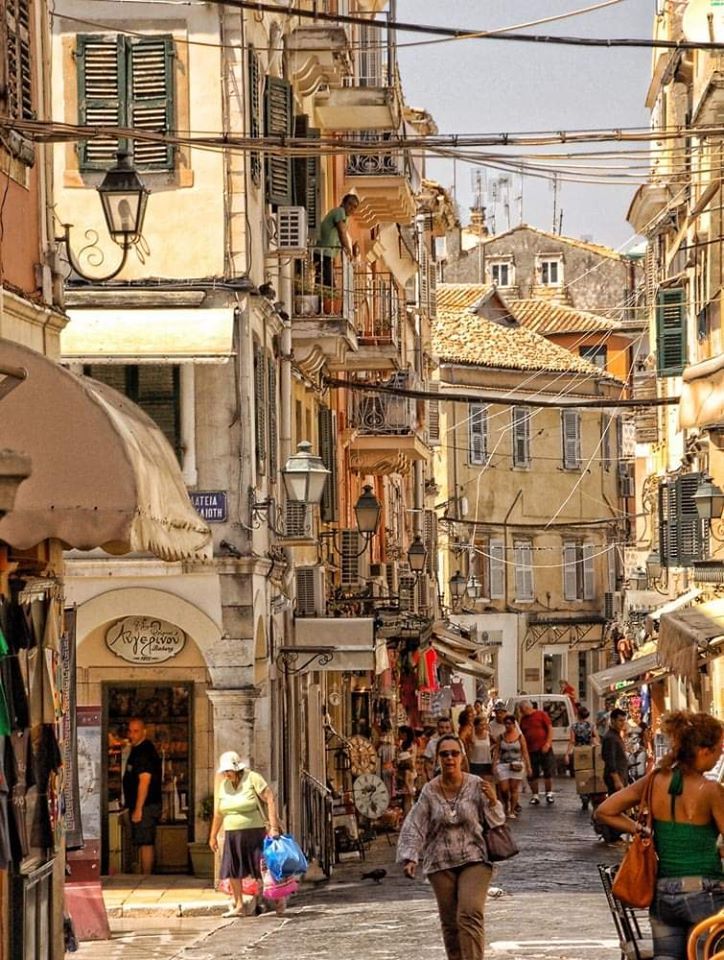
This is where the day shifts gear. Once the boat is docked, you’ve got a few hours before dinner to wander the small island village you’ve pulled into – cobbled streets, tavernas with plastic chairs and unbeatable views, little shops selling sandals and jewellery. Some of these villages barely register on a map, which is exactly the point. You’re not seeing the Greece from the postcards; you’re seeing the Greece that’s still just getting on with its own life.

One evening that stands out on most itineraries is a stop in Plataria, where there’s often an olive oil tasting arranged with a local producer. It sounds like a small thing until you’re actually sitting there dipping bread into oil that was pressed a few kilometres away, listening to someone explain the difference between varieties you never knew existed. It’s the kind of detail that makes the trip feel like more than a beach holiday.

Dinner is either back on the boat or at a taverna in port, depending on the night, and the highlight of the week for a lot of people is the Captain’s Dinner – a slightly dressed-up final evening where the crew puts on a proper spread, and there’s usually a bit of dancing, some toasts, and a lot of photos being taken. It has a bittersweet feel to it, because everyone knows what it means: the trip’s nearly over.

The Food on Board


I wasn’t expecting much from boat food, if I’m honest. What actually happens is that most gulets have a chef cooking fresh meals daily, and it’s genuinely one of the better parts of the trip. Breakfast is simple and plentiful. Lunch is usually a spread of Greek dishes – salads, grilled meat or fish, dips, fresh bread – laid out buffet style so you can go back for seconds. Dinners vary more, sometimes on board, sometimes at a taverna ashore.

It’s not fine dining, and nobody’s pretending it is. But there’s something about eating fresh, simple food outdoors, with the sea right there, that makes it taste better than it probably would anywhere else.


The Cabins


Let’s be honest about this bit, because it’s the part people are most curious about and most likely to be surprised by. Cabins on a gulet are small. You’re not getting a hotel room – you’re getting a compact space with a bed, some storage, and usually an ensuite bathroom that doubles as the shower. Air conditioning is often available but sometimes runs on a schedule or costs extra, so nights can get warm, especially in peak summer.

That said, you don’t spend much time in the cabin. Most of the trip happens on deck – eating, chatting, sunbathing, sleeping under the stars if that’s your thing. The cabin is really just where you crash at the end of a long day, and once you accept that, the size stops mattering nearly as much as you’d expect.


The Social Side


Nobody really prepares you for how social this trip is. You’re sharing a boat with strangers for a week, and there’s nowhere to hide from that – which sounds intense, but in practice it’s one of the best parts. Meals are shared, deck space is shared, and conversations start easily because everyone’s in the same boat, quite literally.

By day three or four, you’ve usually got a little crew of your own – people you swim with, sit next to at dinner, stay up late talking to under the stars. It’s not unusual to leave a gulet cruise with a handful of new friends you’re already planning to visit. There’s something about being disconnected from ordinary life, with no phones glued to faces and nothing to do but be present, that speeds up how quickly people connect.


What’s NOT Included


It’s worth being upfront about this, because it changes how you budget for the week. Most gulet cruises include your cabin, meals on board, and the crew’s services, but there are a few things that typically come as extras:

  • Drinks – most boats run a bar tab you settle at the end of the week
  • Air conditioning, on some boats, if you want it running overnight
  • Excursions or activities in port, like guided tours or watersports
  • Tips for the crew, which are appreciated but not mandatory
  • Flights and travel insurance to get you to and from the departure port

None of this is hidden or sneaky, but it’s easy to assume a cruise is fully “all-inclusive” when it isn’t quite. Budgeting an extra amount for drinks and the odd excursion will save you from any surprises.

Is a Gulet Cruise Worth It?


Honestly? For the right kind of traveller, yes. If you want five-star luxury, room service, and total privacy, this probably isn’t it – the cabins are small, the schedule can shift with the weather, and you’re sharing the whole week with a boat full of strangers. But if you want a genuinely different way to see the Greek islands, one that mixes swimming in hidden bays, wandering through small villages, eating good food outdoors, and meeting people from all over the world, it’s hard to think of a better way to do it.

It’s not a passive holiday where things happen around you. It’s one where you’re part of it – helping with a rope now and then, jumping off the side of the boat because someone else just did, staying up later than planned because the conversation’s too good to leave. That’s the part that’s hard to explain until you’ve actually done it.


What guests are saying


“The evenings in each little port were magical – quiet harbours, great food, and stargazing from the deck.” – Jeremy

“We visited quiet bays for swimming, snorkelled in crystal-clear waters, and explored old ruins. It exceeded all our expectations.” – Stauroula

“We explored hidden coves, swam in turquoise bays, and enjoyed amazing meals on deck. It was one of the most peaceful trips I’ve taken.” – Roger


Frequently Asked Questions


How many people are on a typical gulet cruise? It varies by boat, but most gulets carry somewhere between 15 and 40 guests, plus a small crew.

Do I need any sailing experience? No. You’re a guest, not crew. The captain and deckhands handle the sailing – you’re free to relax, though you can always ask to get involved if you’re curious.

Is there Wi-Fi on board? Some boats offer limited Wi-Fi, but signal can be patchy once you’re out at sea. Most guests find it’s actually a nice excuse to switch off for the week.

What should I pack? Light, breathable clothing, swimwear, a hat, reef-safe sunscreen, and a light jacket for cooler evenings. Cabin storage is limited, so a soft duffel bag packs better than a hard suitcase.

Is it suitable for solo travellers? Very much so. The social nature of the trip makes it one of the easier ways to travel alone and still end up surrounded by people by the end of the week.

What happens if the weather turns bad? Captains adjust the itinerary as needed for safety, sometimes swapping stops or delaying a swim. It’s rare for weather to derail a trip entirely, but some flexibility is part of sailing.

When’s the best time to go? Peak summer (July-August) means warm water and lively evenings, but it’s also the busiest and hottest. Late spring and September offer quieter ports and more comfortable temperatures.

Ready to experience it for yourself? Browse our Greece cruise dates for 2026 and 2027 – most summer departures sell out early.

Best Time to Sail Greece: A Month-by-Month Guide

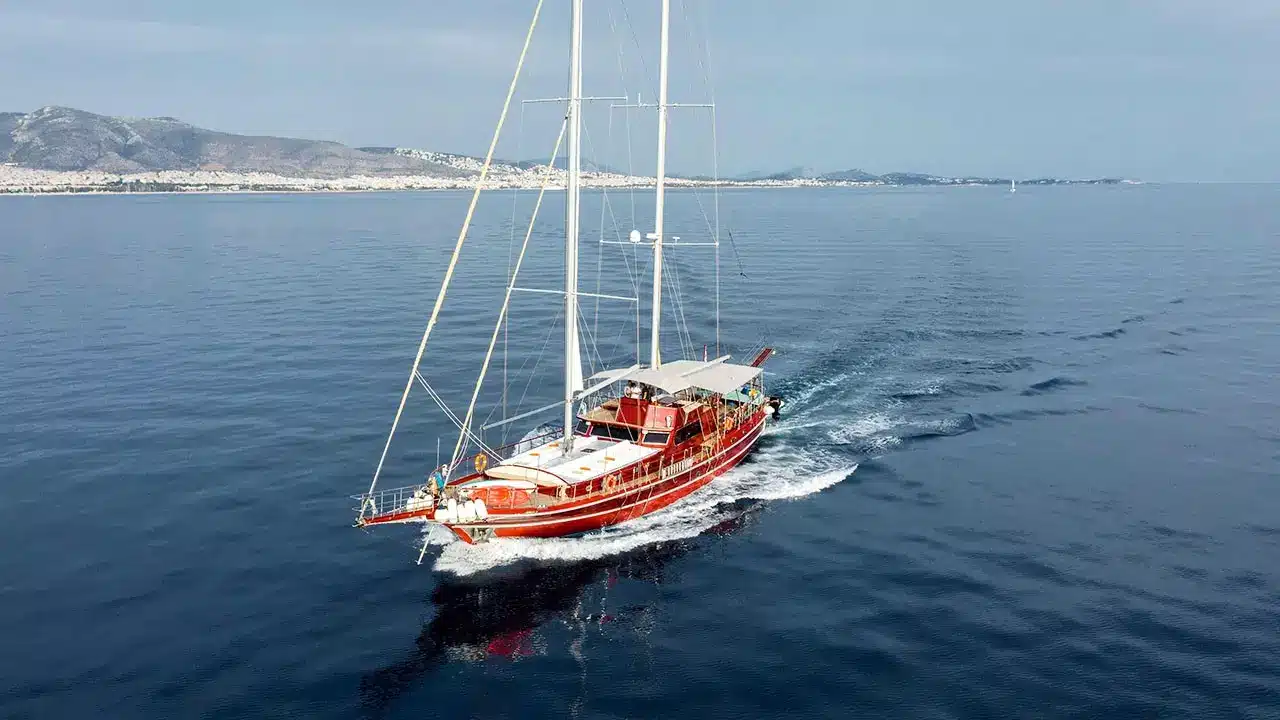
Red sailboat cruising on calm blue sea with distant coastline and hills in the background, mast towering above.
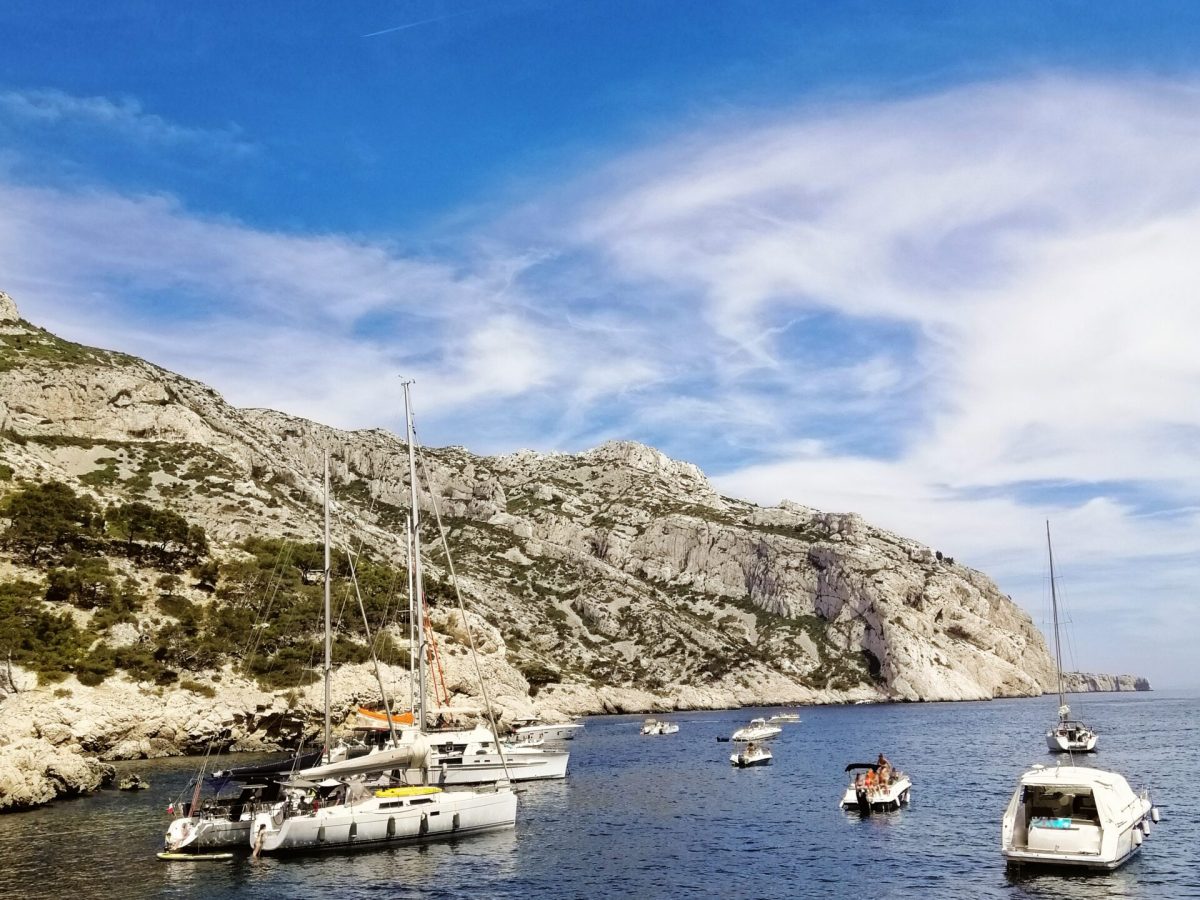
Harbor scene with several sailboats anchored in calm blue water near rocky coastline under a clear sky.

The bexst time to sail Greece is May-June and September-October, when the Aegean and Ionian seas are calm, temperatures are warm but not extreme (22-28°C), and the islands are not yet overwhelmed with summer visitors. July and August offer the warmest swimming weather but bring the Meltemi winds in the Aegean and the highest prices of the season.

Choosing when to sail matters just as much as choosing where to sail. Greece’s coastline spans several distinct sailing grounds – the sheltered Ionian, the wind-swept Cyclades, the scattered Dodecanese, and the compact Saronic Gulf – and each responds differently to the seasons. A month that delivers perfect conditions in one region might bring strong winds or overcrowded ports in another. This guide breaks down what to expect month by month, explains the Meltemi wind that defines Aegean sailing, looks at how 2026’s new tourism caps on islands like Santorini and Mykonos are changing the way people should plan their trips, and compares the best timing across Greece’s four major cruising routes.

Quick Summary Table

MonthAvg TempSea TempCrowdsPriceOur Rating
May22°C20°CLowLow★★★★☆
June26°C23°CMediumMedium★★★★★
July30°C26°CHighHigh★★★☆☆
August32°C27°CVery HighHigh★★★☆☆
September28°C25°CMediumMedium★★★★★
October23°C22°CLowLow★★★★☆


Sailing Greece Month by Month


May

Weather: May marks the true opening of the Greek sailing season. Days average around 22°C, with plenty of sunshine and cooler evenings that make for comfortable sleeping aboard. Rain is rare, and the light is soft and clear.

Sea temperature: At roughly 20°C, the sea is swimmable for most people, though it hasn’t yet reached the balmy warmth of high summer. A wetsuit is optional but appreciated by those sensitive to cooler water.

Crowds: Very low. Marinas are quiet, tavernas have space, and popular anchorages that get packed in August are often empty or hold just a handful of boats.

Prices: This is one of the most budget-friendly months to charter. Boat rental rates, mooring fees, and shoreside dining are all noticeably cheaper than peak summer.

Is it good for sailing? Yes – May is one of the best months on the calendar. Winds are generally light to moderate and predictable, making it ideal for relaxed cruising, families, and less experienced sailors. The only caveat is that some smaller island tavernas and services haven’t fully opened for the season yet.


June

Weather: June brings reliably warm, dry days with temperatures climbing to around 26°C. This is arguably the sweet spot of the Greek summer – hot enough for full beach days, but not yet oppressive.

Sea temperature: The sea warms to about 23°C, comfortable for extended swimming and water sports without hesitation.

Crowds: Moderate. School holidays haven’t started across most of Europe, so islands are livelier than in May but still far from the saturation of July and August.

Prices: Mid-range. Rates begin to rise from the May low season but remain well below the July-August peak.

Is it good for sailing? Excellent – June earns the top rating in our table. Sea and air temperatures are ideal, the Meltemi hasn’t fully established itself in the Aegean, and there’s enough energy in the ports and towns to enjoy without fighting crowds.


July

Weather: July is peak Mediterranean summer, with average temperatures around 30°C and long, cloudless days. Heat can be intense at midday, especially at anchor with no breeze.

Sea temperature: At 26°C, the water is at its warmest and most inviting for swimming, snorkeling, and diving.

Crowds: High. This is one of the two busiest months of the year, with popular islands like Mykonos, Santorini, and the Ionian hotspots seeing significant tourist traffic.

Prices: High. Charter rates, accommodation, and dining all sit at or near their seasonal peak.

Is it good for sailing? It’s a mixed picture. July delivers reliably hot, sunny weather perfect for swimming, but the Meltemi wind typically strengthens in the Aegean during this month, bringing sustained northerly winds that can reach Force 6-7 and make some passages and anchorages uncomfortable or unsafe for inexperienced crews. The Ionian Sea, on the other hand, remains largely unaffected and sails beautifully in July.


August

Weather: August is the hottest month, often exceeding 32°C, with heat that can feel intense both on land and at sea, particularly in sheltered bays with little air movement.

Sea temperature: The warmest of the year at around 27°C, ideal for swimming at any time of day.

Crowds: Very high – the busiest month in Greece. Ports, anchorages, and island towns are at their fullest, and popular routes require earlier planning and booking.

Prices: High, on par with or slightly above July, especially around the August 15th public holiday (Assumption Day), which is one of the busiest travel weekends of the Greek calendar.

Is it good for sailing? August combines the best swimming conditions with the most challenging combination of Meltemi winds, crowded anchorages, and premium pricing. Experienced sailors who enjoy brisk downwind conditions in the Aegean can find August exhilarating, but those seeking calm, relaxed cruising may prefer the Ionian or a shift to September.


September

Weather: September offers a gentle transition out of peak summer, with average temperatures around 28°C and slightly shorter, more comfortable days.

Sea temperature: Still warm at roughly 25°C, having absorbed a full summer’s worth of heat.

Crowds: Moderate, easing steadily as the month progresses and European school holidays end.

Prices: Mid-range, with rates typically softening in the second half of the month.

Is it good for sailing? Yes – September ties with June as the top-rated month. The Meltemi begins to ease, the sea remains warm from summer, and the islands regain a more relaxed, authentic pace without sacrificing reliably good weather.


October

Weather: October sees average temperatures drop to around 23°C, with occasional rain becoming more likely, particularly toward the end of the month.

Sea temperature: At about 22°C, the water is still comfortable for swimming, though noticeably cooler than the summer peak.

Crowds: Low. Many seasonal businesses begin winding down, and the islands return to a quieter rhythm.

Prices: Low, making October attractive for budget-conscious sailors and those seeking a peaceful end-of-season cruise.

Is it good for sailing? Yes, particularly in the first half of the month. Conditions are similar in appeal to May – settled weather, light winds, and near-empty anchorages – though sailors should keep an eye on the forecast for the season’s first autumn depressions later in the month.


Understanding the Meltemi Wind

What is the Meltemi?

The Meltemi is a strong, dry, northerly wind that blows across the Aegean Sea during the warmer months. It’s driven by the pressure difference between a high-pressure system over the Balkans and a low-pressure system over Turkey and the eastern Mediterranean. Winds typically run from Force 4 to 6, but can gust to Force 7 or higher on the strongest days, particularly in the afternoon.Sailors can also monitor live wind conditions before departure using Windy.

When does it happen?

The Meltemi is most active from mid-June through September, with its peak intensity typically occurring in July and August. It tends to build through the morning, strengthen through the afternoon, and ease off overnight, giving sailors a predictable daily rhythm to plan around.For current weather forecasts and marine conditions, check Meteo Greece.

Which areas are affected?

The Meltemi primarily affects the Aegean Sea, including the Cyclades, the northern Dodecanese, and the waters around Athens and Evia. Its effects are strongest in open water and funnel through channels between islands, where wind speeds can increase significantly compared to the open sea.

Which routes avoid it?

The Ionian Sea, on the west coast of Greece, is sheltered from the Meltemi entirely and offers calm, gentle sailing conditions throughout the summer. Within the Aegean, the southern Dodecanese and the Saronic Gulf experience comparatively milder Meltemi effects than the central Cyclades, making them reasonable alternatives for sailors wanting Aegean scenery with less wind exposure.


Overtourism in 2026: Why It Matters for Sailors

Greece’s most iconic islands have reached a turning point in 2026, and the changes underway are reshaping how visitors should plan their trips. Santorini, long one of the most photographed destinations in the world, now allows only 8,000 cruise passengers per day, a cap introduced to ease the pressure on the island’s narrow caldera paths, cable cars, and clifftop villages that were buckling under the weight of tourism during peak season. For travelers arriving by conventional means, this has meant longer queues, tighter scheduling, and a scramble to see the island’s highlights within a shrinking window of time.Visitors can find official travel information and destination updates on the Official Greece Travel Guide.

Mykonos has followed a similar path, introducing its own visitor restrictions aimed at controlling the flow of tourists through its famous old town and beach clubs. These measures are a direct response to years of overcrowding that strained local infrastructure, drove up prices, and diluted the very charm that made these islands famous in the first place. For anyone planning a 2026 trip to the Cyclades, it’s now essential to factor these caps and restrictions into the itinerary rather than assuming spontaneous, unrestricted access.

This is where sailing by private gulet offers a genuine advantage. Arriving by sea means bypassing the cruise terminal queues, the shuttle bus bottlenecks, and the daily passenger caps that apply to land-based and cruise ship arrivals. A private yacht can time its approach to quieter hours, anchor away from the busiest ports, and give guests the flexibility to enjoy a sunset in Oia or a stroll through Mykonos town without competing with thousands of same-day visitors. In an era where Greece’s top destinations are actively managing overtourism, sailing isn’t just a romantic way to travel – it’s becoming one of the most practical ways to actually enjoy these islands.


Best Time to Sail by Cruise Route

Ionian Sea

The Ionian is Greece’s most forgiving sailing ground, protected from the Meltemi by the mainland and largely calm from late spring through early autumn. Best months: May through October, with June and September standing out for the ideal balance of warmth and low crowds. Even July and August, challenging elsewhere in Greece, remain pleasant here, making the Ionian a strong choice for families, beginners, or anyone prioritizing relaxed conditions over wind-driven excitement.

Dodecanese

Stretching along Greece’s southeastern edge near Turkey, the Dodecanese sees a milder version of the Meltemi than the central Aegean, particularly in its southern islands like Rhodes, Symi, and Kastellorizo. Best months: May, June, September, and October, when winds are manageable and temperatures are comfortable. July and August bring stronger afternoon winds and busier ports, especially around Rhodes, but remain sailable for those with more experience.

Saronic Gulf

Close to Athens and sheltered by surrounding landmasses, the Saronic Gulf experiences some Meltemi influence but generally less severely than the open Cyclades. Best months: May, June, September, and October offer the calmest, most pleasant sailing, while its proximity to Athens makes it a popular short-charter option year-round, including July and August for those based near the capital.

Aegean (Cyclades)

This is the heart of Meltemi territory and home to the most dramatic scenery – and the most demanding sailing conditions – in Greece. Best months: May, June, and September, when winds are lighter and more predictable. July and August bring the strongest, most consistent Meltemi winds, rewarding experienced sailors with fast downwind passages but posing real challenges for beginners, along with the heaviest crowds and highest prices of anywhere in Greece.


Frequently Asked Questions


  1. What is the single best month to sail in Greece? June and September are generally considered the best overall months, offering warm temperatures, a comfortably warm sea, manageable crowds, and lighter, more predictable winds than the height of summer.
  2. Is it safe to sail in Greece during the Meltemi season? Yes, with the right preparation. The Meltemi is strong but predictable, typically building through the afternoon and easing overnight. Experienced skippers plan routes and departure times around it, and sheltered areas like the Ionian Sea and southern Dodecanese see much less impact.
  3. Which is calmer for sailing, the Ionian or the Aegean? The Ionian Sea is significantly calmer, as it’s shielded from the Meltemi by the Greek mainland. The Aegean, particularly the Cyclades, experiences the strongest and most consistent summer winds in the country.
  4. Do I need sailing experience to charter a boat in Greece? It depends on the season and route. Calmer months like May, June, September, and October, along with sheltered areas like the Ionian and Saronic Gulf, are well suited to less experienced sailors, especially with a skippered charter. Peak-season Aegean sailing in July and August is best suited to more experienced crews due to stronger Meltemi winds.
  5. How does the Santorini cruise passenger cap affect a private sailing trip? The 8,000-passenger daily cap applies primarily to cruise ship arrivals and large-scale tourism operators. Sailing by private gulet allows more flexible timing and anchoring, helping guests avoid the queues and congestion tied to that cap and enjoy the island on a more relaxed schedule.

Final Thoughts


There’s no single “best” month to sail Greece – only the best month for what you’re after. If calm water, light winds, and quiet anchorages matter most, aim for May, June, September, or October. If you want the warmest possible sea and don’t mind stronger winds, bigger crowds, and higher prices, July and August in the Ionian or the sheltered Saronic Gulf can still deliver a fantastic trip, even if the open Cyclades are best left to more experienced crews during those months.

What’s changed heading into 2026 is that timing now matters even more. With Santorini’s daily cruise passenger cap and Mykonos’s own visitor restrictions reshaping how the busiest islands operate, travelers who plan around the calendar – and who choose flexible, private sailing over fixed cruise-ship schedules – are the ones best positioned to actually enjoy these islands rather than just tick them off a list. Whichever month you choose, matching your route to the season is the single biggest factor in having a smooth, memorable Greek sailing holiday.

Planning your own Greek island adventure? Sail in Greece offers private gulet charters across the Ionian, Aegean, Dodecanese, and Saronic – get in touch to find the best route and season for your trip.You can also explore more about Greece’s islands and travel experiences through the Official Greece Travel Guide.

The Ultimate Corfu Travel Guide

Corfu: The Ultimate Travel Guide

Everything You Need to Know Before Visiting This Greek Island Paradise


If you’re dreaming of crystal-clear waters, lush landscapes, and centuries of rich history, Corfu should be at the very top of your Greek travel list. This stunning island, located in the Ionian Sea off the northwest coast of Greece, blends Venetian, French, and British influences with traditional Greek charm — offering visitors a unique and unforgettable experience.

In this guide, you’ll discover everything you need to know about visiting Corfu, from its fascinating history and must-visit landmarks to the best beaches, restaurants, shops, and excursions.


A Brief History of Corfu

Corfu’s history is as rich and layered as its landscapes. The island has been inhabited since the Paleolithic era and has played a pivotal role throughout history due to its strategic location between Europe and the East.

In ancient times, Corfu was a powerful naval force. It was famously involved in the first naval battle recorded in Greek history and played a significant role in the Peloponnesian War. Over the centuries, Corfu was ruled by the Venetians, French, and British, all of whom left their mark on the island’s architecture, cuisine, and culture.

Unlike much of Greece, Corfu never fell under Ottoman rule, giving it a uniquely European feel. Today, Corfu’s Old Town — a UNESCO World Heritage Site — stands as a testament to its layered history, filled with narrow cobblestone alleys, grand mansions, and impressive fortresses.


Best Beaches in Corfu

Corfu boasts some of the most beautiful beaches in the Greek islands. Here are a few you can’t miss:

1. Paleokastritsa Beach

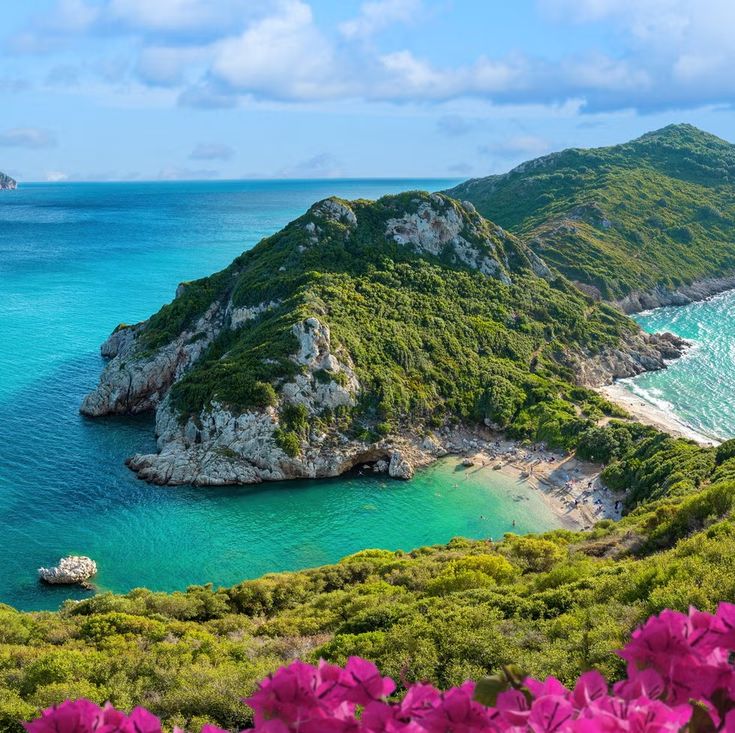
Turquoise waters and a backdrop of lush green hills make Paleokastritsa one of Corfu’s most famous beaches. It’s perfect for snorkeling, swimming, and boat trips.

2. Glyfada Beach

A favorite among locals and tourists alike, Glyfada offers golden sands, clear waters, and excellent beach bars.

3. Sidari and the Canal d’Amour

The northern coast’s Sidari Beach is famous for its unique sandstone formations and the romantic Canal d’Amour, where legend says couples who swim through it will marry soon.

4. Barbati Beach

A pebbly beach with crystal-clear waters, ideal for those seeking a quieter, more relaxed vibe.

5. Issos Beach

Located in the south, Issos features wide sandy shores and a nearby protected nature reserve — perfect for nature lovers.

Excursions and Day Trips from Corfu

Corfu offers plenty of memorable excursions, both on land and at sea:

1. Boat Trip to Paxos and Antipaxos

Take a boat excursion to the neighboring islands of Paxos and Antipaxos, famous for their stunning blue caves and translucent waters.

2. Island Safari Jeep Tours

Explore Corfu’s rugged interior, charming villages, and olive groves on an off-road adventure.

3. Corfu Wine Tours

Corfu’s wine industry is blossoming. Visit local wineries to sample indigenous varieties like Kakotrygis.

4. Kassiopi Fishing Village

A picturesque seaside village in the northeast, perfect for a laid-back day of seafood lunches and coastal walks.

5. Walking Tours of Corfu Town

Join a guided walking tour to discover hidden alleyways, historic mansions, and local legends.

Practical Travel Tips for Visiting Corfu
Best Time to Visit:


  • Late April to early June and September to October offer the best weather without the intense crowds.

Getting There:


  • By Air: Corfu International Airport (Ioannis Kapodistrias) welcomes both international and domestic flights.

  • By Ferry: Regular ferries connect Corfu to mainland Greece (Igoumenitsa) and Italy.


Getting Around:


  • Car Rental: Highly recommended if you want to explore beyond Corfu Town.

  • Buses: An affordable way to visit popular beaches and villages.

  • Taxis and Water Taxis: Available but can be pricey in high season.

Final Thoughts: Why Corfu Should Be Your Next Greek Island Destination

Corfu offers a rare combination of natural beauty, deep history, cosmopolitan culture, and warm Greek hospitality. Whether you’re wandering the charming streets of Corfu Town, lounging on golden beaches, or dining al fresco under the stars, every moment on this island feels like a scene from a dream.

Perfect for couples, solo travelers, and families alike, Corfu stands out even among the glittering jewels of the Greek islands. So pack your bags, prepare your senses, and get ready to fall in love with Corfu — a destination that’s impossible to forget.

Sporades

TRAVEL GUIDE SPORADES

Perfect for exploring the Sporades islands


Our charter base on the main port of the island of Skiathos is perfect for experiencing the adjacent areas and for cruises further away on the southern part to other famous Sporades Islands including Skopelos, Skyros, Peristera and Allonisos with its breathtaking marine underwater park! You are more than welcome to choose which Sporades islands you will visit and which itinerary you take! Our Sail in Greece team based on our local experience will guide you and create the best route for your gulet holidays. Skiathos is a popular destination with direct charter flights from many European countries flying  to the island. If you are not able to fly directly to Skiathos there is always the possibility to fly to Athens airport and then with just a 1:30 minutes bus ride you can reach the traditional village of Agios Konstantinos, from where we can as well start your Sporades cruise. Sail in Greece can guide you through out the process, just email us : info@sail-ingreece.com and we will take it from there.

Below you can find the most popular beaches around Sporades islands which make a Sporades boat tour the best way to explore them

Koukounaries Beach Skiathos Island

Koukounaries is the most popular beach in Skiathos island. Situated on the southern side, this is a spacious covge with sugar white sand and circled by nature. Very popular during high season with some beach bars and tavernas along the beach visiting by boat is a must to avoid crowds.


Lalaria Beach Skiathos Island

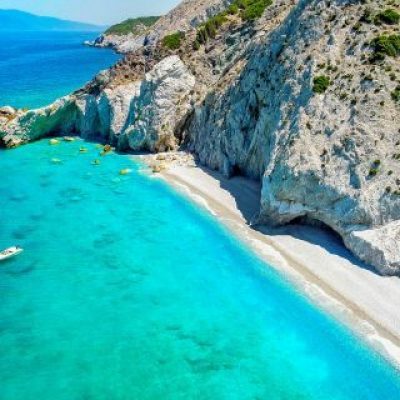
Only accessible by boat from the main port of Skiathos, Lalaria is located on the northern edge of Skiathos and is a breathtaking place of amazing beauty with large rocks rising out of the crystal clear turquoise sea waters.

Panormos Beach Skopelos Island

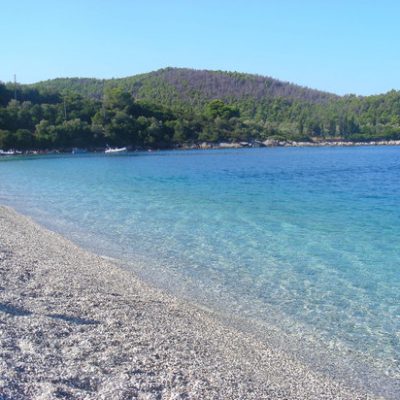
Situated on the southeastern side of Skopelos island, Panormos is a spaciousbay with soft white-washed pebbles and amazing clear water. With a heeling atmosphere and authentic nature all around, this is an amazing beach for families with kids and overall for people looking to relax close to nature.

Stafylos Beach Skopelos Island

Situated on the southern side of Skopelos island, Stafylos bay has been named by the Greek word ”stafyli” which means grape, as the surrounding area was rich in vineyards back in the old times. This is a beautiful coce with green trees around and crystal clear turquoise water.

Agios Dimitrios Beach Alonissos Island

Agios Dimitrios is a large bay on the northern side of Alonissos island. Part of the beach is organized with sunbeds and umbrellas, which makes it a perfect place for peaceful holidays. White little pebbles cover this spacious bay that distinguishes for the crystal waters and the beautiful natural environment. During high season Agios Dimitros beach gets very busy, so visiting her by private boat is recommended if you prefer to avoid the crowds.

Our gulets in Skiathos are available all year round and include a wide variety of our most popular amenities on board. Browse here our gulet fleet.  Special private charter arrangements can be agreed as well including day charters for sightseeing and gulet rentals for special events including business cruises, weddings and honeymoon trips or hen parties.

For any further information you can always email us : charter@sail-ingreece.com

Ios

TRAVEL GUIDE IOS

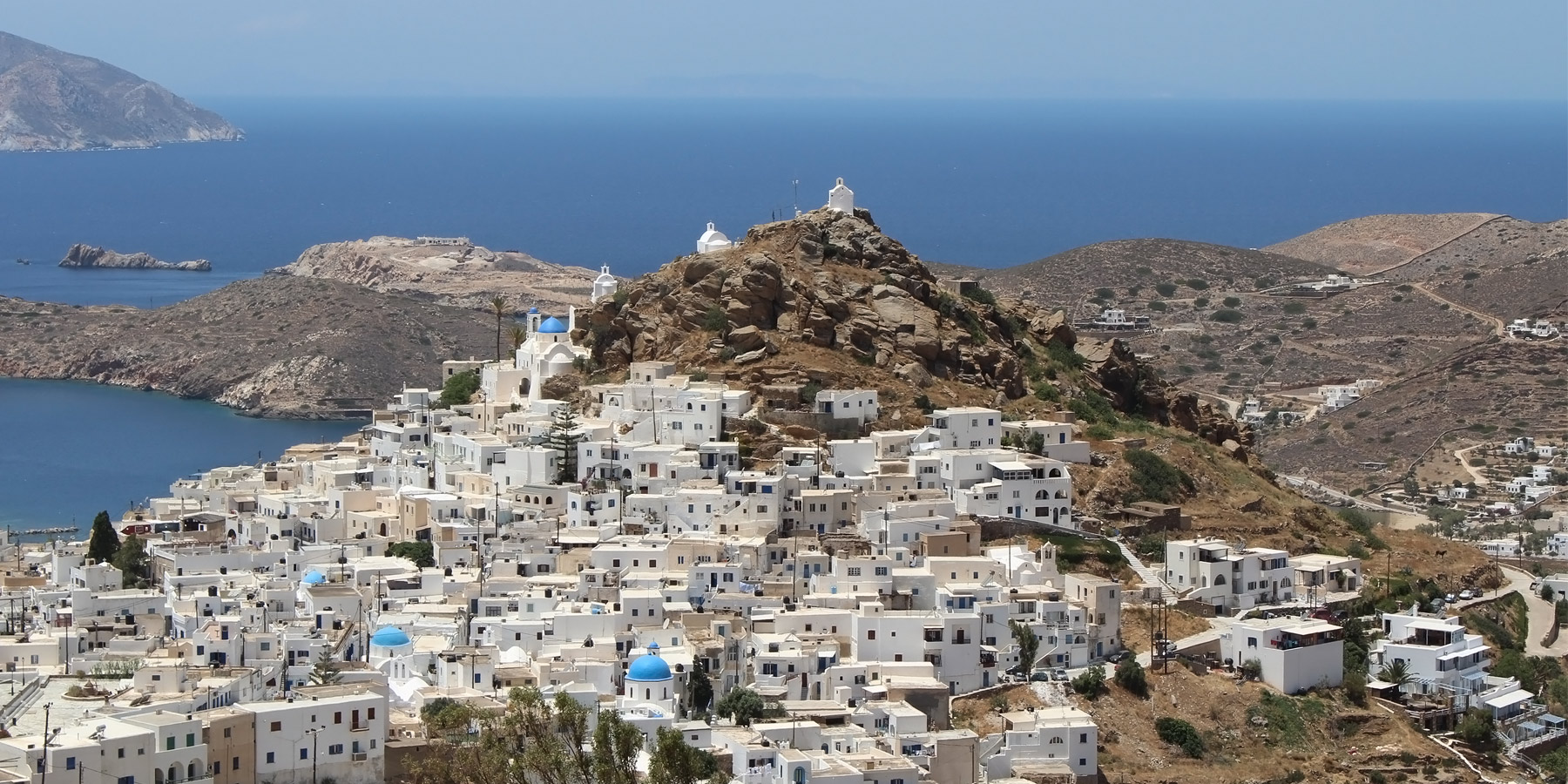
Ios is one of the most picturesque islands of famous Cyclades and one of the most breathtaking islands in the Aegean Sea. It is circled by Santorini, Paros, Naxos and Folegandros. Ios attracts every year a large amount of tourists, mainly younger people, due to its notoriously large variety of bars and clubs mainly situated in traditional Ios Town ( called Hora as well), 15 minutes walk from Ios port.

The jaw dropping beaches, infinite chapels and many archaeological interest points, white-washed houses and crystal clear waters offer the island its Cycladic famous beauty. It is a true fact that based on the ancient tradition, Íos was the homeland of Homer’s mother and the last resting island of the glorious epic poet.

Ios features a large variety of sightseeing places and spots of authentic natural charm, all combined with the unique and cozy Cycladic character that make her ideal for sailing. A large amount of beaches are accessible only via boat or they are ideal for anchoring with the boat and overnight at their peaceful environment. Some of the beaches listed below are included as a swim stop on our Mykonos Cruise where during our 8 day cruise we overnight at Ios. if you wish to rent a boat as private and have full flexibility you can check our gulet fleet here.

Mylopotas Beach

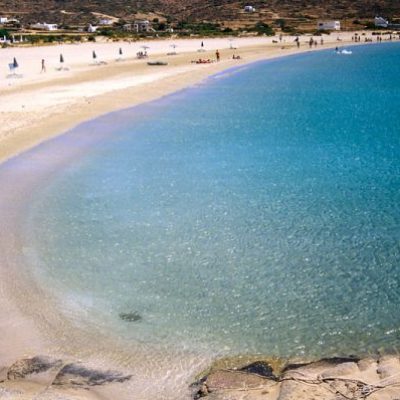
South west of Chora, Mylopotas beach, the busiest beach of Ios where Far Our camp is located as well, can get really busy during summer. The long white sandy beach extends for one kilometre and offers sun beds, beach bars, cafes, tavernas and water sports. We have a swim stop during our Mykonos cruise at Mylopotas Beach.


Manganari Beach

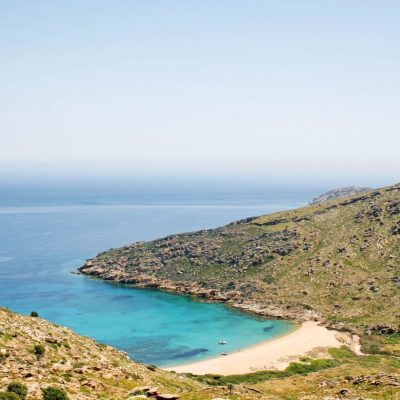
About 13 miles from Ormos harbour, on the southern part of Ios, at the near end of Mylopotas bay, a winding road climbs up the mountain and turns right before Kalamos monastery to get to the amazing and almost deserted Manganari cove. This breathtaking bay is divided into four idyllic coves with sugar-white sand or pebbles, and shallow turquoise waters. The particular bay is ideal for overnight stay on a boat, due to its quite and peaceful environment and the jaw dropping surroundings. Swim stop on our Mykonos cruise being one of the most popular ones amongst our guests, is the most photographed swim stop of all.

Papa beach

Little white-sugar sandy beach near the cove of Kalamos. The particular beach is not well organized, but the wilderness of its scenery and the light blue waters definitely repay the trip.

To sum up, whether you rent a boat as private for your group ( Gulet Fleet) or join our scheduled Mykonos Cruises, sailing in Ios is by far the best way to explore her.

If you have any requests or you wish any further assistance you can always email us : info@sail-ingreece.com

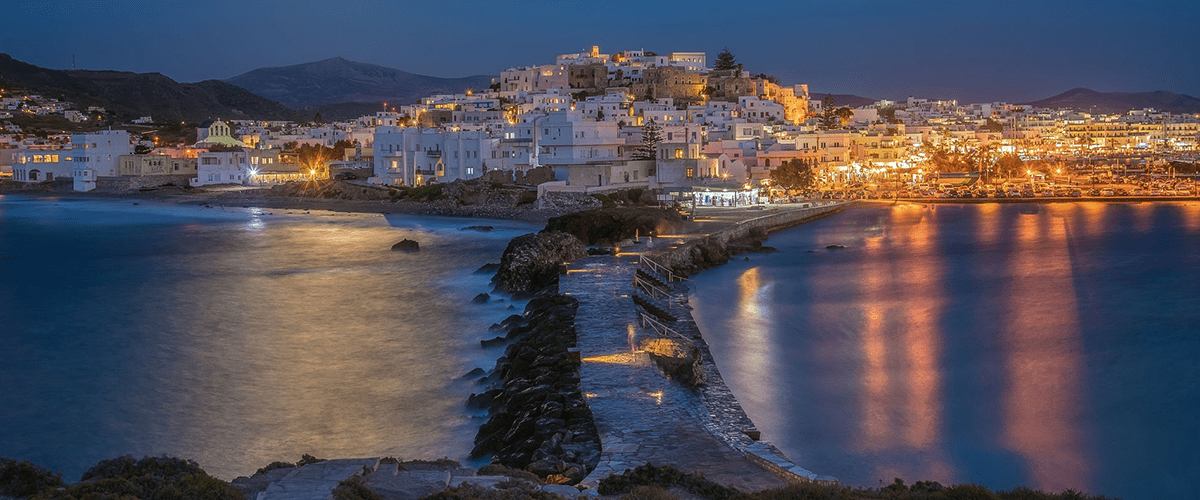
Naxos

Naxos sailing trips

One of the most exciting ways you may enjoy while on Naxos is sailing cruises. It is at the same time the best way to experience the island’s breathtaking coastline and cruise to the adjacent islands. Naxos boat trips are usually organized on a daily scale, but do not leave much of a time for exploration. We highly suggest to join a multiday sailing either as a private group to rent your own boat or an organized cruise. The itinerary is subject to change, always weather dependent as most of the times it is the strong wind that defines the boat route. With safety first always, the captain of the boat sets sail normally from the port of Naxos Town or from another pre-arranged pick-up point where the group can reach the boat easier and start their cruising holidays.

You may rent any of the available gulets online from our available gulet fleet ( Click Here) before coming to Naxos or wait till you arrive there and arrange a pick up service. Please take into consideration that availability depends on seasonality so make your plans early enough to make sure your plans will not be disrupted..

A cruising vacation includes swimming at secluded private bays, experiencing hidden coves and gems, diving from the boat or from natural cliffs, taking lots of Instagram photos (some of which can be underwater), enjoying cruising lessons from your captain on board and of course freshly prepared meals and drinks served.

Organized daily sailing tours will not get you too far from Naxos. You might be able to  visit coastal Paros, Antiparos, Schinoussa, Koufonissia but not all within the same trip. We organize an 8 day cruise from Mykonos ( Mykonos Cruise) where you will have 8 days cruising around the Cyclades where you will visit at your own pace and on relax mode multiple islands on the way such as Naxos, Paros, Antiparos, Mykonos, Ios, Little Cyclades.

There is always the alternative of wishing to spent for a 2 or 3 day boat tour. In that case, you will need to rent the entire boat to yourself and your group, which will definitely increase the cost but will give you the full freedom to arrange your holidays as per your wishes. Check our gulet fleet and send us an email for detailed offers. You can cruise around the Aegean Sea, visit many of the Cyclades islands you wish (Mykonos, Santorini, Ios, the Small Cyclades) or simply enjoy the comfort and luxury of a gulet with your friends.

Gulet rentals have taken off in the last years and many online or offline brokers have emerged in the yacht market making it a very profitable tourist business. We are the boat owners, so be booking with us direct you make sure best prices are warranted. It is also not uncommon to charter a gulet cruising all the way from Athens. Available ports for our gulets are in Zeas, Lavrio and Flisvos where they offer multiple services along the way

While on board, the captain might have already organized couple of special events, depending on the weather conditions and the number and average age range of guests. Our cruises normally offer much more than just a Naxos sailing trip. And, even though all captains & crew sailing from Naxos are very well experienced to the local prevailed weather conditions, marine life can be fully unpredicted. That is  the main reason why guests are expected to see a short term safety briefing presented by their captain, that will safeguard their safety.

To sum up, if you are looking to join a Naxos sailing, you can either charter one of our gulets as private for your group only fully flexible ( Gulet Fleet) or join our scheduled cruises from Mykonos that include Naxos and many more Cycladic islands on the way.

Lefkada

Sailing cruises around Lefkada

Experiencing the Ionian Islands under by a motorized gulet is the best way to unwind on vacations. Renting a boat offers you the flexibility to anchor in one of the beautiful bays, coves or inlets and explore some of the vast variety of the small Greek fishing ports. Whether you choose to look around the enchanting coastlines of Lefkada or spend time cruising around the neighbor islands or the mainland coast, you will have an unforgettable experience.

But why to rent a boat as Lefkada is the best way to explore her?

There are multiple secluded beaches that are best to reach by boat, private coves accessed only by boat and many adjacent Greek islands to Lefkada that worth visiting as well.

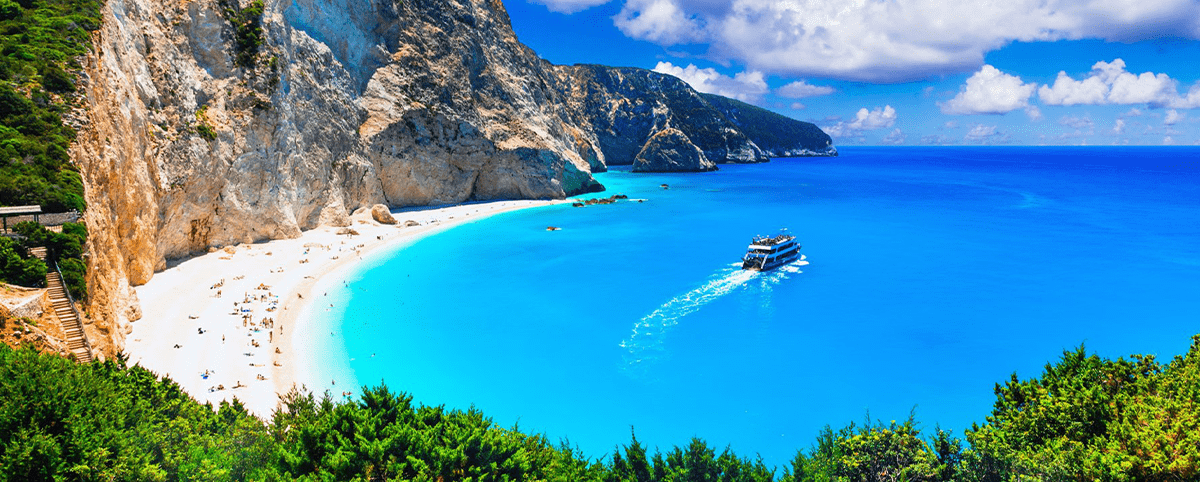
PORTO KATSIKI & EGREMNI

One of the most popular beaches in lefkada and maybe in Ionian islands as well. Famous for its crystal clear water and the sugar-white sand is a paradise on earth. During our Zante Cruise we visit the am amazing sandy beaches in the Ionian, Porto Katsiki and Egremni, for a breathtaking swimming stop in its crystal clear turquoise waters.

SCORPIOS-SPARTI-KASTRI

It is definitely worth visiting the three famous islands of Onassis, a Greek worldwide famous ship owner and stop for a relaxing afternoon swim on the private beach of Scorpios. All 3 islands are opposite of Nidri village and can be reached only by boat. During our Zante cruise we sail around the Skoprios island, while our captain describes the small history behind these legendary little islands.

MEGANISI

Meganissi island is just next to Lefkada, where daily ferries depart from Nidri village on a 30 minutes ferry ride. However Meganissi apart from the breathtaking secluded beaches that someone can find while sailing around it, is famous for the Cave of Papanikolis located on the western side of Meganisi. This popular cave is known to be used from Captain Latridis as a hiding place for his submarine, during the world war 2. Papanikolis case is also included on our Zante cruise, where we offer a swim stop and lunch on board to our guests.

KEFALONIA

Kefalonia is one of the most popular islands in the Ionian islands. Rent a boat at Lefkada and you will be able to explore the unforgettable is going to be our visit at Fiskardo, which is well known as the diamond of the Ionian islands. Fiskardo is situated at the northern part of the island. It is the only Kefalonian village that was not demolished by the catastrophic earthquake of 1953. FIskardo is an integral part of our Zante cruise itinerary where we arrive usually late afternoon and have spare time to explore it and enjoy a dinner at a local tavern .

ITHACA

The natural coves and bays, it’s authentic tradition ,the spectacular landscape, the gentleness and affectionate behaviour of its citizens, is what will make your holidays to Odysseys’ island a truly memorable discovery. Stop for meal, coffee and free time. Ithaka is an integral part of our Zante cruise itinerary where we arrive usually late afternoon and have spare time to explore it and enjoy a dinner at a local tavern.


MADOURI

The little island is a part of Greek important history, as the famous poet Aristotelis Valaoritis was born and raised at Madouri island. His great-grandchildren Manos Valaoritis and Eleni Karapanayioti inherited Madouri. Madouri island is accessible only by boat and is located opposite from Lefkada, just 30 minutes cruise away.

To sum up explore Lefkada by boat and its near by gems is the best way to do so. If you are a group and looking to hire a boat as private you can chech our gulet fleet ( Click Here) or if you are a smaller group of friends, families or couples you can join our scheduled cruises from Zakynthos that include Lefkada on the itinerary. For any furthe info email us : info@sail-ingreece.com

Paros

Multi Day sailing cruises in Paros

Discover the Greek paradise on a 8 day cruise starting from Mykonos but cruising around the entire island of Paros. Given the perfect location of Paros in the centre of the Cyclades, you have the ability to visit and experience the nearby beaches and coves.

Sail in Greece is proud to announce our Mykonos Cruise Experiences! With Sail in Greece we offer a vast range of multi day cruises from Athens and a number of popular islands throughout Greece, such as Corfu, Zante, Mykonos and introduce for the first time the idea of gulet holidays in Greece! Our handpicked selected cruising routes allow you to cruise for 7 days in total (returning to your starting point) and experience multiple islands on the way such as Paros, Naxos, Ios, Koufonisia and Mykonos. It is a brand new way to island hop around Paros! Check here our Mykonos Cruise & the rest of our 8 day Gulet Greece cruises.

Paros Boat Tour

A Paros boat tour offers you a unique trip of a lifetime which consists anchoring in private bays, pristine coves, or as a direct means of transportation to island hop around the Greek islands. Dive into the magical Aegean waters by using our snorkelling masks offered on board, or just sunbath on deck and feel the summer sun and breeze, while enjoying our freshly prepared home made meals on board by your dedicated chef, as well as delicacies and drinks served throughout your cruise with us.

Regular Departures

The Paros boat tour is part of our Mykonos cruise typically start and finish from marina Tourlos on a Saturday basis. Our regular Mykonos cruises include your own private gulet with crew, all fuel and taxes, coffee, soft drinks and daily meals. Not included are additional drinks, or transfers to and from the port all of which can be easily arranged by letting us know you specific requirements. Of course there is available a large variety of gulets on our fleet if you are interested to rent a boat as private. Browse here our gulets

Luxury Gulet Cruises

In addition to our ordinary Paros boat tours we are delighted to offer the finest of luxury gulet cruises custom made to fit your needs. Our luxury gulet cruises are available on an exclusive variety of gulets and come with crew to make sure your every need is catered to! Our luxury gulet cruises may include any preferred route and can be one or more days depending on your schedule and needs.
The only thing you have to do is to inform us about your requirements and we will be happy to help make your dream paros boat tour to the Greek islands a memorable one!

Wedding / Honeymoon Cruises

We are delighted to also offer exclusive gulet charter arrangements for special circumstances such as weddings or honeymoons. From a private boat tour just for the married couple to full crewed multi-day cruise  for the entire wedding group we are delighted to make your special event just so… special!

Contact us with your preferences and we will revert to you with multiple proposals. Email : info@sail-ingreece.com or +30 2112152595

Kos

7 day sailing cruises in Kos

Sail in Greece is proud to announce a Dodecanese Sailing cruise! With our Kos cruise we offer a 7 day cruise in order to explore Kos and a number of popular islands throughout Dodecanese and launch for the first time the idea of a 7 day cruise from Kos! Our handpicked cruising routes allow you to cruise for 7 days in total while enjoying your private en-suite fully air-conditioned cabin. It is a entire new way to island hop in Greece and in particular around Dodecanese islands!

But is kos boat trip the best way to explore Kos island?

Kos is a large scale island (the 3rd largest in Greece) with a variety of things to do and see. Cruising around Kos is a the perfect way to spend your valued days of your Greek island holiday in a way you will have never done before! Depart from the main Kos Marina, cruise to a secluded private beach or bay where you can sunbath or swim and explore Kos island and then have a home made cooked lunch on board from our private chef or walk to a traditional island taverna for a dinner. Our 8 day cruises from Kos island typically include cruising at private capes and beaches along the Kos coast, a visit in the nearby island of Pserimos and obviously many more Dodecanessae islands such as Symi, Tylos, to name but a few. Pserimos is picturesque small island with a population of just a few hundred inhabitants. It is an off-the-beaten path island, much preserved from the main tourism buzz of Kos with a dazzling main town with a few restaurants and of course a number of romantic beaches to experience and swim at! As unique attribute, Pserimos is one of the very few Greek islands closed off to auto-mobile traffic (a few service vehicles for local residents the only exception). Another popular attraction that you will visit while on a Kos boat trip, is Kos exploring the island itself, cruising the spacious bay of Kos and visiting beaches and off the beaten path destinations while cruising down the coast. Jump of the boat and snorkel wherever you like, and if you are lucky enough you might see a flock of pink flamingos relaxing on the salt flats!

Regular Departures
Our 8 day cruises normally start and finish from Kos Marina, leaving on Saturdays. Our regular Kos cruise include your private own gulet with crew, all fuel and taxes, coffee, soft drinks, snacks and daily prepared meals from our chef. Not included are additional drinks, transfers to and from the port all of which can be easily arranged by letting us know you specific requirements.

Luxury Cruises

In addition to our ordinary cruises we are proud to offer the finest of gulet cruises custom made to fit your personal taste. Our luxury gulet cruises are available on an exclusive selection of gulets, where the crew will make sure your every need is catered to! Our luxury cruises may include any desired itinerary and can be one or more days depending on your schedule and needs.
Just let us know your requirements and we will be pleased to help make your dream trip to the Greek islands one to never forget!
You can browse here our gulet fleet from Kos ( Click Here)

Wedding / Honeymoon Cruises

We are delighted to also offer exclusive charter gulets for special conditions such as weddings or honeymoons. From a private cruise just for the happy couple to full fledged multi day cruises for the entire wedding party we are happy to make your special occasion just that… special!

Check here our gulet fleet available for private charter Click Here
Browse our shared gulet cruises around Greece here

Rhodes

TRAVEL GUIDE RHODES

Rhodes island is located in the western part of Greece, member of the group of Dodecanese islands, which has many spectacular beaches and sandy bays. The island offers to its visitors a vast collection of Rhodes coves with multiple amenities, including lodges, local taverns, nightlife and watersports clubs. All beaches in Rhodes have turquoise waters and they are breathtaking in natural beauty. If we had to vote the best Rhodes beaches would be Tsambika, Saint Paul’s cove, Ladiko, Kallithea, and many others. There are plenty of beaches and near by islands that hire a boat in Rhodes the best way to explore her. See below few must visit destinations by boat

Anthony Quinn Bay

The Anthony quinn bay, kallithea and traganou bay. Visit the most breathtaking bays of Rhodes in one day by boat. Enjoy a swim stop in  the light blue waters of Anthony Quinn, Kallithea and Traganou bays, or take a free full day simply sunbathing and watching the landscape.  You can have a look on our gulet fleet ( Click Here) and charter one of our yachts for your Rhodes cruise.

Cruise to Symi

Enjoy a full day cruise to Symi – a little vintage traditional island near Rhodes. As you reach the natural curved port of Symi, you will be dazzled by this amazing island. One of the most breathtaking islands of the Dodecanese, Symi is a natural treat with its colorful structures and imposing chapels. Lively Gialos, theport area, is very small and cozy but lined up with little coffe shops, fish and seafood taerns, sponge and spice stalls. For shopping maniacs, there are traditional handmade jewelry, apparel and present shops. On the way to Symi it is worth to visit the Sain George]s bay, claimed to be  one of the most beautiful beach all around the world. Jump in its emerald light blue waters or relax on the boat to enjoy its wild visual surroundings. To hire a boat in Rhodes is a the best way to explore Symi and its amazing coastline surroundings.

Visit Chalki Island

Enjoy a full day cruise visit to Chalki island – a unique Greek island paradise with cozy little colorful houses. Well knows as a little sister of Symi it actually resembles the world wide popular architecture of Symi Island. Maybe a little bit less maintained, but much more wild and authentic, and very much beloved by the Greeks. The port area is kinda tiny but lively with little cafes and restaurants. Every single place can be accessed by walking distance. The breathtaking beach of Agia Thekla should not be missed as well! We highly suggest to  have around a full free day to explore Chalki, enjoy a Greek traditional lunch on shore or coffee, and to swim at one of the most beautiful beaches in Dodecanese!

To sum up, there are many reasons why to hire a boat from Rhodes is the best way to explore her and the neighbouring islands such as Chalki and Symi. You can browse on our fully owned gulet fleet and enjoy your gulet holidays around Rhodes. If you have any questions you can always email us : info@sail-ingreece.com