Sailing vs. Cruises: A Comparison Of Freedom, Experience, And Navigation
When considering a vacation on the water, most travelers fall into two camps: those drawn to the vast independence of sailing and those who prefer the structured luxury of cruises. While both offer unforgettable maritime experiences, the way they deliver adventure, freedom, and connection with the sea couldn’t be more different.
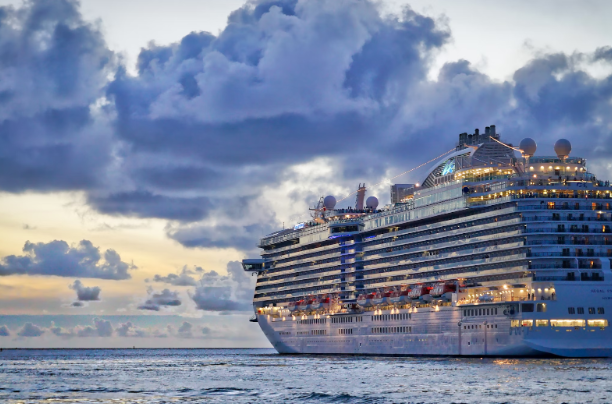
Photo by Peter Hansen on Unsplash
We will compare sailing and cruises across three key pillars—freedom, experience, and navigation—offering clarity for anyone torn between hoisting the sails or boarding a megaship in 2025.
Cruising vs. Sailing On A River: Two Routes To Tranquility
One of the key factors is finding freedom on the water, since that’s probably the reason why you embarked on the whole adventure. Let’s look at what sailing and cruises offer when the setting is a winding river rather than the open sea.
River Cruises: Guided Comfort and Cultural Depth
River cruises offer an entirely different experience, blending guided exploration with the comfort of full-service hospitality. These vessels are long, low, and designed for the intimacy of inland travel. Cruises along the Danube, Rhine, Mekong, or Mississippi deliver structured routes that maximize sightseeing, often including onboard historians or local experts to enhance your understanding of each region.
Nowhere is this more evident than in the heart of Europe, where Danube and Rhine itineraries wind through a tapestry of historic cities, vineyards, and castles—bringing centuries of culture directly to your cabin door.
Freedom on a river cruise is limited in terms of navigation—but expansive in cultural and culinary offerings. You won’t be steering or making course decisions, but you will have access to tailored excursions, wine tastings, and local performances right from the gangway.
Everything is pre-arranged: mooring permissions, dining, entertainment, and ground transportation. It’s freedom from planning, not freedom of movement.
River Sailing: Quiet Waterways and Immersive Routes
Sailing on a river introduces a deeply tranquil, scenic, and close-to-the-land experience. Unlike ocean sailing, where you’re at the mercy of changing tides and open water, rivers offer calm conditions and an ever-present shoreline.
You’ll typically sail smaller vessels such as sloops or traditional houseboats that can navigate narrower channels and shallower waters. This environment is perfect for slow-paced exploration, where you can dock in remote hamlets or unmarked countryside spots at will.
Personal freedom is enhanced by the absence of waves and harsh winds, making river sailing ideal for those newer to the helm. You still get the benefit of flexibility—changing course, stopping spontaneously, or anchoring near a vineyard or river café.
Depending on the country, some rivers require licenses, awareness of lock systems, or knowledge of inland waterway regulations. Popular destinations like the Loire Valley in France or the Douro in Portugal offer rich cultural immersion with manageable sailing conditions.
Experience Aboard And Ashore
We’ll now dive deer (no pun intended) into the aboard and ashore experiences.
Sailing: Intimate, Authentic, and Immersive
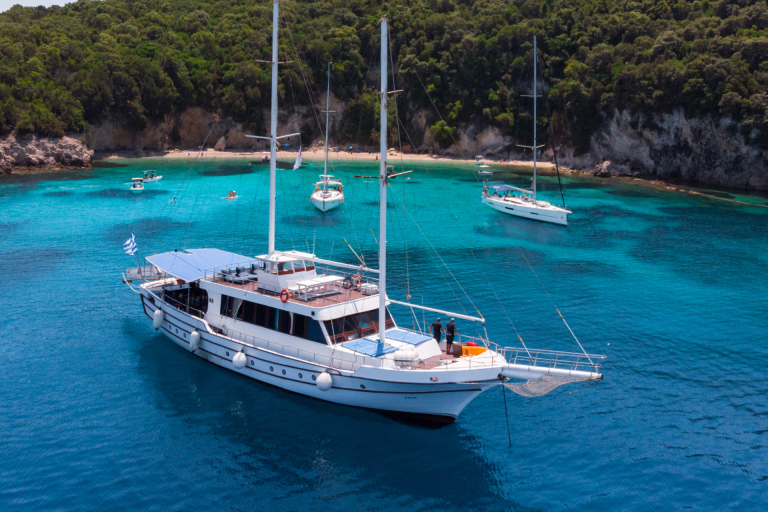
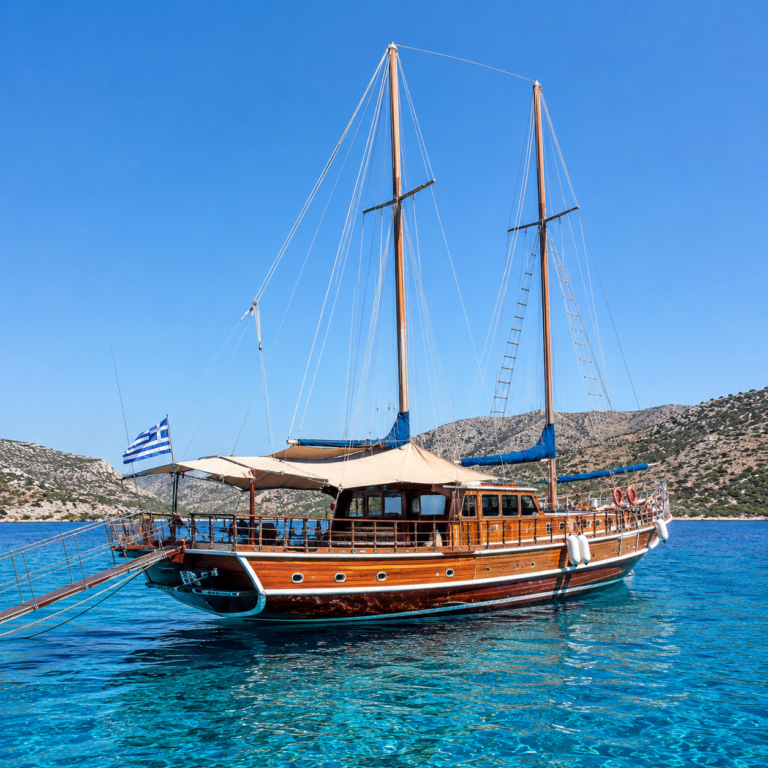
Sailing delivers an immersive connection to nature, culture, and maritime life. With only a handful of passengers—sometimes just your own party—you’ll experience a level of intimacy unavailable on cruise liners. You can feel the wind shift, hear the water slap against the hull, and respond to the rhythm of the sea.
Onshore, sailors can explore locations that cruise ships overlook. These often include tiny fishing villages, lesser-known islands, or local tavernas with no tourism infrastructure. Instead of herding off a ship with hundreds of others, you drop anchor at your own pace and discover places on your terms. Destinations like the Grenadines, Sporades, or Croatia’s Kornati archipelago are best seen this way.
Accommodations, while smaller, are more personal. You sleep under the stars or in cozy cabins, wake with the sunrise, and prepare your own meals—or enjoy local cuisine ashore. The experience is less about luxury and more about connection, both with your travel group and with nature.
Cruises: Luxury, Entertainment, and Social Atmosphere
Cruise ships offer floating resorts with 5-star amenities—think spas, casinos, cinemas, fitness centers, themed bars, and fine dining restaurants. From couples to families with young children, there’s something for everyone. The scale of entertainment onboard is unmatched, with Broadway musicals, cooking classes, lectures, and high-end shopping often included.
Ashore, shore excursions cater to mass tourism. Tours are pre-arranged and fast-paced, taking passengers to the most popular attractions. While efficient, these outings often lack the depth or authenticity of independent exploration. You’re unlikely to stumble upon a hidden café or forge personal connections with locals in a 3-hour organized tour.
Still, the cruise experience excels in scale and variety. You might visit five countries in a week without unpacking once. The convenience, variety of dining options, and access to onboard medical care make cruises particularly appealing for multigenerational groups or those seeking all-inclusive ease.

Photo by Artem Verbo on Unsplash
Navigation and Seamanship
Here’s where the big differences come, but only if you want to sail without a captain. We’ll delve into this below.
Sailing: Hands-On Skill and Navigational Mastery
Navigation is central to the sailing experience, whether you’re managing a catamaran in the Caribbean or a monohull in the Mediterranean. GPS, nautical charts, VHF radios, and weather routing all play critical roles, and sailors must know how to interpret wind direction, read currents, and respond to mechanical issues.
Even when hiring a skipper, passengers are often encouraged to participate—learning to hoist sails, tie knots, or steer under sail power. This engagement builds seamanship and offers a rewarding challenge. Courses like the Royal Yachting Association (RYA) Day Skipper or the American Sailing Association’s 104 course are popular among novices looking to gain competence before setting out.
Cruises: Passive Transport and Global Scale
Navigation aboard cruise ships is a professional endeavor handled entirely by licensed captains, marine engineers, and high-tech equipment. Modern cruise liners are marvels of maritime engineering, capable of covering thousands of nautical miles with remarkable precision. These vessels follow international maritime protocols, utilize satellite navigation, and chart weather patterns far in advance.
Passengers are largely unaware of the navigational complexity occurring behind the scenes. This hands-off experience suits travelers who prefer not to think about the mechanics of movement. While you won’t learn to sail or read the stars, you’ll enjoy a seamless transit between ports while sipping champagne on the sun deck.

Photo by Ludomił Sawicki on Unsplash
Endnote – Which Is Right For You?
Choosing between sailing and cruises often comes down to your appetite for exploration versus indulgence, but emerging hybrid experiences—like small expedition yachts or eco-luxury catamarans—now blur the line between both.
These innovative options offer curated itineraries with room for spontaneity, appealing to adventurers and comfort-seekers alike. As travel trends evolve in 2025, the smartest choice might be one that blends freedom and luxury rather than forcing you to pick a side.
Check out more Sail in Greece blogs here