En 2026, Grecia estableció un límite diario de 8.000 visitantes en Santorini e impuso restricciones estrictas a la llegada de megacruceros a Miconos. Para los viajeros que deseen conocer estas islas emblemáticas de forma auténtica —sin tener que hacer cola durante tres horas para ver el atardecer—, la solución es llegar en un velero privado. Un crucero en goleta permite fondear en las mismas bahías que los superyates, visitar islas a las que nunca llegan los ferris comerciales y vivir la experiencia de Grecia tal como era hace 30 años. Guía oficial de viajes de Grecia.
Por qué Grecia limita el número de visitantes en 2026
Durante años, el auge turístico de Grecia pareció una historia de éxito rotundo. Las cifras de visitantes aumentaban cada temporada, la ocupación hotelera alcanzaba máximos históricos y las islas, que antaño eran tranquilas comunidades pesqueras, se transformaron en marcas turísticas de alcance mundial. Sin embargo, a mediados de la década de 2020, la presión sobre las infraestructuras, el suministro de agua y la vida local se había vuelto imposible de ignorar.
Santorini, en particular, se convirtió en el ejemplo emblemático del turismo masivo. En los días de mayor afluencia del verano, más de 17.000 pasajeros de cruceros desembarcaban en una isla con una población permanente de unos 15.000 habitantes. A media mañana, las calles de Oia y Fira se transformaban en lentos atascos humanos, y para los famosos miradores desde donde contemplar el atardecer sobre la caldera era necesario llegar con horas de antelación tan solo para encontrar un sitio donde estar de pie.
In response, Greek authorities introduced a daily cap of 8,000 cruise visitors to Santorini in 2026, alongside new restrictions on the number of mega-ships permitted to dock in Mykonos on any given day. Local municipalities have also tightened rules around short-term rentals, beach club expansion, and vehicle access in historic centres. The goal isn’t to discourage tourism altogether – Greece’s economy depends heavily on it – but to protect the character of the islands and the quality of life for residents, while making the visitor experience more sustainable in the long run.
Para los viajeros independientes, este cambio plantea una nueva realidad. Llegar en temporada alta sin un plan implica ahora competir por una oferta cada vez más reducida de plazas disponibles para quienes no tienen reserva, especialmente en aquellas islas que gozan de gran fama. Las islas en sí no han perdido su belleza; de hecho, las limitaciones de acceso contribuyen a preservar aquello que las hace únicas. Sin embargo, la forma en que la gente accede a ellas debe cambiar.
El problema de visitar Santorini y Miconos en 2026
A pesar de las restricciones en el número de visitantes, Santorini y Miconos siguen siendo, durante la temporada alta, dos de los tramos de costa más concurridos del Mediterráneo. Dichas limitaciones restringen la llegada de cruceros, pero apenas reducen el enorme volumen de personas que ya se alojan en las islas en hoteles, feris y alquileres de corta estancia.
Los problemas prácticos para los viajeros no han desaparecido; simplemente han cambiado de forma:
- Espontaneidad limitada. Debido a los límites diarios de llegadas, es necesario reservar con mucha antelación las excursiones populares, los paseos en barco e incluso las mesas en los restaurantes. Llegar al destino y decidir los planes sobre la marcha es una opción mucho menos viable que en el pasado.
- Concentración de multitudes en un espacio reducido. Santorini es una isla pequeña. Incluso con un tope de 8.000 llegadas diarias, sumadas a los huéspedes que ya se alojan en los hoteles, se forman aglomeraciones densas en los pueblos de la caldera, en las pocas playas populares y en los miradores desde donde todos fotografían el atardecer.
- Precios al alza. La oferta limitada frente a una fuerte demanda hace subir los precios, tanto del alojamiento y las excursiones como de cosas tan sencillas como una mesa para cenar con vistas.
- Una experiencia homogeneizada. Gran parte de lo que los visitantes ven hoy en Santorini y Miconos gira en torno al propio turismo —tiendas de recuerdos, piscinas infinitas y cafeterías diseñadas para Instagram—, en lugar de los pueblos pesqueros y puertos activos que estas islas fueron en otro tiempo.
Nada de esto significa que no valga la pena visitar Santorini y Miconos; sin duda, lo valen. Sin embargo, conocerlas exclusivamente desde tierra e intentar incluir ambas en un mismo itinerario terrestre implica, cada vez más, dedicar una parte considerable de las vacaciones a gestionar la logística en lugar de disfrutar de las islas.
Cómo unas vacaciones navegando lo cambian todo
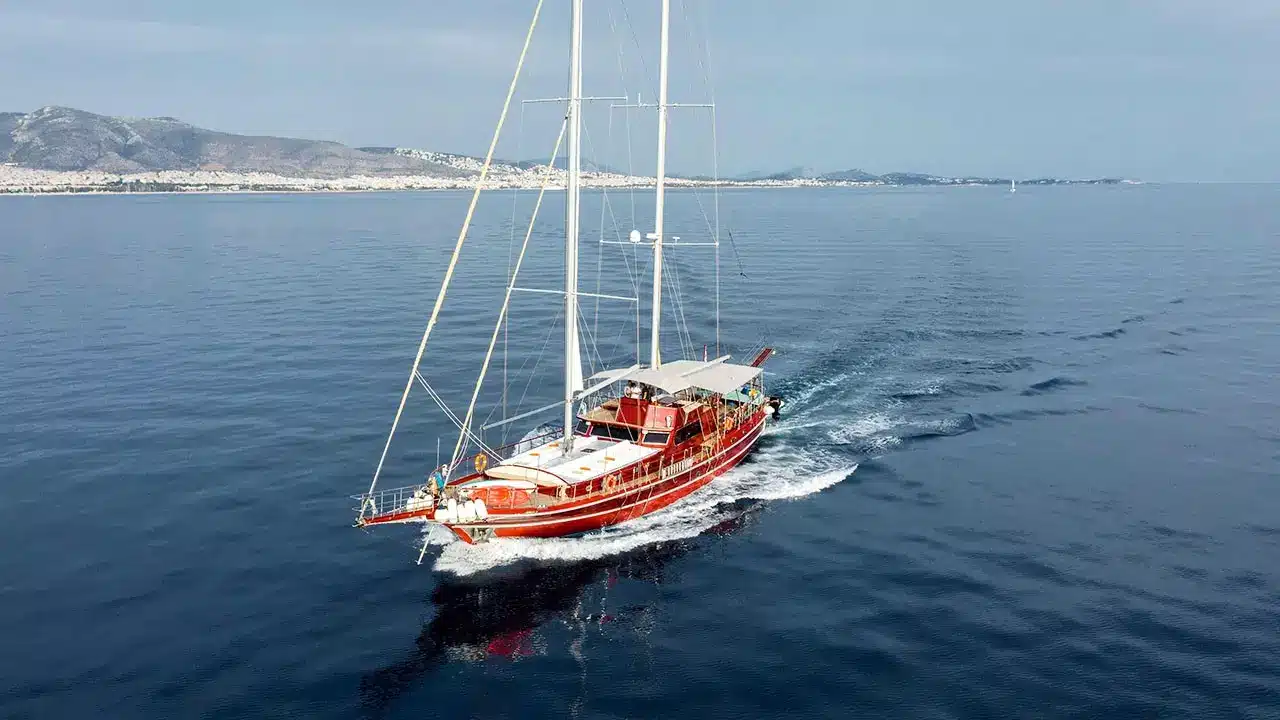
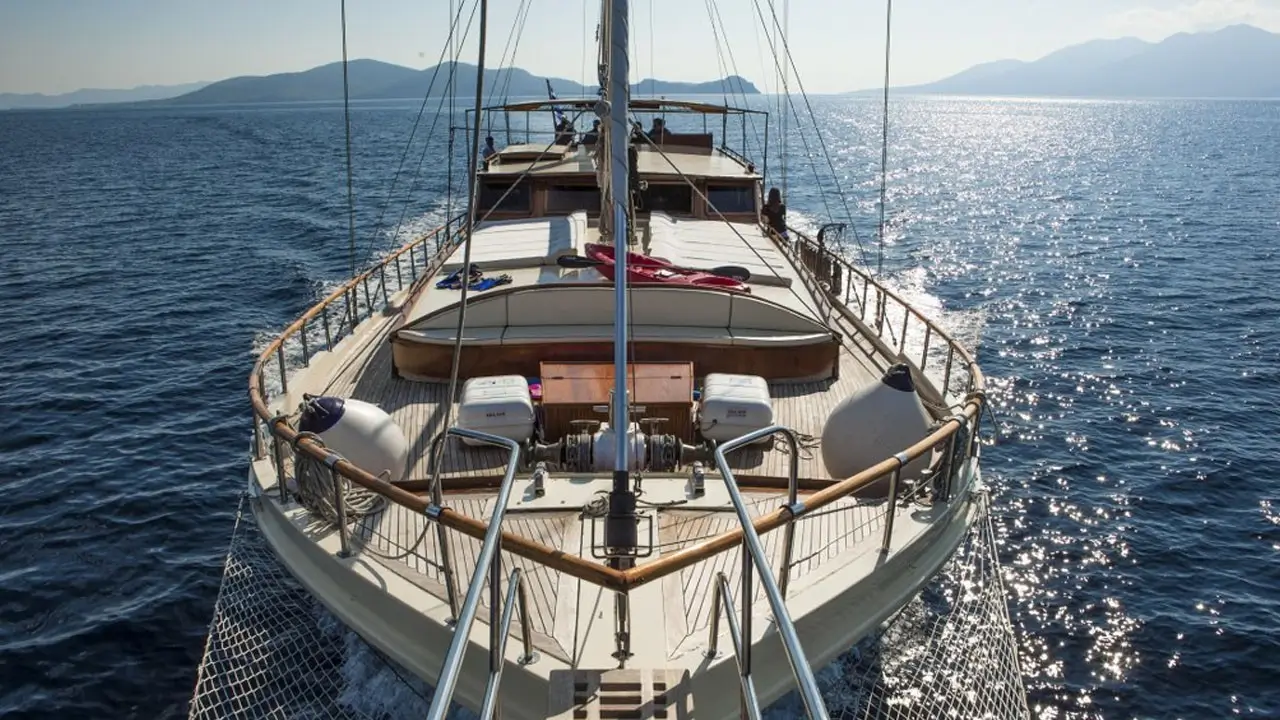
Un crucero en goleta resuelve el problema de las aglomeraciones de una manera que ninguna planificación terrestre, por ingeniosa que sea, puede lograr. En lugar de establecerse en una localidad y realizar excursiones de un día, usted lleva consigo su propio alojamiento: un velero tradicional de madera que navega entre islas y fondea en bahías y puertos inaccesibles para los circuitos en autobús y las multitudes de los grandes cruceros.
La diferencia radica en unas pocas ventajas clave:
Usted controla su propio itinerario. En lugar de depender de los horarios de los ferris o de las horas de salida de las excursiones, una goleta privada se desplaza al ritmo que marque su grupo. Si una bahía está muy concurrida, se navega hacia la siguiente; si encuentra un lugar hermoso y tranquilo, simplemente se queda allí más tiempo.
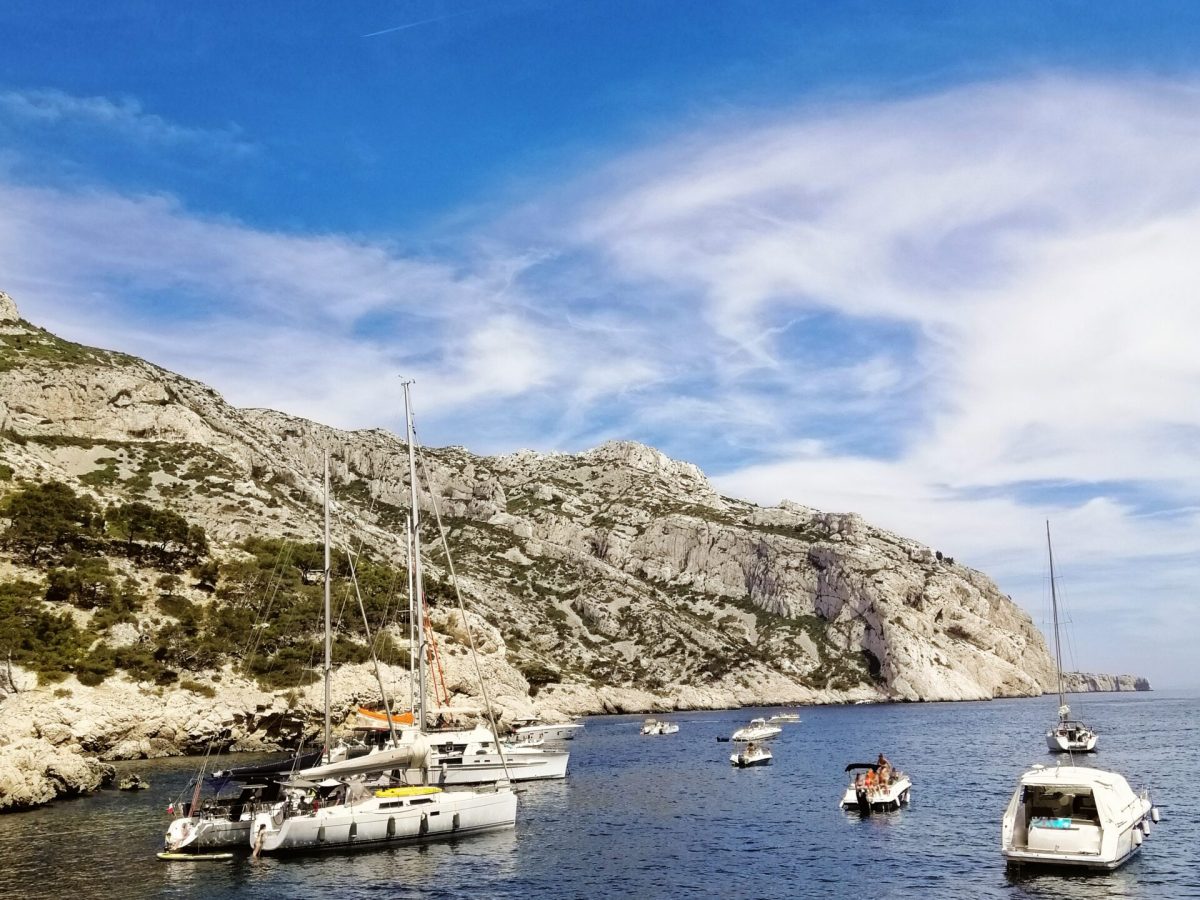
Puedes llegar a lugares a los que no van los ferris. Las rutas comerciales de ferris conectan los principales puertos porque es allí donde se concentra el mayor volumen de pasajeros. Innumerables islas pequeñas, calas recónditas y fondeaderos tranquilos del Egeo y el Jónico carecen de servicio de ferris —o este es muy escaso—, pero son fácilmente accesibles en velero.
Santorini y Miconos se perciben de otra manera. En lugar de llegar en ferry al puerto principal y unirse a las multitudes a pie, un itinerario a vela permite acercarse a estas islas por mar, fondear lejos del puerto principal y visitarlas en momentos del día en que los excursionistas ya se han marchado. Así, uno disfruta de las vistas de la caldera y de los pueblos de casas encaladas, sin tener que soportar la cola de tres horas para tomar una foto del atardecer.
Cada día ofrece un nuevo lugar de fondeo. En lugar de limitarse a una sola isla durante todo el viaje, un crucero de una semana suele visitar cinco o más islas, por lo que el problema de las aglomeraciones se dispersa en lugar de concentrarse. Si un sitio resulta estar más concurrido de lo previsto, es simplemente una parte de un recorrido más amplio, y no la totalidad de las vacaciones.
Así es como se sentía Grecia antaño. Mucho antes del turismo de masas, esta costa se recorría en barco: pescadores, comerciantes y los primeros viajeros se desplazaban por mar entre las islas. Un crucero en goleta te reconecta con ese ritmo de otros tiempos: nadar en aguas cristalinas directamente desde la cubierta, degustar pescado fresco en pequeñas tabernas portuarias y despertar cada día en un lugar nuevo.
5 islas griegas a las que solo se puede llegar en barco
Más allá de los nombres más conocidos, Grecia cuenta con miles de islas e islotes, y muchas de las más hermosas son prácticamente accesibles solo en barco privado. Aquí presentamos cinco que vale la pena visitar durante una travesía a vela.
1. Polyaigos
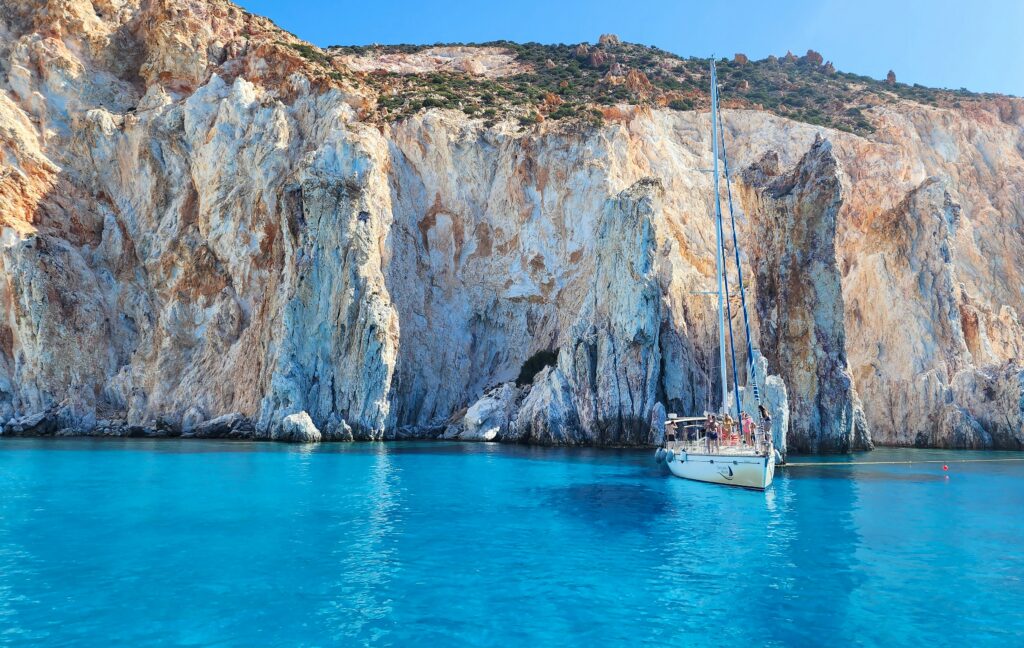
Deshabitada y prácticamente virgen, esta pequeña isla cercana a Milos carece de servicio de ferry y de población permanente; solo cuenta con acantilados espectaculares, cuevas marinas y aguas turquesas que pocos viajeros llegan a ver.
2. Calas escondidas de Koufonisia
Aunque el pueblo principal de Koufonisia cuenta con servicio de ferry, los mejores lugares para bañarse de la isla —pequeñas calas con formaciones rocosas esculpidas y aguas de una claridad increíble— se encuentran a lo largo de una costa a la que resulta mucho más fácil llegar en barco que a pie.
3. Marathi
Marathi, un diminuto islote del Dodecaneso con un puñado de habitantes y un par de tabernas familiares, es el tipo de lugar donde una goleta puede fondear para almorzar sin que apenas se vea a otro visitante.
4. Paximada
Situado frente a la costa de Creta, este islote rocoso carece por completo de infraestructura, pero es un refugio para la fauna y un lugar impresionante y tranquilo para nadar y practicar esnórquel.
5. Sikinos
A menudo eclipsada por su vecina Santorini, Sikinos cuenta con conexiones de ferry limitadas, un ritmo de vida más pausado y ruinas bizantinas donde apenas se ven otros turistas.
Estas son las paradas que transforman unas vacaciones en una isla griega: no para reemplazar los lugares emblemáticos, sino para añadir el contraste de un aislamiento auténtico junto a ellos.
Nuestras rutas de navegación por Grecia lejos de las multitudes
En AtSail in Greece, nuestros cruceros se diseñan precisamente bajo esta premisa: combinar las islas que los viajeros vienen a conocer con fondeaderos más tranquilos, accesibles únicamente para una goleta privada.
Nuestros cruceros por el Jónico exploran la vertiente más serena y verde de Grecia —lugares como Cefalonia, Ítaca y Zante—, donde las colinas cubiertas de pinos se funden con bahías de aguas turquesas y el ritmo de vida isleño se percibe notablemente más pausado que en el Egeo.
Nuestros cruceros por Zante se centran en las playas y cuevas marinas de la isla y sus islotes circundantes, incluyendo rincones prácticamente inaccesibles por tierra —lejos de las aglomeraciones de los clubes de playa— y a los que solo se puede llegar por mar.
Nuestros cruceros por Rodas combinan el casco antiguo medieval de Rodas con una cadena de islas del Dodecaneso y calas escondidas que la mayoría de los viajeros nunca llegan a conocer.
Para quienes buscan un ambiente social más animado, nuestros cruceros para jóvenes de 18 a 39 años y los cruceros por Miconos combinan la emoción de las paradas con vida nocturna y abundantes oportunidades para nadar y fondear en lugares más tranquilos; así disfrutarás de la fiesta sin pasar todo el viaje entre multitudes.
Nuestros cruceros Harmony logran un equilibrio entre turismo, relajación y un toque de vida nocturna, lo que los hace ideales para grupos con intereses diversos.
Y para los viajeros que buscan total flexibilidad, nuestras experiencias en yate permiten alquilar la embarcación en privado y diseñar el itinerario completo, incluyendo qué puertos concurridos evitar por completo.
Cada itinerario se organiza en torno a una flota de goletas tradicionales de madera —que abarca desde embarcaciones estándar más pequeñas para grupos reducidos hasta lujosos barcos de mayor tamaño para grupos más grandes—, lo que permite adaptar la experiencia al tamaño del grupo y al estilo de viaje que usted busca.
Consejos prácticos para evitar las multitudes en 2026
Si estás planeando un viaje a las islas griegas este año, unos cuantos ajustes prácticos pueden marcar una diferencia significativa en cuanto a la sensación de aglomeración que percibas durante tu experiencia.
Reserve con bastante antelación, especialmente para los meses de julio y agosto. Debido a los límites de visitantes establecidos en las islas más concurridas, la disponibilidad de alojamiento, excursiones y alquiler de embarcaciones es más limitada que en años anteriores. Reservar con tiempo no es solo una cuestión de precio, sino de asegurarse una plaza.
Considere la temporada intermedia. Finales de mayo, junio y septiembre ofrecen un clima cálido y mares más tranquilos, con una fracción del número de visitantes que recibe la temporada alta de verano. Muchas rutas de navegación resultan igual de agradables —o incluso más— fuera del pico de julio y agosto.
Visita islas famosas por mar, no en ferry. Llegar a Santorini o Miconos en barco privado y fondear lejos del puerto principal permite evitar gran parte del cuello de botella en el desembarque que sufren los pasajeros de ferris y cruceros.
Prioriza el tiempo en el mar sobre el tiempo en tierra firme. Los momentos más memorables de un viaje a las islas griegas suelen ser nadar en una bahía tranquila o contemplar el atardecer desde la cubierta de un barco, no estar rodeado de multitudes. Organiza tu itinerario en torno a estas experiencias en lugar de limitarte a tachar pueblos de una lista.
Elija una embarcación más pequeña y un grupo reducido si desea mayor flexibilidad. Los grupos de chárter más grandes a veces necesitan planificar con mayor antelación los fondeaderos y las reservas para cenar, mientras que los grupos más pequeños pueden ser más espontáneos.
Viaja ligero y con criterio. El espacio en una goleta es más limitado que en una habitación de hotel. Una bolsa flexible, protector solar respetuoso con los arrecifes y ropa de baño de secado rápido te resultarán mucho más prácticos que una maleta rígida llena de ropa de estilo vacacional.
Consulta a tu operador sobre las restricciones actuales de aforo para visitantes. Las normas pueden cambiar a lo largo de la temporada, y un operador local experimentado sabrá qué fondeaderos y puertos son los más tranquilos en una semana determinada.
Preguntas frecuentes
¿Significan los límites de visitantes previstos para 2026 que no podré visitar Santorini o Miconos este año? No. Dichos límites restringen el número de pasajeros de cruceros autorizados a desembarcar cada día, pero no impiden la visita de viajeros independientes, incluidos aquellos que llegan en velero privado. Reservar con antelación y elegir horarios de llegada menos concurridos le permitirá disfrutar de pleno acceso a ambas islas.
¿Es adecuado un crucero en goleta para personas sin experiencia en navegación? Sí. Las goletas cuentan con un capitán y una tripulación experimentados que se encargan de toda la navegación y las maniobras; de este modo, los huéspedes pueden simplemente relajarse, nadar y disfrutar del itinerario sin necesidad de tener experiencia previa en navegación.
¿Cuántas islas se suelen visitar en un crucero de una semana? La mayoría de los itinerarios de una semana incluyen escalas en entre cinco y siete islas y fondeaderos, combinando destinos famosos con bahías y pueblos más tranquilos a los que no llegan los servicios regulares de ferry.
¿Cuál es el mejor momento para reservar unas vacaciones a vela por Grecia en 2026 y evitar las aglomeraciones? Finales de mayo, junio y septiembre suelen ofrecer el mejor equilibrio entre buen tiempo y menor afluencia de visitantes, aunque julio y agosto siguen siendo opciones populares para quienes no les importa reservar con mayor antelación para asegurar la disponibilidad.